 Sentinel Alcohol Detox
Harris House Foundation
14.5 mi, Saint Charles2706 South River Road, Saint Charles, MO, 63303
Active
- Residential
- Detox
- Medication-assisted treatment
- Private insurance
City
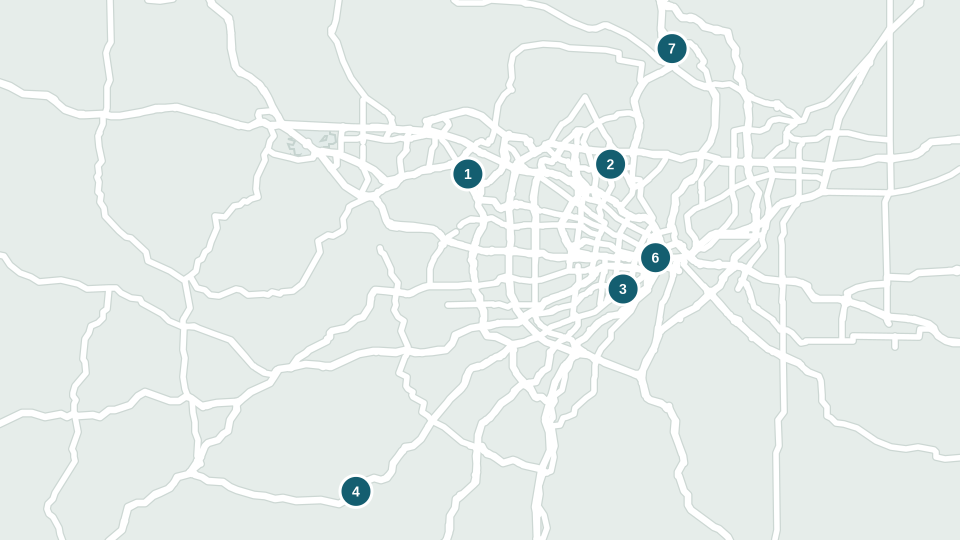
No listed facilities are in Lake St. Louis. The nearest listed facility is 14.5 miles from Lake St. Louis. Compare the facilities near Lake St. Louis below; distances are straight-line estimates.
This number connects to our central helpline, not directly to a listed facility.
When you are ready to stop drinking and need medically managed withdrawal, the first step is typically a medical evaluation to assess your health and the severity of your withdrawal risk. This evaluation helps the program decide the level of supervision and any medication you may need as your body adjusts. Many programs offer a calm, structured setting where staff monitor your vital signs and manage symptoms.
Your first day usually involves an intake interview, a physical exam, and a discussion of your history with alcohol. From there, the care team will create a plan that may include medication to ease cravings or withdrawal symptoms. Some programs also provide counseling and links to ongoing care after detox.

Detoxification is the process of getting alcohol out of your system safely. Because withdrawal can be dangerous, it should happen under medical supervision. Residential care is a longer-term, live-in program.
It treats the whole person, not just the physical symptoms. Outpatient care is part-time. You receive counseling and support while continuing your daily life.
Here is one way to think about it: If you wake up shaky and need a drink to function, start with detox. If you have tried quitting on your own but always go back within a week, consider residential. If you have been sober for a few days and need continued structure without leaving your job, look for outpatient.
What are your staff credentials? Is there a physician, psychiatrist, or addiction specialist on staff? How often will I meet with a counselor individually?
Do you offer family involvement or support groups? Can you prescribe medications like naltrexone or acamprosate for long-term recovery?
Payment for alcohol detox in Missouri can be arranged through several common methods. Private insurance is frequently used, but coverage varies, so contacting your insurer to verify what is included is essential. Public programs like Medicaid may assist eligible residents; however, you must confirm your eligibility with the specific facility.
Additionally, sliding-scale fees are often available to make treatment more affordable based on your income, and self-pay remains a straightforward option for those who choose to cover costs themselves.
Reach our free, confidential helpline any time, day or night.
A short conversation helps match you with the right level of care.
If needed, withdrawal is managed safely under medical supervision.
You leave with a clear plan for ongoing treatment and support.
Start with practical barriers. Does the program take your insurance? What is the wait time to get in?
How far are you willing to travel? Then focus on clinical fit. Do they treat your specific substance use history?
Do they have experience with your age group or gender? Call several programs and trust your gut: do they sound organized and caring on the phone? Do they answer your questions fully?
When you are ready to stop drinking and need medically managed withdrawal, the first step is typically a medical evaluation to assess your health and the severity of your withdrawal risk.

Withdrawal seizures can occur within 6 to 48 hours after your last drink. If someone has a seizure, call 911 immediately. Do not put anything in their mouth.
Move furniture away to prevent injury. Once the seizure stops, get them checked by emergency doctors even if they seem fine. The risk of a second seizure or delirium is high.
If you or someone else is in immediate danger, call 911 now.
2706 South River Road, Saint Charles, MO, 63303
Active
10208 West Florissant Avenue, Saint Louis, MO, 63136
Active
4066 Dunnica Avenue, Saint Louis, MO, 63116
Active
8350 State Route 30, Dittmer, MO, 63023
Active
1430 Olive Street, Suite 300, Saint Louis, MO, 63103
Active
1430 Olive Street, Suite 100, Saint Louis, MO, 63103
Active
1 St Anthonys Way, Alton, IL, 62002
Active
These lists use only what the 7 active facilities listed for Lake St. Louis report to SAMHSA's FindTreatment.gov. No facility pays to be included or can ask to be moved. Reporting more options is not a measure of quality, outcomes or suitability for any person. A missing option means the facility did not report it to the source, not that it is not offered. Call the facility to confirm everything before relying on it.
How this list is made: each facility scores one point for each of these 5 levels of care (settings) it reports to SAMHSA's FindTreatment.gov (Residential (24-hour); Outpatient; Intensive outpatient; Partial hospitalization / day treatment; Hospital inpatient). A facility needs at least 3 to appear. Facilities are shown from the highest count to the lowest; facilities with the same count are in alphabetical order, which has no other meaning. Up to 10 are shown.
How this list is made: each facility scores one point for each of these 7 payment and cost-assistance options it reports to SAMHSA's FindTreatment.gov (Medicaid; Medicare; Private health insurance; Military insurance (TRICARE); Cash or self-payment; Sliding fee scale; Payment assistance). A facility needs at least 4 to appear. Facilities are shown from the highest count to the lowest; facilities with the same count are in alphabetical order, which has no other meaning. Up to 10 are shown.
How this list is made: each facility scores one point for each of these 4 medications used in treatment it reports to SAMHSA's FindTreatment.gov (Buprenorphine; Methadone; Naltrexone; Medication for alcohol use disorder). A facility needs at least 2 to appear. Facilities are shown from the highest count to the lowest; facilities with the same count are in alphabetical order, which has no other meaning. Up to 10 are shown.
How this list is made: each facility scores one point for each of these 12 age groups and client groups accepted it reports to SAMHSA's FindTreatment.gov (Adolescents; Young adults; Adults; Seniors; Pregnant or postpartum women; Adult women; Adult men; Veterans; Active duty military; Criminal justice clients; Clients who have experienced trauma; Co-occurring mental and substance use disorders). A facility needs at least 5 to appear. Facilities are shown from the highest count to the lowest; facilities with the same count are in alphabetical order, which has no other meaning. Up to 10 are shown.
Ask about the typical length of stay, whether the program has medical staff available 24 hours a day, what medications are used for withdrawal, and if they offer a plan for continuing care after detox. Also ask about costs and what insurance plans they work with.
Many detox centers accept walk-ins or self-referrals, but others may require a medical evaluation or referral. It is best to call the center directly to learn their admission process.
Not always, but many programs use medications to ease withdrawal. Benzodiazepines are common to prevent seizures. You may also receive vitamins like thiamine to prevent brain damage. Your medical evaluation will determine what you need.
Many do. The Affordable Care Act considers substance use treatment an essential health benefit. You will need to check with each program and your insurance provider about coverage. Some facilities also offer sliding-scale fees or payment plans.
No, you do not. Call while you are still drinking if you have concerns. The program staff will do a phone assessment and tell you if they can help. They may instruct you to keep drinking until you are admitted—stopping abruptly can be dangerous before medical supervision begins.
Last updated