 Sentinel Alcohol Detox
Harris House Foundation
10.5 mi, Saint Charles2706 South River Road, Saint Charles, MO, 63303
Active
- Residential
- Detox
- Medication-assisted treatment
- Private insurance
City
No listed facilities are in Dardenne Prairie. The nearest listed facility is 10.5 miles from Dardenne Prairie. Compare the facilities near Dardenne Prairie below; distances are straight-line estimates.
This number connects to our central helpline, not directly to a listed facility.
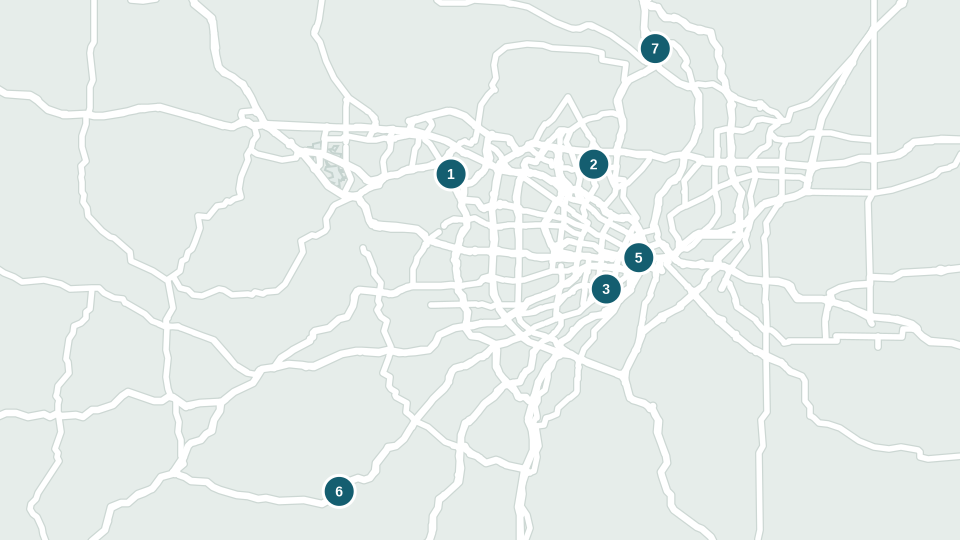
You or someone you care about may be looking for alcohol detox help in or near Dardenne Prairie. The first day of treatment usually begins with an assessment to understand your health history and goals. Call a program to ask what happens during an intake appointment and which services are available.

Think of detox as the medical stabilization phase. It is not the same as treatment. Once the alcohol is out of your system, you move on.
Residential care offers 24-hour support in a structured setting. It works well if you have tried outpatient before and struggled. Outpatient care can start right after detox or be used directly if your withdrawal risk is low.
The choice depends on your medical history, how much you drink, and whether you have people at home who support your recovery.
Ask: 'What happens after detox?' You want a concrete discharge plan, not just a suggestion. Also ask: 'Can family members be involved in my treatment?' If that matters to you, check their policy. Ask: 'How much unsupervised time do you allow during detox?' Facilities differ.
Some allow phone calls and visitors; others limit contact for medical reasons.
In Missouri, alcohol detox services are commonly paid for through private health insurance plans, which typically cover a portion of the treatment costs, though you should confirm specific coverage details with your insurer. Public coverage, such as Medicaid and Medicare, may be available for eligible individuals, but it is important to verify eligibility and coverage directly with the program or your benefits administrator. Many facilities offer sliding-scale fees based on your income, and self-pay options are widely available for those without insurance or who prefer to pay out of pocket.
Reach our free, confidential helpline any time, day or night.
A short conversation helps match you with the right level of care.
If needed, withdrawal is managed safely under medical supervision.
You leave with a clear plan for ongoing treatment and support.
Start with safety. Only consider programs that offer medically supervised detox if you drink heavily or have had withdrawal before. Then think about your personal situation.
Can you take time off work and family responsibilities for a residential stay? If not, look for intensive outpatient detox programs that meet daily in the morning or evening. Read the program's online materials or call them directly to see if you feel comfortable with their approach.
You or someone you care about may be looking for alcohol detox help in or near Dardenne Prairie.

You are in immediate danger if you are so confused you cannot stay awake or know where you are. You may need help breathing. Call 911.
If you have had a seizure or are seeing things that are not there, that is also a medical emergency. Do not drive yourself. Call for an ambulance.
Once you are medically stable, the hospital staff can connect you with an alcohol detox program.
If you or someone else is in immediate danger, call 911 now.
2706 South River Road, Saint Charles, MO, 63303
Active
10208 West Florissant Avenue, Saint Louis, MO, 63136
Active
4066 Dunnica Avenue, Saint Louis, MO, 63116
Active
1430 Olive Street, Suite 300, Saint Louis, MO, 63103
Active
1430 Olive Street, Suite 100, Saint Louis, MO, 63103
Active
8350 State Route 30, Dittmer, MO, 63023
Active
1 St Anthonys Way, Alton, IL, 62002
Active
These lists use only what the 7 active facilities listed for Dardenne Prairie report to SAMHSA's FindTreatment.gov. No facility pays to be included or can ask to be moved. Reporting more options is not a measure of quality, outcomes or suitability for any person. A missing option means the facility did not report it to the source, not that it is not offered. Call the facility to confirm everything before relying on it.
How this list is made: each facility scores one point for each of these 5 levels of care (settings) it reports to SAMHSA's FindTreatment.gov (Residential (24-hour); Outpatient; Intensive outpatient; Partial hospitalization / day treatment; Hospital inpatient). A facility needs at least 3 to appear. Facilities are shown from the highest count to the lowest; facilities with the same count are in alphabetical order, which has no other meaning. Up to 10 are shown.
How this list is made: each facility scores one point for each of these 7 payment and cost-assistance options it reports to SAMHSA's FindTreatment.gov (Medicaid; Medicare; Private health insurance; Military insurance (TRICARE); Cash or self-payment; Sliding fee scale; Payment assistance). A facility needs at least 4 to appear. Facilities are shown from the highest count to the lowest; facilities with the same count are in alphabetical order, which has no other meaning. Up to 10 are shown.
How this list is made: each facility scores one point for each of these 4 medications used in treatment it reports to SAMHSA's FindTreatment.gov (Buprenorphine; Methadone; Naltrexone; Medication for alcohol use disorder). A facility needs at least 2 to appear. Facilities are shown from the highest count to the lowest; facilities with the same count are in alphabetical order, which has no other meaning. Up to 10 are shown.
How this list is made: each facility scores one point for each of these 12 age groups and client groups accepted it reports to SAMHSA's FindTreatment.gov (Adolescents; Young adults; Adults; Seniors; Pregnant or postpartum women; Adult women; Adult men; Veterans; Active duty military; Criminal justice clients; Clients who have experienced trauma; Co-occurring mental and substance use disorders). A facility needs at least 5 to appear. Facilities are shown from the highest count to the lowest; facilities with the same count are in alphabetical order, which has no other meaning. Up to 10 are shown.
If you have withdrawal symptoms when you stop drinking, such as shaking, nausea, anxiety or a rapid heartbeat, talk to a doctor about whether medically supervised detox is right for you.
Ask what detox services they offer, whether medical staff are on site, how long the program lasts and what to bring for an assessment.
Many detox programs use medications to reduce cravings and prevent serious symptoms. Benzodiazepines are common. Your history determines what is used. A doctor will evaluate you on arrival.
Phone policies vary. Some programs restrict phone use for the first few days to help you focus. Others allow scheduled calls. Ask about their policy before you enroll.
Most health insurance plans cover medically necessary detox. The amount depends on your plan. Call the facility and your insurance company to confirm coverage and any out-of-pocket costs.
Last updated