 Sentinel Alcohol Detox
12122 SE Foster Road, Portland, OR, 97266
Active
- Hospital inpatient
- Detox
- Medication-assisted treatment
- Medicaid
City
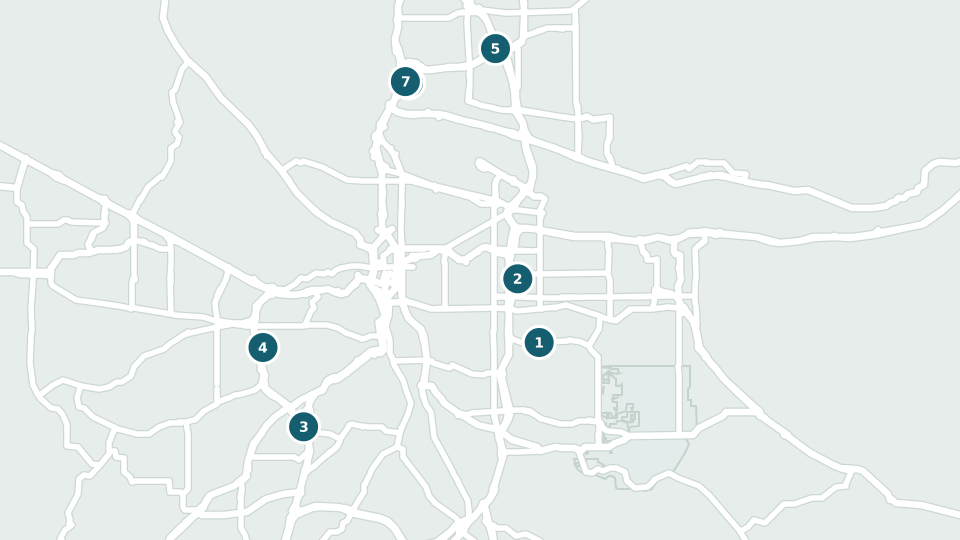
7 options near Damascus, OR, nearest first. Compare services and locations, then call to check availability.
This number connects to our central helpline, not directly to a listed facility.
You will speak with a real person who understands what you are going through.
The call is free and confidential, with no obligation to move forward.
You will leave the call knowing exactly what happens next.
If you are looking for alcohol detox right now, you are probably worried about yourself or someone you love, and that worry makes sense. Quitting heavy drinking can bring shaking, sweating, anxiety, and trouble sleeping within hours of the last drink. Sometimes it gets worse.
Seizures, hallucinations, confusion, or a racing heart mean you should call 911 or get to an emergency room instead of waiting. Those symptoms are not something to push through at home. Damascus itself is a small community, so most people here look to the Portland area, a short drive away, for care.
The first day usually starts with a phone call or a walk-in. Staff ask how much you drink, how long you have been drinking, and how you feel today. They check your health and your withdrawal risk.
If you need medical support, they can keep an eye on you and treat the symptoms so the first days are safer and more bearable. You do not have to stop drinking perfectly before you reach out. You just have to make the call.
Call (877) 712-7713
Think of treatment as stairs. Detox is the bottom step: a medically supervised few days where your body clears the alcohol and staff keep you safe through the worst of the withdrawal. It is not treatment itself, and it is not where you learn to stay sober.
It is where you survive stopping. Residential is the middle step: you move in, often for twenty-eight days or longer, and spend your days in therapy, groups and planning for life without drinking. People choose it when home is chaotic, when they have tried outpatient before and relapsed, or when they need a clean break from their routine.
Outpatient is the top step, or sometimes a starting point on its own: you keep living at home, keep working, and attend sessions at a clinic several times a week. It fits when your withdrawal risk is low, your home situation is steady, and you can get to appointments reliably. To decide between them, answer two questions honestly.
First, do you get sick, shake or feel panicky within hours of your last drink? If yes, medical detox first, no exceptions. Second, can you realistically stay sober at home tonight and tomorrow?
If no, residential gives you the buffer. If yes, outpatient lets you keep your job and family while you get help. Many people do detox, then residential, then outpatient, in that order.
Call (877) 712-7713Round-the-clock medical monitoring while your body clears alcohol safely.
You live on site for weeks, with therapy and structure every day.
Scheduled sessions while you keep living at home and working.
Ongoing support and check-ins that help sobriety last.
A first call should take ten minutes and cover the things you actually need to know. Start with access: when is the next intake, what do you need to bring, and can the assessment be done by phone. Then safety: who is on site overnight, can they handle severe withdrawal, and will they send you to a hospital if symptoms escalate.
Then money: do they take your insurance, what will you owe out of pocket, and are there sliding-scale fees or payment plans. Then the program itself: how long does it run, what medication options exist, what a typical day looks like, and how families are involved. End with the future: what support exists after you finish, and whether they connect you to ongoing outpatient care or meetings.
If the person on the phone cannot or will not answer these, that is information too.
In Oregon, paying for alcohol detox usually involves one of a few well-established methods. The most frequent is private insurance; most commercial health plans include coverage for medically supervised detox, and benefits such as copays, deductibles, and network rules will shape the final out-of-pocket amount. The second major route is the Oregon Health Plan, the state's public Medicaid program, which extends coverage to many lower-income residents and routinely pays for alcohol and other drug treatment services.
For people without insurance, sliding-scale fees—costs adjusted based on what a person can afford—are offered by numerous providers, and full self-pay is accepted for those with the means to cover treatment themselves. Regardless of the path chosen, confirming the details with both the insurer and the treatment provider beforehand ensures clear expectations about total cost.
When you have several programs within reach, judge them by what will actually decide whether you finish. Ask each one the same short list of questions and record the answers. How soon can I start?
A good answer is measured in hours or days, not weeks. Who is there at night if I feel sick or scared? You want awake medical staff for at least the early days if your withdrawal risk is high.
What medicine do you use for withdrawal symptoms? Programs that offer medication tend to keep people more comfortable than those that rely on willpower alone. What does a normal day look like?
You should hear a schedule with groups, meals, one-on-one counseling and some free time. What happens when I finish? A strong answer includes a step-down plan, alumni contact or outpatient follow-up, because the first weeks after discharge are when relapse risk is highest.
Weigh distance too: a program twenty minutes away that you will actually attend beats a famous program across the state that you will quit because the rides fall through. And trust your gut on the phone call itself. The person who answers is often the face of the whole place.
If you are looking for alcohol detox right now, you are probably worried about yourself or someone you love, and that worry makes sense.

Alcohol withdrawal is one of the few kinds of withdrawal that can kill. Seizures, hallucinations, a pounding heart, wild blood pressure swings, drenching sweats, extreme confusion, or a temperature above normal are all signs of a medical emergency, not a rough night. If you see any of these in yourself or someone else, call 911 immediately or get to the nearest emergency department.
While you wait, do not leave the person alone, do not put anything in the mouth of someone having a seizure, and lay them on their side if they are not fully alert. Tell the medics or nurses exactly what was being drunk and when it stopped. They will not call the police for being sick; their job is to stabilize, and they can also start the referral to detox from the ER.
If you or someone else is in immediate danger, call 911 now.
Call (877) 712-771312122 SE Foster Road, Portland, OR, 97266
Active
10230 SE Cherry Blossom Drive, Portland, OR, 97216
Active
7000 SW Varns Street, Portland, OR, 97223
Active
6600 SW 105th Avenue, Suite 120, Beaverton, OR, 97008
Active
5114 NE 94th Avenue, Vancouver, WA, 98662
Active
1601 East 4th Plain Boulevard, V3STARS, Vancouver, WA, 98661
Active
1601 East 4th Plain Boulevard, Building 17, Vancouver, WA, 98661
Active
These lists use only what the 7 active facilities listed for Damascus report to SAMHSA's FindTreatment.gov. No facility pays to be included or can ask to be moved. Reporting more options is not a measure of quality, outcomes or suitability for any person. A missing option means the facility did not report it to the source, not that it is not offered. Call the facility to confirm everything before relying on it.
How this list is made: each facility scores one point for each of these 5 levels of care (settings) it reports to SAMHSA's FindTreatment.gov (Residential (24-hour); Outpatient; Intensive outpatient; Partial hospitalization / day treatment; Hospital inpatient). A facility needs at least 3 to appear. Facilities are shown from the highest count to the lowest; facilities with the same count are in alphabetical order, which has no other meaning. Up to 10 are shown.
How this list is made: each facility scores one point for each of these 7 payment and cost-assistance options it reports to SAMHSA's FindTreatment.gov (Medicaid; Medicare; Private health insurance; Military insurance (TRICARE); Cash or self-payment; Sliding fee scale; Payment assistance). A facility needs at least 4 to appear. Facilities are shown from the highest count to the lowest; facilities with the same count are in alphabetical order, which has no other meaning. Up to 10 are shown.
How this list is made: each facility scores one point for each of these 4 medications used in treatment it reports to SAMHSA's FindTreatment.gov (Buprenorphine; Methadone; Naltrexone; Medication for alcohol use disorder). A facility needs at least 2 to appear. Facilities are shown from the highest count to the lowest; facilities with the same count are in alphabetical order, which has no other meaning. Up to 10 are shown.
How this list is made: each facility scores one point for each of these 12 age groups and client groups accepted it reports to SAMHSA's FindTreatment.gov (Adolescents; Young adults; Adults; Seniors; Pregnant or postpartum women; Adult women; Adult men; Veterans; Active duty military; Criminal justice clients; Clients who have experienced trauma; Co-occurring mental and substance use disorders). A facility needs at least 5 to appear. Facilities are shown from the highest count to the lowest; facilities with the same count are in alphabetical order, which has no other meaning. Up to 10 are shown.
If someone is shaking hard, confused, seeing or hearing things that are not there, having a seizure, or has a racing heart, call 911 or get to an emergency room right away. Alcohol withdrawal can turn dangerous fast, and ER staff can keep a person safe through the worst of it.
The first day is usually simple. You talk with staff about your drinking, your health, and what you need. They check you over, and if your withdrawal needs medical support, they can watch you and ease the symptoms. You do not need to have everything figured out before you call.
For most people the worst is over in about a week, but the timeline has stages. Anxiety, sweating, shakiness and trouble sleeping usually begin within six to twelve hours of the last drink and peak around day two or three. Physical symptoms often fade by day five to seven, though sleep and mood can take longer to settle. Heavy, long-term drinkers face a real risk of seizures or hallucinations during this window, which is exactly why quitting cold turkey at home is risky and a supervised detox is worth considering.
It can be done, but for some people it is dangerous, and it is hard to know which kind you are without an assessment. The main risk of suddenly stopping after heavy, regular drinking is severe withdrawal, including seizures, which can come on with little warning. A safer approach is to call a detox program or your doctor first and be honest about how much you drink. If your risk is low, they may support a taper or home monitoring. If it is high, they will recommend a supervised detox rather than gambling on your kitchen.
Usually, yes, because they serve different jobs. Detox is a medical service that gets you safely through the first days of withdrawal, while rehab addresses the habits and triggers underneath the drinking. If you have completed a detox at a hospital or clinic, call the rehab programs you are considering and say so up front. They will likely ask when you finished, whether any medication is still being tapered, and whether you have stayed sober since. Have that information ready, along with any discharge papers, and ask what assessments they still need from you.
Last updated