 Sentinel Alcohol Detox
Preventive Measures Programs Inc
1.0 mi, West Monroe198 Parkway Circle, West Monroe, LA, 71291
Active
- Outpatient
- Medicaid
- Medicare
- Private insurance
City
10 options near West Monroe, LA, nearest first. Compare services and locations, then call to check availability.
This number connects to our central helpline, not directly to a listed facility.
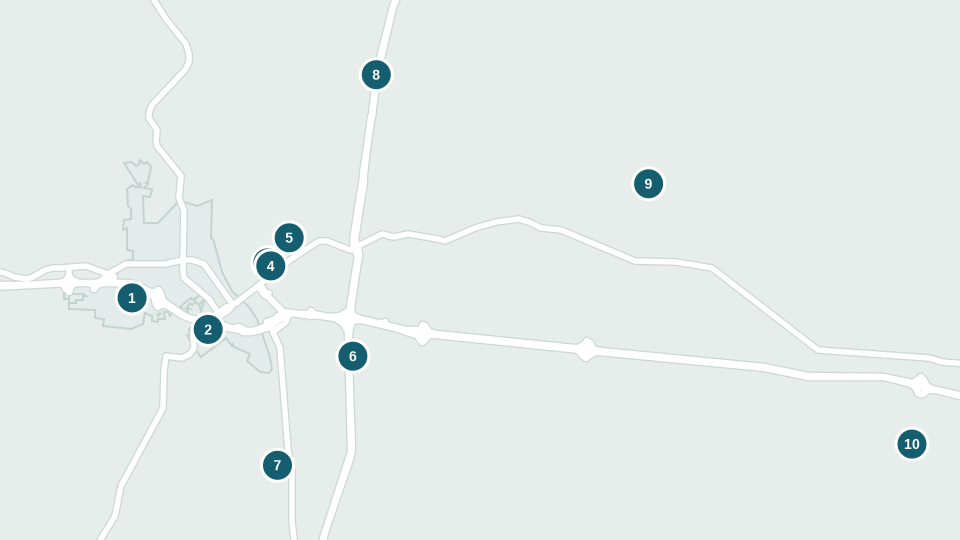
If you are looking for alcohol treatment in West Monroe, you probably want a program that fits your situation and daily life. The first day often starts with an assessment where a counselor learns about your drinking, health and any co-occurring conditions. From there the program recommends a plan, which might include outpatient counseling, group therapy or medication.
Call a program before you visit to ask what happens during the intake appointment, what documents you should bring and which services are available.

Not everyone needs every level. Detox is for people who will have physical withdrawal symptoms like shaking, sweating or confusion. Residential is for those who need to step away from triggers and focus only on recovery for a while.
Outpatient includes several types: intensive programs (9 or more hours a week) and standard programs (a couple of hours weekly). Ask yourself: can you stop drinking safely on your own? If no, detox first.
Do you have a stable, sober place to go home each night? If no, consider residential.
What happens after the program ends — do you provide an aftercare plan or connect me with local support groups? Check if they offer recovery coaching, alumni meetings, or referrals to therapists.
Private health insurance policies from employers or individual plans commonly cover alcohol rehab services in Louisiana, including detoxification, residential treatment, and outpatient programming. Depending on your specific policy, copays, deductibles, or coinsurance may apply. For those without insurance, Louisiana's Medicaid program (Healthy Louisiana) offers coverage for eligible low-income adults and families, which can help pay for substance use treatment.
Always contact the rehab center directly to verify accepted insurance plans and confirm your coverage before admission. Many facilities also offer sliding-scale fees based on income, and self-pay options are widely available for those who choose to pay out of pocket.
The cost and payment options can guide your decision. Some programs accept your health insurance, others offer sliding scale fees or payment plans. Ask if they have experience with your specific situation.
For example, if you have had relapses before, ask how they handle that. Look at the staff qualifications. Are counselors licensed and certified?
Does a medical director oversee detox? Read any materials they give you, including the discharge planning section. A program that starts planning your next step from day one shows they care about long-term results.
If you are looking for alcohol treatment in West Monroe, you probably want a program that fits your situation and daily life.

Alcohol withdrawal can kill. If you are sweating, vomiting, see things that are not there or feel your heart racing, go to the ER. Do not try to drink a little to calm the symptoms.
Do not take any medication without a doctor. An emergency room can safely manage withdrawal with FDA-approved drugs. Once you are stable, they can help you find a rehab center.
This is the smartest, safest thing you can do right now.
If you or someone else is in immediate danger, call 911 now.
198 Parkway Circle, West Monroe, LA, 71291
Active
1416 Natchitoches Street, Suite A, West Monroe, LA, 71292
Active
1205 Royal Avenue, Suite C, Monroe, LA, 71201
Active
1210 Stubbs Avenue, Monroe, LA, 71201
Active
2101 Tower Drive, Suite B, Monroe, LA, 71201
Active
1910 Ruffin Drive, Monroe, LA, 71202
Active
4800 South Grand Street, Monroe, LA, 71202
Active
4402 Sterlington Road, Monroe, LA, 71203
Active
2321 Highway 80 East, Monroe, LA, 71203
Active
161 Comeaux Road, Rayville, LA, 71269
Active
These lists use only what the 10 active facilities listed for West Monroe report to SAMHSA's FindTreatment.gov. No facility pays to be included or can ask to be moved. Reporting more options is not a measure of quality, outcomes or suitability for any person. A missing option means the facility did not report it to the source, not that it is not offered. Call the facility to confirm everything before relying on it.
How this list is made: each facility scores one point for each of these 5 levels of care (settings) it reports to SAMHSA's FindTreatment.gov (Residential (24-hour); Outpatient; Intensive outpatient; Partial hospitalization / day treatment; Hospital inpatient). A facility needs at least 3 to appear. Facilities are shown from the highest count to the lowest; facilities with the same count are in alphabetical order, which has no other meaning. Up to 10 are shown.
How this list is made: each facility scores one point for each of these 7 payment and cost-assistance options it reports to SAMHSA's FindTreatment.gov (Medicaid; Medicare; Private health insurance; Military insurance (TRICARE); Cash or self-payment; Sliding fee scale; Payment assistance). A facility needs at least 4 to appear. Facilities are shown from the highest count to the lowest; facilities with the same count are in alphabetical order, which has no other meaning. Up to 10 are shown.
How this list is made: each facility scores one point for each of these 4 medications used in treatment it reports to SAMHSA's FindTreatment.gov (Buprenorphine; Methadone; Naltrexone; Medication for alcohol use disorder). A facility needs at least 2 to appear. Facilities are shown from the highest count to the lowest; facilities with the same count are in alphabetical order, which has no other meaning. Up to 10 are shown.
How this list is made: each facility scores one point for each of these 12 age groups and client groups accepted it reports to SAMHSA's FindTreatment.gov (Adolescents; Young adults; Adults; Seniors; Pregnant or postpartum women; Adult women; Adult men; Veterans; Active duty military; Criminal justice clients; Clients who have experienced trauma; Co-occurring mental and substance use disorders). A facility needs at least 5 to appear. Facilities are shown from the highest count to the lowest; facilities with the same count are in alphabetical order, which has no other meaning. Up to 10 are shown.
Ask about the types of counseling or therapy offered, whether they prescribe medication for alcohol use, what the daily schedule looks like and if they can help with any mental health concerns. Also ask about payment options and whether they accept your insurance.
Some people need medical detox before they can safely participate in treatment. When you call a program, ask if they offer detox or can refer you to a local detox facility. A medical professional can help you decide what level of care you need.
Yes, that is the main benefit of outpatient care. However, intensive outpatient programs require 9 to 20 hours per week, usually during the day or evening. Standard outpatient may need only 1 or 2 hours per week. Check the schedule with the program to see if it fits your job.
Treatment is generally private. You can use FMLA leave for medical reasons without specifying the condition. Many employers have employee assistance programs that keep information confidential. Check the rehab's privacy policy. They cannot share your information without your written permission, except in rare legal situations.
Costs vary widely. Detox may cost $500 to $1,500 per day, while residential can be $10,000 to $60,000 per month. Outpatient programs may charge $100 to $500 per session. Many programs offer sliding scale fees, payment plans, or state-funded grants. Always ask about financial options before enrolling.
Last updated