 Sentinel Alcohol Detox
43264 Business Park Drive, #101, Temecula, CA, 92590
Active
- Licensed or certified
- Outpatient
City
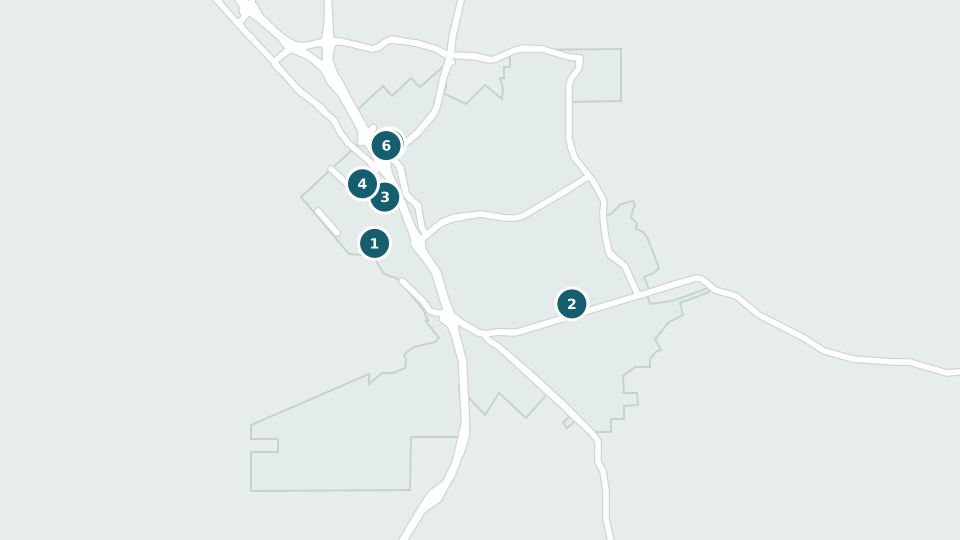
6 options near Temecula, CA, nearest first. Compare services and locations, then call to check availability.
Call (877) 712-7713Free · ConfidentialThis number connects to our central helpline, not directly to a listed facility.
You will speak with a real person who understands what you are going through.
The call is free and confidential, with no obligation to move forward.
You will leave the call knowing exactly what happens next.

Think of alcohol treatment as a ladder with three rungs. Detox is the bottom rung: a short, medically supervised stay that gets alcohol safely out of your system. It is not treatment by itself, but it gets you stable enough to begin the real work.
Residential rehab is the middle rung. You sleep, eat and attend therapy at the facility, usually for several weeks. This is the right fit when home life is chaotic, when you have tried outpatient before and relapsed, or when you need to be somewhere drinking is simply not possible.
Outpatient is the top rung. You keep your job and your bed at home, and you go to the program for a set number of hours each week. Some outpatient programs meet during the day, others in the evening so work is not interrupted.
If your withdrawal risk is low and you have a supportive household, outpatient can work well. If either of those is in doubt, start with detox or residential.
Call (877) 712-7713Round-the-clock medical monitoring while your body clears alcohol safely.
You live on site for weeks, with therapy and structure every day.
Scheduled sessions while you keep living at home and working.
Ongoing support and check-ins that help sobriety last.
A first call to a rehab program is partly an interview, and you are allowed to interview them. Start with the practical questions: what insurance do they accept, what is the daily schedule, and how long is the typical stay. Then go deeper.
Ask who provides medical care and whether a doctor sees patients in person. Ask how they handle withdrawal and whether medication is used to make it safer. Ask what happens after the program ends, and whether they help you find meetings, therapy or a sober living arrangement.
Ask if you can talk to someone who has been through the program. And ask what the total cost is, in dollars, before you sign anything. A program that answers these questions plainly is usually a program that runs well.
Residents of California exploring alcohol rehab will find that payment generally falls into a few familiar categories. The first is private insurance, which under both state and federal law must include substance use treatment benefits in most plans, making it the most common way people fund their care. The second is Medi-Cal, the state's publicly funded health coverage program, which serves millions of Californians and is frequently used to pay for addiction treatment.
Third, sliding-scale fees allow those with limited income to pay a reduced rate based on a simple financial assessment. Finally, self-pay remains a straightforward choice for individuals who want confidentiality or whose insurance does not apply, with many programs accepting direct payment by card, check, or financing.
Reach our free, confidential helpline any time, day or night.
A short conversation helps match you with the right level of care.
If needed, withdrawal is managed safely under medical supervision.
You leave with a clear plan for ongoing treatment and support.
A few yardsticks separate a good rehab choice from a poor one. First, the right level of care: a program that only offers counseling will not help someone who needs medical detox, so match the program to the severity of the drinking problem. Second, licensed staff: counselors and medical providers should hold real credentials, and a doctor should be involved if medication is part of the plan.
Third, fit with your life: check the schedule against your work hours, the location against your ability to get there, and the length of stay against what you can commit to. Fourth, money: get the insurance and cost question settled before admission, not after. Fifth, aftercare: a strong program sets up ongoing therapy, meetings or follow-up appointments before you leave.
If a program falls short on most of these, keep looking.
If heavy drinking stops and the body rebels, the situation can become life-threatening fast.

If heavy drinking stops and the body rebels, the situation can become life-threatening fast. Watch for seizures, seeing or hearing things that are not there, confusion that does not lift, or a heart pounding out of control. Any one of these means call 911 immediately or get to the closest emergency room.
This is not a character test and not something anyone should tough out on the couch. Medical staff can calm withdrawal safely with medication. If it is you who is sick, let someone else drive or wait for the ambulance.
If you or someone else is in immediate danger, call 911 now.
Call (877) 712-771343264 Business Park Drive, #101, Temecula, CA, 92590
Active
44320 Campanula Way, Temecula, CA, 92592
Active
27570 Commerce Center Drive, Suite 220 and 222, Temecula, CA, 92592
Active
41877 Enterprise Circle North, Suite 100, Temecula, CA, 92590
Active
40925 County Center Drive, Suite 100 and 200, Temecula, CA, 92591
Active
41002 County Center Drive, Suite a, Temecula, CA, 92591
Active
Not necessarily. Many people use the Family and Medical Leave Act, which can protect a job during treatment. Outpatient programs also allow many people to keep working while they get help. It is worth talking with a human resources contact about leave options before admission.
Someone will ask about your drinking history, your health and your insurance, usually in about twenty minutes. They use the answers to figure out what level of care fits you. It is a conversation, not a commitment, and you are free to call several programs before choosing one.
Relapse is common and it does not erase the progress made. The right response is to get back into treatment quickly, sometimes at the same program, sometimes at a different level of care. Many people need more than one attempt before recovery sticks, and programs that plan for aftercare tend to see better outcomes.
Last updated