 Sentinel Alcohol Detox
74 Hudson Avenue, Haverstraw, NY, 10927
Active
- Residential
- Medicaid
- Self-pay
City
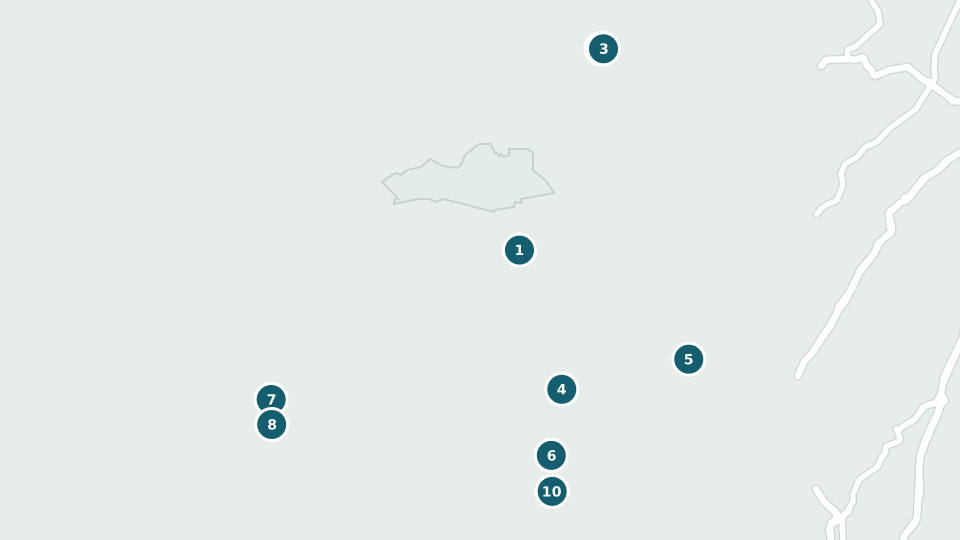
10 options near Stony Point, NY, nearest first. Compare services and locations, then call to check availability.
Call (877) 712-7713Free · ConfidentialThis number connects to our central helpline, not directly to a listed facility.
You will speak with a real person who understands what you are going through.
The call is free and confidential, with no obligation to move forward.
You will leave the call knowing exactly what happens next.
If you are reading this because alcohol has taken over your life, or the life of someone you love in or near Stony Point, you are not alone and you are not out of options. Most people start with a phone call. A treatment center will ask about how much and how often you drink, how long it has been going on, and how you are feeling right now.
You will not be judged for your answers. Honesty here is what keeps you safe. If it has been a day or more since the last drink, withdrawal can be a medical emergency.
Seizures, hallucinations, confusion, or a racing heart mean you should call 911 or go to the nearest emergency room before anything else. For everyone else, the first day usually involves an assessment, paperwork, and a plan for detox or ongoing care. From Stony Point, help is within reach in nearby communities like Haverstraw, Valley Cottage, Suffern, Blauvelt, Ossining, and Peekskill, where licensed providers such as the Rockland Outreach Center, Lexington Center for Recovery Inc, Greater Mental Health of New York Inc, and Samaritan Daytop Village Inc operate.
The hardest part is the phone call. After that, someone else carries some of the weight. Take it one step at a time, and let the first step be today.
Call (877) 712-7713
Detox, residential, and outpatient answer different problems, so the choice is less about which is best overall and more about which problem you have right now. Detox is for the body. Heavy daily drinkers who quit suddenly can go through withdrawal that turns dangerous fast, so detox means round-the-clock medical care for roughly three to seven days until you're stable.
Residential rehab is for the pattern. You move in, you're away from alcohol entirely, and your days are filled with individual counseling, group therapy, and planning for life after discharge. It suits people whose home environment feeds the drinking or who have tried and relapsed on their own.
Outpatient rehab is for maintenance and change in place. You attend several sessions a week, often built around work hours, and you practice new habits in your real life as you learn them. Many people string them together: detox, then residential, then outpatient as a step down.
That sequence is worth asking about on your first call, because programs that offer all three can move you through without a gap.
Call (877) 712-7713Round-the-clock medical monitoring while your body clears alcohol safely.
You live on site for weeks, with therapy and structure every day.
Scheduled sessions while you keep living at home and working.
Ongoing support and check-ins that help sobriety last.
A first call to a rehab center is a two-way interview, and your questions matter as much as theirs. Ask about access first: openings, wait times, and whether they can take you tonight or tomorrow if you're ready. Ask about money early rather than late, since it shapes everything: which insurers they work with, the cost if you're paying yourself, and whether they offer sliding-scale fees.
Ask about medical safety, especially if you drink heavily: do they have medical staff on site, do they use medication to make withdrawal safer and more comfortable, and where is the nearest hospital relative to the facility. Ask about the program itself: daily schedule, length of stay, whether family can visit or take part, and how they handle someone who relapses during treatment. Ask what happens at discharge and whether they connect you to ongoing support afterward.
And if the person on the phone rushes you or won't give straight answers about cost, you are allowed to hang up and call the next one.
When it comes to covering the cost of alcohol rehab in New York, most people draw on a handful of standard payment options. Some pay through private insurance, where the extent of alcohol treatment coverage depends on the specific policy and its terms. Others qualify for Medicaid, New York's well-known public health coverage program, which many residents use to help fund substance use disorder treatment.
Facilities across the state also frequently structure sliding-scale fees so that what a person pays reflects their financial situation, making care more reachable for lower-income individuals. Finally, self-pay is always an option for those able and willing to fund their own treatment. Verifying payment arrangements with a specific program ahead of time is the best way to avoid surprises.
Reach our free, confidential helpline any time, day or night.
A short conversation helps match you with the right level of care.
If needed, withdrawal is managed safely under medical supervision.
You leave with a clear plan for ongoing treatment and support.
Distance, cost, safety, and fit are the four things worth comparing, in roughly that order of urgency. Safety first: if you drink heavily, the center must be able to handle withdrawal medically, either on site or through a hospital partnership. Then cost: confirm insurance acceptance and get the deductible and out-of-pocket figure before you commit anywhere.
Then distance: staying near home keeps family involved and makes aftercare easier to continue, while going farther away removes you from the people and routines that come with drinking. Both are legitimate choices. Then fit: does the daily schedule, the length of the program, and the approach feel like something you can actually do?
A program you'll stay in beats a fancier one you'll leave in four days. And ask each place how many people they treat at once, because a small group means more attention, while a large one can mean more peer support. Either can work; you should know which you're walking into.
If you are reading this because alcohol has taken over your life, or the life of someone you love in or near Stony Point, you are not alone and you are not out of options.

Some withdrawal symptoms mean you need an emergency room tonight, before anything else. If you or a loved one has a seizure, sees or hears things that aren't real, can't answer simple questions, has a heart that is racing or pounding, spikes a fever, or vomits constantly, call 911. These are the signs of severe withdrawal, and they can turn fatal without treatment.
Severe trembling, sweating, and panic within hours of the last drink are also warnings in a heavy drinker, especially someone who has withdrawn before. Don't wait for an intake appointment, and don't try to ride it out. Tell the 911 dispatcher or the ER staff plainly that this is alcohol withdrawal, how much was being drunk daily, and when it stopped.
That single sentence gets the right treatment moving fast. Emergency rooms see this constantly, treat it with medication, and can stabilize the situation safely. After the emergency passes, that's the moment to set up detox or rehab, not before.
If you or someone else is in immediate danger, call 911 now.
Call (877) 712-771374 Hudson Avenue, Haverstraw, NY, 10927
Active
1037 Main Street, Peekskill, NY, 10566
Active
1101 Main Street, Peekskill, NY, 10566
Active
706 Executive Boulevard, Suite D, Valley Cottage, NY, 10989
Active
22 Rockledge Avenue, Ossining, NY, 10562
Active
140 Route 303, Valley Cottage, NY, 10989
Active
75 Montebello Road, Suffern, NY, 10901
Active
100 Route 59, Suite 111, Suffern, NY, 10901
Active
620 Route 303, 1st and 2nd Floors, Blauvelt, NY, 10913
Active
620 Route 303, 1st and 2nd Floors, Blauvelt, NY, 10913
Active
These lists use only what the 10 active facilities listed for Stony Point report to SAMHSA's FindTreatment.gov. No facility pays to be included or can ask to be moved. Reporting more options is not a measure of quality, outcomes or suitability for any person. A missing option means the facility did not report it to the source, not that it is not offered. Call the facility to confirm everything before relying on it.
How this list is made: each facility scores one point for each of these 5 levels of care (settings) it reports to SAMHSA's FindTreatment.gov (Residential (24-hour); Outpatient; Intensive outpatient; Partial hospitalization / day treatment; Hospital inpatient). A facility needs at least 3 to appear. Facilities are shown from the highest count to the lowest; facilities with the same count are in alphabetical order, which has no other meaning. Up to 10 are shown.
How this list is made: each facility scores one point for each of these 7 payment and cost-assistance options it reports to SAMHSA's FindTreatment.gov (Medicaid; Medicare; Private health insurance; Military insurance (TRICARE); Cash or self-payment; Sliding fee scale; Payment assistance). A facility needs at least 4 to appear. Facilities are shown from the highest count to the lowest; facilities with the same count are in alphabetical order, which has no other meaning. Up to 10 are shown.
How this list is made: each facility scores one point for each of these 4 medications used in treatment it reports to SAMHSA's FindTreatment.gov (Buprenorphine; Methadone; Naltrexone; Medication for alcohol use disorder). A facility needs at least 2 to appear. Facilities are shown from the highest count to the lowest; facilities with the same count are in alphabetical order, which has no other meaning. Up to 10 are shown.
How this list is made: each facility scores one point for each of these 12 age groups and client groups accepted it reports to SAMHSA's FindTreatment.gov (Adolescents; Young adults; Adults; Seniors; Pregnant or postpartum women; Adult women; Adult men; Veterans; Active duty military; Criminal justice clients; Clients who have experienced trauma; Co-occurring mental and substance use disorders). A facility needs at least 5 to appear. Facilities are shown from the highest count to the lowest; facilities with the same count are in alphabetical order, which has no other meaning. Up to 10 are shown.
Someone will ask about your drinking, your health, and how you are feeling, then walk you through what detox or treatment would look like. There is no judgment, and you do not have to commit to anything on the first call.
If you or a loved one has seizures, hallucinations, confusion, or a racing heart after stopping or cutting back drinking, call 911 or get to the nearest emergency room right away. Severe withdrawal can be dangerous and needs medical care immediately.
Often yes, depending on the level of care. Outpatient programs are built around work schedules, with sessions during the day or evening. Residential care requires you to live at the facility, so it usually means taking time away, and detox takes days rather than weeks. Some employers are required to hold a job for treatment under family and medical leave laws, so it's worth asking your human resources office before you assume you can't go.
In most programs, yes, and family involvement is often encouraged because drinking problems rarely exist in isolation. Residential centers usually have set visiting times, sometimes after an initial settling-in period, and many offer family counseling sessions. Outpatient programs often invite a spouse or parent into parts of the process. Ask on your first call what family involvement looks like, since policies differ from one center to another.
Centers differ, so ask for their list before you pack, but the basics are usually the same: identification, your insurance card, a list of current medications in original bottles, comfortable clothes for several days, and a small amount of cash. Most places restrict phones, outside food, and anything containing alcohol, including mouthwash and some medications. Leave valuables at home. Bring names and numbers for your doctor and emergency contacts so staff can coordinate your care.
Last updated