 Sentinel Alcohol Detox
Liberation Programs Inc — 15 Commererce Road
1.7 mi, Stamford15 Commererce Road, Stamford, CT, 06902
Active
- Outpatient
- Medication-assisted treatment
- Medicaid
- Medicare
City
No listed facilities are in Riverside. The nearest listed facility is 1.7 miles from Riverside. Compare the facilities near Riverside below; distances are straight-line estimates.
This number connects to our central helpline, not directly to a listed facility.
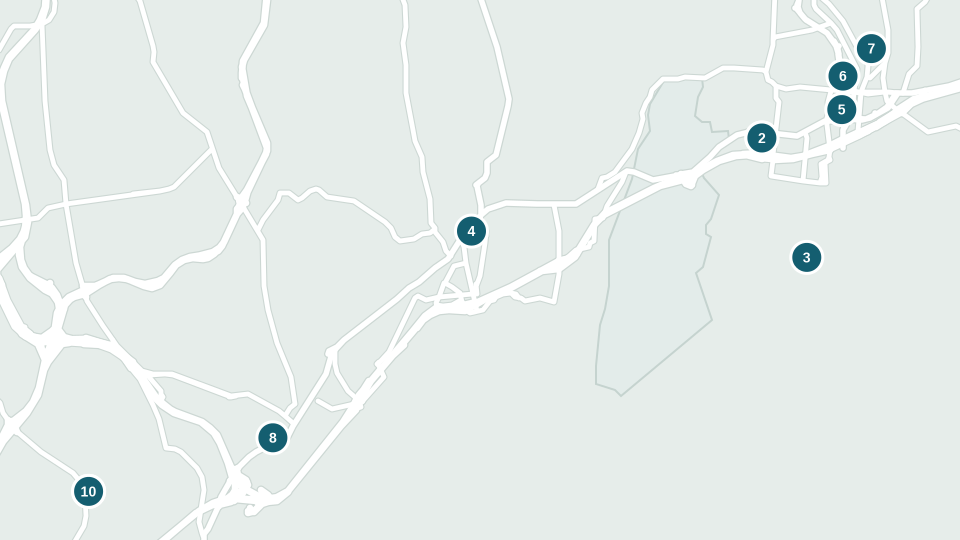
If you are looking for help with alcohol use in or near Riverside, CT, you may be ready to take the first step and find out what treatment looks like. Programs in this area generally start with an assessment to understand your situation. After that, a plan may include counseling, group support, or other services.
Call a program directly to ask how they handle intake, what a typical day involves, and what you should bring or prepare before your first visit.

Detox is medical monitoring while alcohol leaves your body. It lasts a few days to a week and handles physical withdrawal. Residential means living at the facility full-time for weeks or months, with daily therapy.
Outpatient lets you live at home and attend sessions a few times a week. You choose based on how much structure you need. If your drinking is heavy or you have had withdrawal before, start with detox.
If you can manage daily life but need support, outpatient might be enough.
What levels of care do you offer, and can I move between them if I need more or less support?
In Connecticut, paying for alcohol rehab can be done through private insurance, which is commonly accepted at many centers. For residents with limited income, public insurance such as Medicaid may provide coverage—please check your eligibility with the specific rehab center. Sliding-scale fees are often available to adjust costs based on financial need, and self-pay remains a viable choice for those who wish to pay directly for services.
Reach our free, confidential helpline any time, day or night.
A short conversation helps match you with the right level of care.
If needed, withdrawal is managed safely under medical supervision.
You leave with a clear plan for ongoing treatment and support.
Look at what each program requires for admission. Some need a detox note from a doctor; others do their own assessment. Ask about the daily schedule.
A good program has a mix of therapy, education and free time. Compare how long the program lasts. Some residential stays are 28 days; others go 90 days or more.
Outpatient programs vary by hours per week. Choose a program that fits your life, not just your calendar. If you have dual-diagnosis issues like depression or anxiety, find a program that treats both.
If you are looking for help with alcohol use in or near Riverside, CT, you may be ready to take the first step and find out what treatment looks like.

Severe alcohol withdrawal can be life-threatening. Confusion, rapid heartbeat, seizures, or hallucinations mean you need emergency medical help immediately. Do not wait to see if it passes.
Call 911 or go to the nearest emergency room. Do not try to detox on your own if you have a history of heavy drinking. Medical staff can make withdrawal safer with medications and monitoring.
You are not bothering anyone by going to the ER for this.
If you or someone else is in immediate danger, call 911 now.
15 Commererce Road, Stamford, CT, 06902
Active
15 Commerce Road, Stamford, CT, 06902
Active
10 Signal Road, Stamford, CT, 06902
Active
50 East Putnam Avenue, Greenwich YMCA, Greenwich, CT, 06830
Active
117 Main Street, Stamford, CT, 06901
Active
1351 Washington Boulevard, Suite 500, Stamford, CT, 06902
Active
130 Morgan Street, Stamford, CT, 06905
Active
132 Pearl Street, Port Chester, NY, 10573
Active
275 North Street, Harrison, NY, 10528
Active
275 North Street, Spellman Building, 1st Floor, Harrison, NY, 10528
Active
These lists use only what the 10 active facilities listed for Riverside report to SAMHSA's FindTreatment.gov. No facility pays to be included or can ask to be moved. Reporting more options is not a measure of quality, outcomes or suitability for any person. A missing option means the facility did not report it to the source, not that it is not offered. Call the facility to confirm everything before relying on it.
How this list is made: each facility scores one point for each of these 5 levels of care (settings) it reports to SAMHSA's FindTreatment.gov (Residential (24-hour); Outpatient; Intensive outpatient; Partial hospitalization / day treatment; Hospital inpatient). A facility needs at least 3 to appear. Facilities are shown from the highest count to the lowest; facilities with the same count are in alphabetical order, which has no other meaning. Up to 10 are shown.
How this list is made: each facility scores one point for each of these 7 payment and cost-assistance options it reports to SAMHSA's FindTreatment.gov (Medicaid; Medicare; Private health insurance; Military insurance (TRICARE); Cash or self-payment; Sliding fee scale; Payment assistance). A facility needs at least 4 to appear. Facilities are shown from the highest count to the lowest; facilities with the same count are in alphabetical order, which has no other meaning. Up to 10 are shown.
How this list is made: each facility scores one point for each of these 4 medications used in treatment it reports to SAMHSA's FindTreatment.gov (Buprenorphine; Methadone; Naltrexone; Medication for alcohol use disorder). A facility needs at least 2 to appear. Facilities are shown from the highest count to the lowest; facilities with the same count are in alphabetical order, which has no other meaning. Up to 10 are shown.
How this list is made: each facility scores one point for each of these 12 age groups and client groups accepted it reports to SAMHSA's FindTreatment.gov (Adolescents; Young adults; Adults; Seniors; Pregnant or postpartum women; Adult women; Adult men; Veterans; Active duty military; Criminal justice clients; Clients who have experienced trauma; Co-occurring mental and substance use disorders). A facility needs at least 5 to appear. Facilities are shown from the highest count to the lowest; facilities with the same count are in alphabetical order, which has no other meaning. Up to 10 are shown.
Ask about the kinds of therapy or counseling offered, whether it is an outpatient or residential setting, and how the program handles medical needs. Also ask what you need to do before your first appointment and what payment options are available.
Some programs accept walk-ins or self-referrals, while others may require a referral from a doctor or an assessment. Call the program ahead of time to learn about its specific intake process.
If you have tried to cut back or quit and could not, or if drinking causes problems with work, family or health, rehab may help. A professional can assess the severity of your alcohol use and recommend the right level of care. Trust your gut. If you are asking the question, it may be time to check.
It depends on the level of care. Detox lasts 3 to 7 days. Residential programs range from 28 to 90 days, sometimes longer. Outpatient programs can last 3 to 12 months. Longer stays have better outcomes for many people. Discuss your history with a provider to find the right duration.
Relapse is common and does not mean treatment failed. Many programs offer continuing care or relapse prevention planning. You can return to a higher level of care if needed. Some people find ongoing support groups or therapy helpful. The key is to reach out for help and adjust your plan.
Last updated