 Sentinel Alcohol Detox
118 East Clinton Street, Napoleon, OH, 43545
Active
- Outpatient
- Medication-assisted treatment
- Medicaid
- Medicare
City
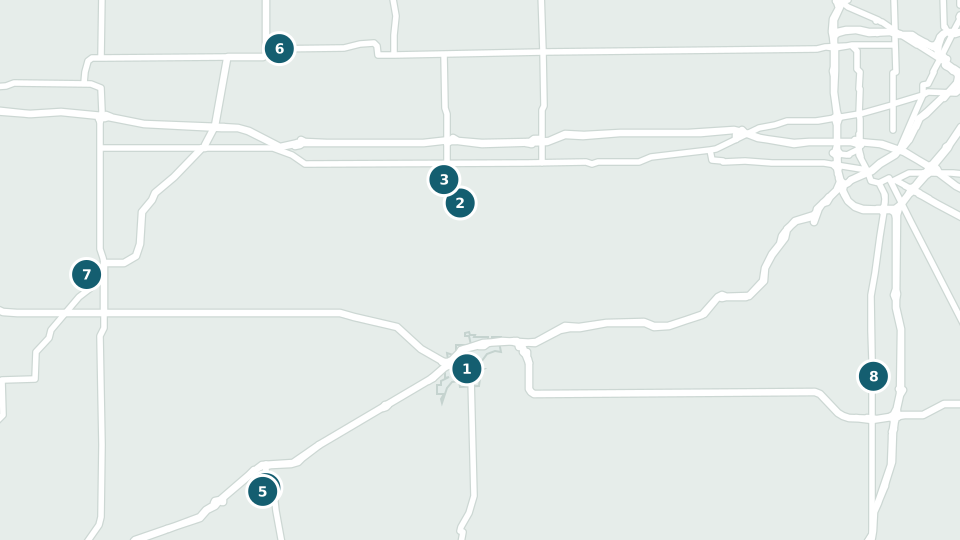
8 options near Napoleon, OH, nearest first. Compare services and locations, then call to check availability.
Call (877) 712-7713Free · ConfidentialThis number connects to our central helpline, not directly to a listed facility.
You will speak with a real person who understands what you are going through.
The call is free and confidential, with no obligation to move forward.
You will leave the call knowing exactly what happens next.
If you are reading this in or around Napoleon, you or someone you love is probably scared and tired, and looking for help with drinking right now. That is a good reason to be here, and you do not have to have everything figured out before you reach out. One thing to sort out first: if there are seizures, hallucinations, confusion, or a racing heart, call 911 or get to the nearest emergency room instead.
Alcohol withdrawal can be dangerous, and an ER can keep things safe. If it is not an emergency, the first day of treatment usually looks simple. You call or walk in, answer questions about your drinking, your health, and your history, and someone does an assessment to figure out what level of care fits.
There may be paperwork and questions about insurance, and you may feel like you are repeating yourself. That is normal. The point of day one is to get a clear picture and get you stabilized, not to have you commit to anything on the spot.
Call (877) 712-7713
The three levels of alcohol care build on each other, so the question is really where you need to enter. Detox handles the physical part. Alcohol withdrawal can cause seizures, hallucinations and a racing heart in heavy drinkers, so a supervised detox has nurses and doctors who use medication to keep you safe and comfortable through the worst few days.
Residential treatment takes over after that, or instead of it if withdrawal is mild. You stay at the facility around the clock, follow a daily schedule of therapy and groups, and get distance from the people and routines tied to your drinking. Outpatient is the lightest level.
You come in for a set number of hours per week, often in the evening so you can keep working, and you go home afterward. It suits people with a stable home, a milder problem, or those finishing up after residential care. A simple rule of thumb: if stopping drinking makes you sick, shaky or scared, get assessed for detox first.
If you can stop safely but keep going back, you need the structure of residential or intensive outpatient work. Ask any program for an assessment; they do this every day and can tell you which level you need.
Call (877) 712-7713Round-the-clock medical monitoring while your body clears alcohol safely.
You live on site for weeks, with therapy and structure every day.
Scheduled sessions while you keep living at home and working.
Ongoing support and check-ins that help sobriety last.
A good first call covers five areas, and writing them down beforehand keeps you from freezing up. First, availability and admission: is there a bed now, what do I need to bring, and do you take walk-ins or only scheduled admissions? Second, money: which insurance plans do you accept, what is my likely out-of-pocket cost, and are there payment plans or scholarships?
Third, medical care: will a doctor see me, what is the staff-to-patient ratio, and how do you handle withdrawal emergencies? Fourth, the treatment itself: is the program built around alcohol specifically, how many hours per week is it, and is it twelve-step based, cognitive behavioral therapy, or something else? Fifth, what happens after: what follow-up do you offer, and can my family be involved?
One more that people forget: ask who to call if I change my mind or relapse after finishing. Programs that answer all of this without rushing you are telling you something good about themselves.
If you are considering alcohol treatment in Ohio, understanding your payment options ahead of time can make the process less stressful. Many residents use private insurance, since most plans sold in the state are required to include substance use disorder benefits. Ohio Medicaid provides coverage for eligible low-income residents and is widely used to help finance rehab services.
Beyond insurance, sliding-scale fees are a frequent option, with charges based on household income and size so that cost does not become a barrier to getting help. Self-pay, where a person or family pays out of pocket, is also a straightforward choice for those who prefer not to involve an insurer.
Reach our free, confidential helpline any time, day or night.
A short conversation helps match you with the right level of care.
If needed, withdrawal is managed safely under medical supervision.
You leave with a clear plan for ongoing treatment and support.
Use concrete filters to sort nearby options. Filter one: does it offer the level you need? If you need detox, a program that starts at outpatient is out.
Filter two: is it in your insurance network? Call the number on the back of your insurance card and get names of in-network facilities before you tour or commit, because out-of-network rehab can cost tens of thousands. Filter three: is there real medical staffing?
Ask specifically whether a physician is involved in care, whether nursing is on site twenty-four hours in residential, and what their protocol is for seizures. Filter four: does it treat the whole picture? If you drink because of trauma, grief, chronic pain or depression, a program that only talks about alcohol will not hold you.
Filter five: what is the aftercare plan? Good programs set you up with ongoing outpatient therapy, support groups or sober living before you finish, not after. Filter six: can you get in now?
A bed today beats a perfect program with a three-week wait if you are in a crisis window. Weigh these in order of your own urgency: if you are physically dependent, medical care and immediate access come first; if you are not dependent, cost, fit and aftercare weigh more.
If you are reading this in or around Napoleon, you or someone you love is probably scared and tired, and looking for help with drinking right now.

Stop reading advice columns if any of this is happening right now: seizures, constant shaking, sweating through clothes, vomiting that will not stop, seeing or hearing things nobody else does, not knowing what day it is, a heart that feels like it is slamming, or a fever. That is severe alcohol withdrawal, and it is a medical emergency, not a rough night. Call 911 or go straight to the nearest emergency room.
People die from alcohol withdrawal, particularly heavy drinkers who stop suddenly, and the dangerous stretch is the first few days. What you do in the next hour matters more than any decision about which rehab program to choose later. When help arrives, say the words alcohol withdrawal clearly, and say how much the person drinks per day and for how long.
Doctors need that to dose the right medication, and they are used to hearing it; you will not shock them. If you are the drinker and you feel these symptoms starting, do not drive yourself; call 911. Do not take another drink to calm the symptoms as a fix, and do not take leftover sedatives or someone else's medication to get through it; both can make things worse or interact dangerously.
Untreated withdrawal can escalate into seizures and a life-threatening condition called delirium tremens. Treated in a hospital, it is very manageable. Getting to the ER tonight does not commit you to anything, but it keeps you alive to make choices tomorrow.
If you or someone else is in immediate danger, call 911 now.
Call (877) 712-7713118 East Clinton Street, Napoleon, OH, 43545
Active
725 South Shoop Avenue, Wauseon, OH, 43567
Active
560 West Linfoot Street, P.O. Box 523, Wauseon, OH, 43567
Active
101 Clinton Street, Defiance, OH, 43512
Active
511 Perry Street, Defiance, OH, 43512
Active
25212 U.S. Route 20, Fayette, OH, 43521
Active
200 Van Gundy Drive, Bryan, OH, 43506
Active
1010 North Prospect Street, Bowling Green, OH, 43402
Active
These lists use only what the 8 active facilities listed for Napoleon report to SAMHSA's FindTreatment.gov. No facility pays to be included or can ask to be moved. Reporting more options is not a measure of quality, outcomes or suitability for any person. A missing option means the facility did not report it to the source, not that it is not offered. Call the facility to confirm everything before relying on it.
How this list is made: each facility scores one point for each of these 5 levels of care (settings) it reports to SAMHSA's FindTreatment.gov (Residential (24-hour); Outpatient; Intensive outpatient; Partial hospitalization / day treatment; Hospital inpatient). A facility needs at least 3 to appear. Facilities are shown from the highest count to the lowest; facilities with the same count are in alphabetical order, which has no other meaning. Up to 10 are shown.
How this list is made: each facility scores one point for each of these 7 payment and cost-assistance options it reports to SAMHSA's FindTreatment.gov (Medicaid; Medicare; Private health insurance; Military insurance (TRICARE); Cash or self-payment; Sliding fee scale; Payment assistance). A facility needs at least 4 to appear. Facilities are shown from the highest count to the lowest; facilities with the same count are in alphabetical order, which has no other meaning. Up to 10 are shown.
How this list is made: each facility scores one point for each of these 4 medications used in treatment it reports to SAMHSA's FindTreatment.gov (Buprenorphine; Methadone; Naltrexone; Medication for alcohol use disorder). A facility needs at least 2 to appear. Facilities are shown from the highest count to the lowest; facilities with the same count are in alphabetical order, which has no other meaning. Up to 10 are shown.
How this list is made: each facility scores one point for each of these 12 age groups and client groups accepted it reports to SAMHSA's FindTreatment.gov (Adolescents; Young adults; Adults; Seniors; Pregnant or postpartum women; Adult women; Adult men; Veterans; Active duty military; Criminal justice clients; Clients who have experienced trauma; Co-occurring mental and substance use disorders). A facility needs at least 5 to appear. Facilities are shown from the highest count to the lowest; facilities with the same count are in alphabetical order, which has no other meaning. Up to 10 are shown.
If you or someone near you has seizures, hallucinations, confusion, or a racing heart while drinking heavily or stopping, treat it as an emergency. Call 911 or go to the nearest emergency room before anything else. Alcohol withdrawal can turn dangerous fast, and ER staff can keep you safe and treat the symptoms.
The first day is mostly about safety and paperwork. Someone will ask about drinking history, health, and insurance, and the focus is on making sure withdrawal is under control before anything else. Family can often help by giving information and support, and asking questions is always fair game.
No, and in fact for heavy drinkers, quitting abruptly without medical help is exactly what you should not do. Abrupt stopping after heavy daily drinking can cause seizures and other dangerous withdrawal symptoms. Programs that offer detox exist so you can stop safely, with medication and monitoring. When you call, describe how much you drink daily and how long you have been at that level. They will tell you whether you need a supervised detox first or whether you can go straight into counseling.
Detox is the short medical phase that gets alcohol safely out of your system, usually three to seven days, with medication to prevent seizures and ease symptoms. Rehab is the longer phase where you do the counseling, group work and skill-building that address why you drink and how to stop. Some facilities offer both on one campus, and many people do detox at one place and rehab at another. If withdrawal scares you or has gone badly before, make sure the program you call offers medical detox or can arrange it.
Often yes. Outpatient programs are designed around work, with evening and sometimes weekend sessions, and many intensive outpatient programs run three hours a night, three to five nights a week. If you need detox first, that usually requires several days away, sometimes covered by sick leave or short-term disability. Be honest at your assessment about your schedule, because a program you cannot actually attend will not hold you. Also ask about virtual sessions, which many outpatient programs now offer for counseling and group follow-up.
Last updated