 Sentinel Alcohol Detox
Tomah VAMC
5.4 mi, Rothschild1105 East Grand Avenue, Rothschild, WI, 54474
Active
- Outpatient
- Detox
- Medication-assisted treatment
- Medicare
City
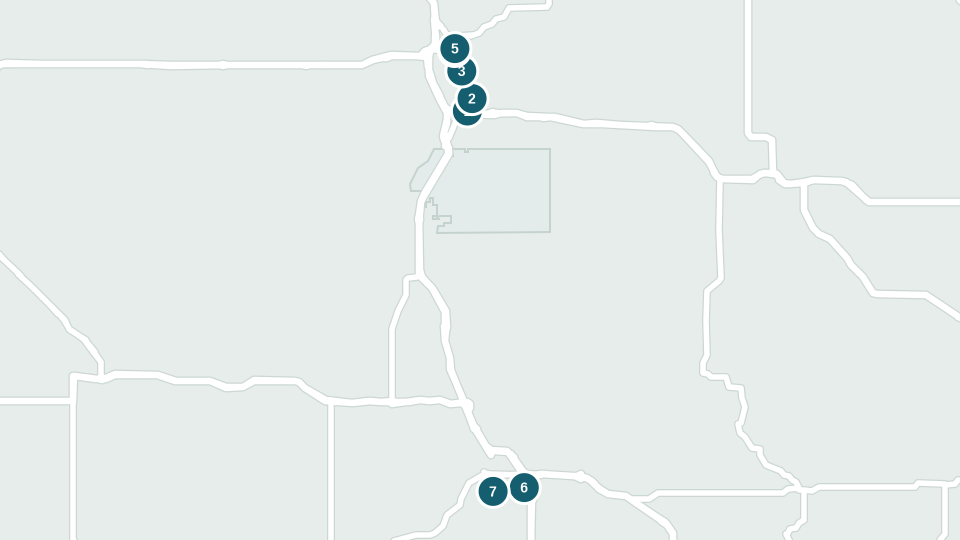
No listed facilities are in Kronenwetter. The nearest listed facility is 5.4 miles from Kronenwetter. Compare the facilities near Kronenwetter below; distances are straight-line estimates.
This number connects to our central helpline, not directly to a listed facility.
If you live in or near Kronenwetter and are looking for alcohol rehab options, the first step is finding a program that matches your situation. Many people start with an assessment, where a counselor or clinician asks about drinking patterns, health history and any co-occurring conditions. Based on that conversation, the program recommends a level of care, which could be outpatient therapy, day treatment or residential care.
Some programs offer medication to help reduce cravings or manage withdrawal symptoms. The intake day usually involves paperwork, a medical check and a treatment plan discussion.

Detox is the first step if you need medical monitoring to stop drinking safely. You stay in a 24-hour facility where staff watch your vitals and manage withdrawal symptoms. Residential care means you live at the facility full time, typically for a month or more, with therapy and daily structure.
Outpatient care lets you live at home and attend treatment sessions during the day or evening. A doctor or assessment counselor can help you choose based on how much you drink, your health, and your home environment. Many people move from detox to residential then to outpatient.
"Do you have a medical doctor on staff, and do you handle detoxification on site?"
Throughout Wisconsin, many individuals use private health insurance to help cover the cost of alcohol rehab centers. Public coverage options, including Medicare and Medicaid (known as BadgerCare Plus in the state), may also offer assistance, but you should verify eligibility directly with the program. Some centers provide sliding-scale fees based on income or offer self-pay options for those without insurance.
It is always recommended to contact any facility directly to confirm their accepted payment methods before admission.
Look for a program that treats alcohol use disorder specifically, not just general addiction. Check that the facility is licensed by your state's health department. Ask if they offer evidence-based therapies like cognitive behavioral therapy or motivational interviewing.
Visit the program in person if you can, or ask for a virtual tour. Pay attention to how the staff talks to you on the phone—are they respectful and patient? Consider the distance from your home; being too close or too far each has pros and cons.
If you have insurance, call your provider to see which programs are in-network.
If you live in or near Kronenwetter and are looking for alcohol rehab options, the first step is finding a program that matches your situation.

If you are drinking heavily every day and stop suddenly, you can have life-threatening withdrawal symptoms like seizures, hallucinations, or heart failure. That is a medical emergency. Call 911 or go to the nearest emergency room immediately.
Do not try to detox at home without medical supervision. Explain that you are withdrawing from alcohol so the doctors can give you the right medications. Once you are medically stable, hospital staff can connect you to a detox or rehab program.
If you or someone else is in immediate danger, call 911 now.
1105 East Grand Avenue, Rothschild, WI, 54474
Active
1699 Schofield Avenue, Suite 120, Schofield, WI, 54476
Active
1818 Grand Avenue, Suite 5000, Wausau, WI, 54403
Active
210 Washington Street, Wausau, WI, 54403
Active
500 North 3rd Street, Suite 600, Wausau, WI, 54403
Active
2801 Hoover Road, Unit 1D, Stevens Point, WI, 54481
Active
817 Whiting Avenue, Stevens Point, WI, 54481
Active
These lists use only what the 7 active facilities listed for Kronenwetter report to SAMHSA's FindTreatment.gov. No facility pays to be included or can ask to be moved. Reporting more options is not a measure of quality, outcomes or suitability for any person. A missing option means the facility did not report it to the source, not that it is not offered. Call the facility to confirm everything before relying on it.
How this list is made: each facility scores one point for each of these 5 levels of care (settings) it reports to SAMHSA's FindTreatment.gov (Residential (24-hour); Outpatient; Intensive outpatient; Partial hospitalization / day treatment; Hospital inpatient). A facility needs at least 3 to appear. Facilities are shown from the highest count to the lowest; facilities with the same count are in alphabetical order, which has no other meaning. Up to 10 are shown.
How this list is made: each facility scores one point for each of these 7 payment and cost-assistance options it reports to SAMHSA's FindTreatment.gov (Medicaid; Medicare; Private health insurance; Military insurance (TRICARE); Cash or self-payment; Sliding fee scale; Payment assistance). A facility needs at least 4 to appear. Facilities are shown from the highest count to the lowest; facilities with the same count are in alphabetical order, which has no other meaning. Up to 10 are shown.
How this list is made: each facility scores one point for each of these 4 medications used in treatment it reports to SAMHSA's FindTreatment.gov (Buprenorphine; Methadone; Naltrexone; Medication for alcohol use disorder). A facility needs at least 2 to appear. Facilities are shown from the highest count to the lowest; facilities with the same count are in alphabetical order, which has no other meaning. Up to 10 are shown.
How this list is made: each facility scores one point for each of these 12 age groups and client groups accepted it reports to SAMHSA's FindTreatment.gov (Adolescents; Young adults; Adults; Seniors; Pregnant or postpartum women; Adult women; Adult men; Veterans; Active duty military; Criminal justice clients; Clients who have experienced trauma; Co-occurring mental and substance use disorders). A facility needs at least 5 to appear. Facilities are shown from the highest count to the lowest; facilities with the same count are in alphabetical order, which has no other meaning. Up to 10 are shown.
Programs in the area may offer outpatient counseling, medication for alcohol cravings, and treatment for co-occurring mental health conditions. Call a program directly to confirm which services are currently available and whether they fit your needs.
Some people need medically supervised detox before rehab, especially if they have a history of severe withdrawal. Ask each program about its assessment process and whether they provide or refer to detox services.
Programs vary widely. Detox typically lasts 3 to 7 days. Residential treatment is often 30 to 90 days. Outpatient can range from 8 weeks to 6 months or more. The right length depends on your personal history and progress.
Most health insurance plans are required to cover substance use treatment under the Affordable Care Act. You should call your insurance company to ask about your specific plan's in-network providers, copays, and deductibles. Many centers also offer sliding-scale fees if you pay yourself.
It depends on the level of care. Residential programs require you to live there full time, so most people take leave from work. Outpatient programs can often be scheduled around your work hours, such as evening or weekend sessions. Check with your employer about the Family and Medical Leave Act (FMLA) if you need time off.
Last updated