 Sentinel Alcohol Detox
Clarvida
0.7 mi, Hendersonville400 Beverly Hanks Center, Suites A and C, Hendersonville, NC, 28792
Active
- Outpatient
- Medicaid
- Medicare
- Private insurance
City
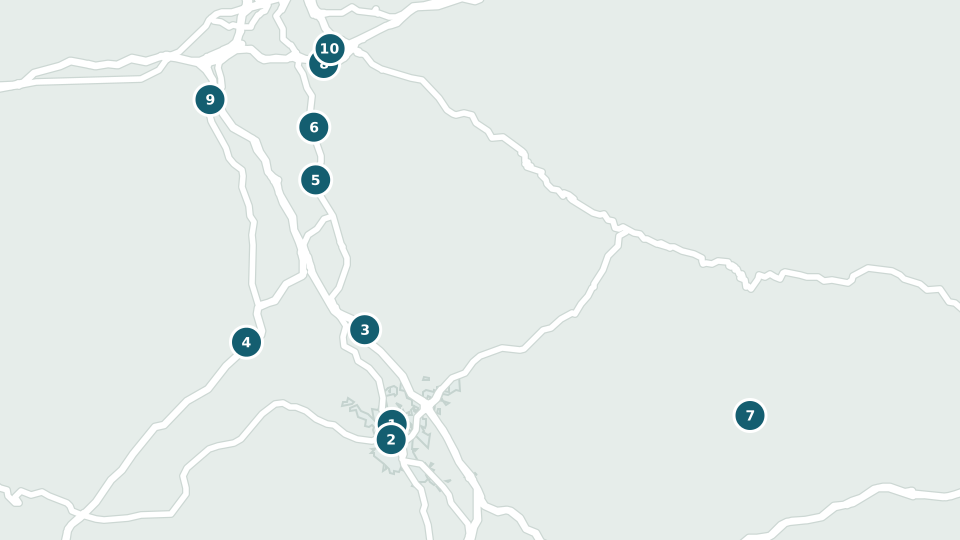
10 options near Hendersonville, NC, nearest first. Compare services and locations, then call to check availability.
This number connects to our central helpline, not directly to a listed facility.
Call a program to ask what the first appointment includes and whether an assessment is done in person or remotely.

Think of care levels as a continuum. Detox is the first step for many, addressing the physical dependence before any deeper work begins. Residential treatment follows detox for those who need a break from their usual environment to focus fully on recovery.
Outpatient care works best for people who have a safe and alcohol-free home and a strong support network. Your doctor or an intake counselor can help you decide, but a general rule is: the more severe your alcohol use and the less support you have at home, the higher the level of care you likely need.
When you call a rehab center, ask something practical: 'What kind of drug testing do you do, and how often?' Then ask about family involvement: 'Can my family participate in counseling or education sessions?' Finally, ask about discharge: 'What is the process for leaving the program—do I just leave, or is there a step-down plan?'
North Carolina alcohol rehabilitation facilities typically accept a variety of payment methods, including private insurance, Medicare, and Medicaid for those who qualify. Additionally, many programs offer sliding-scale fees that adjust based on income, and self-pay is a common option. However, coverage and eligibility are not universal; always check with the specific center to confirm which insurance plans or payment arrangements are accepted.
One way to choose is by looking at what happens after treatment. Ask each program if they have a formal aftercare program or if they simply refer you to outside groups. Also consider the location—being close to home may help you stay connected to support, but being farther away might help you avoid triggers.
Finally, ask about the cost and payment options up front, so there are no surprises.
Call a program to ask what the first appointment includes and whether an assessment is done in person or remotely.

If you or someone else is withdrawing from alcohol and shows signs of confusion, fever, or uncontrollable shaking, this can mean delirium tremens. This is a serious condition. Call 911 or have someone drive you to a hospital emergency department immediately.
Do not try to sleep it off.
If you or someone else is in immediate danger, call 911 now.
400 Beverly Hanks Center, Suites A and C, Hendersonville, NC, 28792
Active
800 North Justice Street, Hendersonville, NC, 28791
Active
100 Hospital Drive, Hendersonville, NC, 28792
Active
183 Old Turnpike Road, Mills River, NC, 28759
Active
2123 Hendersonville Road, Arden, NC, 28704
Active
1550 Hendersonville Road, Suites 104 and 106, Asheville, NC, 28803
Active
241 Pavillon Place, Mill Spring, NC, 28756
Active
6 Roberts Road, Suite 103, Asheville, NC, 28803
Active
18 Wedgefield Drive, Asheville, NC, 28806
Active
723 Fairview Road, Asheville, NC, 28803
Active
These lists use only what the 10 active facilities listed for Hendersonville report to SAMHSA's FindTreatment.gov. No facility pays to be included or can ask to be moved. Reporting more options is not a measure of quality, outcomes or suitability for any person. A missing option means the facility did not report it to the source, not that it is not offered. Call the facility to confirm everything before relying on it.
How this list is made: each facility scores one point for each of these 5 levels of care (settings) it reports to SAMHSA's FindTreatment.gov (Residential (24-hour); Outpatient; Intensive outpatient; Partial hospitalization / day treatment; Hospital inpatient). A facility needs at least 3 to appear. Facilities are shown from the highest count to the lowest; facilities with the same count are in alphabetical order, which has no other meaning. Up to 10 are shown.
How this list is made: each facility scores one point for each of these 7 payment and cost-assistance options it reports to SAMHSA's FindTreatment.gov (Medicaid; Medicare; Private health insurance; Military insurance (TRICARE); Cash or self-payment; Sliding fee scale; Payment assistance). A facility needs at least 4 to appear. Facilities are shown from the highest count to the lowest; facilities with the same count are in alphabetical order, which has no other meaning. Up to 10 are shown.
How this list is made: each facility scores one point for each of these 4 medications used in treatment it reports to SAMHSA's FindTreatment.gov (Buprenorphine; Methadone; Naltrexone; Medication for alcohol use disorder). A facility needs at least 2 to appear. Facilities are shown from the highest count to the lowest; facilities with the same count are in alphabetical order, which has no other meaning. Up to 10 are shown.
How this list is made: each facility scores one point for each of these 12 age groups and client groups accepted it reports to SAMHSA's FindTreatment.gov (Adolescents; Young adults; Adults; Seniors; Pregnant or postpartum women; Adult women; Adult men; Veterans; Active duty military; Criminal justice clients; Clients who have experienced trauma; Co-occurring mental and substance use disorders). A facility needs at least 5 to appear. Facilities are shown from the highest count to the lowest; facilities with the same count are in alphabetical order, which has no other meaning. Up to 10 are shown.
You can usually call a program directly to ask about its intake process. Some programs may ask for a referral or medical records, while others do not require one. Contact the program to learn its specific rules.
Coverage depends on your insurance plan and the program's policies. Call the program to find out which insurance plans it accepts and whether it can verify your benefits before you arrive.
Policies differ by program. Some centers will work with you to adjust your treatment plan; others may discharge you. It is best to ask about the relapse policy on your first call to the program.
No. Many people enter rehab while still drinking. A medically supervised detox is often the first step in treatment. The program will help you stop drinking safely.
Pack comfortable clothes, personal toiletries (without alcohol), a list of medications you take, and any approved reading materials. The program will give you a list of allowed items. Do not bring valuables or anything containing alcohol.
Last updated