 Sentinel Alcohol Detox
COMCARE of Sedgwick County
7.6 mi, Wichita4035 East Harry Street, Wichita, KS, 67218
Active
- Outpatient
- Medication-assisted treatment
- Medicaid
- Medicare
City
No listed facilities are in Haysville. The nearest listed facility is 7.6 miles from Haysville. Compare the facilities near Haysville below; distances are straight-line estimates.
This number connects to our central helpline, not directly to a listed facility.
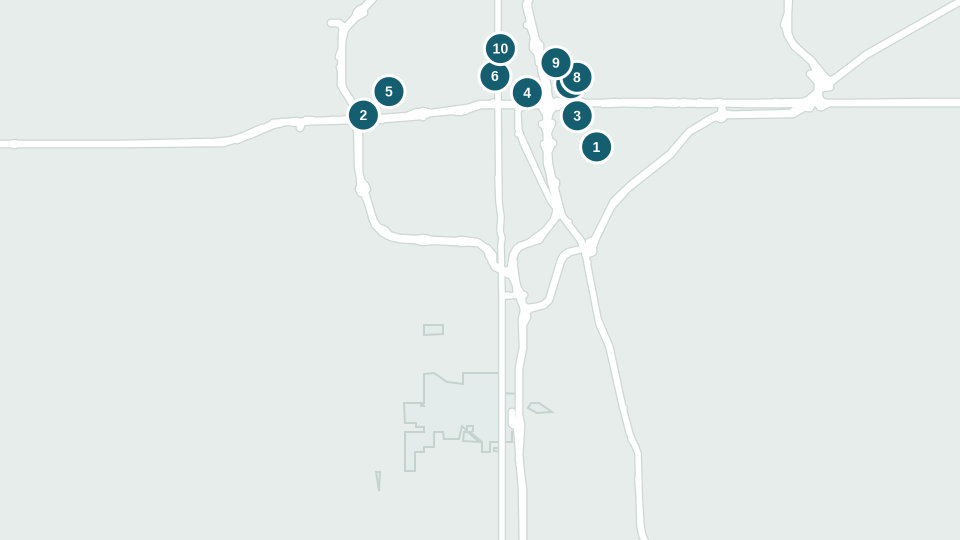
If you or someone you care about is looking for alcohol rehab in Haysville, Kansas, the closest care options are in nearby Wichita. The first day at a program usually starts with an intake appointment, where a counselor will ask about your drinking history, health and any other needs. From there, the program will suggest a plan, which may include individual or group therapy, outpatient sessions or a more structured residential stay.
Call each program ahead of time to confirm its admission process, hours and which types of alcohol treatment it provides.

Detox is the medically supervised process of stopping alcohol use. It usually lasts a few days to a week and is focused on managing withdrawal symptoms. Residential (inpatient) care means you live at the facility 24/7 for a set period, typically 30 to 90 days.
Outpatient care allows you to live at home while attending therapy sessions, often a few hours per week. The choice depends on the severity of your drinking, your home environment, and whether you have medical or mental health conditions that need daily monitoring.
On your first call, ask: 'What is your policy on using prescription medications like naltrexone or acamprosate to support recovery?' Also ask: 'Do you offer individual therapy sessions, and how often are they scheduled?' Finally, confirm: 'What does a typical daily schedule look like in your program?'
Private insurance plans are widely accepted at alcohol rehab centers throughout Kansas; it is advisable to contact the facility to verify your specific plan's coverage. Public assistance through KanCare (Kansas Medicaid) may be available for those who qualify, but eligibility and facility acceptance must be confirmed in advance. Sliding-scale payment structures are offered by some centers to reduce costs based on income, and self-pay is another common option for covering treatment expenses.
When deciding between nearby programs, look at three concrete factors. First, check the length of the program—some centers offer 30-day stays while others offer 60 or 90 days; longer stays often lead to better outcomes for heavy alcohol use. Second, ask about the staff-to-client ratio—smaller groups usually mean more individual attention.
Third, confirm if the program addresses any co-occurring conditions like depression or anxiety, because treating both together is more effective.
If you or someone you care about is looking for alcohol rehab in Haysville, Kansas, the closest care options are in nearby Wichita.

Severe alcohol withdrawal is a medical emergency. If you are experiencing confusion, rapid heart rate, seizures, or hallucinations, call 911 or go to the nearest emergency room immediately. Do not try to stop drinking suddenly without medical supervision if you have been drinking heavily for a long time.
If you or someone else is in immediate danger, call 911 now.
4035 East Harry Street, Wichita, KS, 67218
Active
650 South Westdale Drive, Wichita, KS, 67209
Active
714 South Hillside Street, Wichita, KS, 67211
Active
236 South Pattie Street, Wichita, KS, 67211
Active
3737 West Douglas Avenue, Wichita, KS, 67213
Active
247 North Market Street, Wichita, KS, 67202
Active
2924 East Douglas Avenue, Wichita, KS, 67214
Active
212 North Hillside Street, Wichita, KS, 67214
Active
527 North Grove Street, Wichita, KS, 67214
Active
933 North Topeka Street, Wichita, KS, 67214
Active
These lists use only what the 10 active facilities listed for Haysville report to SAMHSA's FindTreatment.gov. No facility pays to be included or can ask to be moved. Reporting more options is not a measure of quality, outcomes or suitability for any person. A missing option means the facility did not report it to the source, not that it is not offered. Call the facility to confirm everything before relying on it.
How this list is made: each facility scores one point for each of these 5 levels of care (settings) it reports to SAMHSA's FindTreatment.gov (Residential (24-hour); Outpatient; Intensive outpatient; Partial hospitalization / day treatment; Hospital inpatient). A facility needs at least 3 to appear. Facilities are shown from the highest count to the lowest; facilities with the same count are in alphabetical order, which has no other meaning. Up to 10 are shown.
How this list is made: each facility scores one point for each of these 7 payment and cost-assistance options it reports to SAMHSA's FindTreatment.gov (Medicaid; Medicare; Private health insurance; Military insurance (TRICARE); Cash or self-payment; Sliding fee scale; Payment assistance). A facility needs at least 4 to appear. Facilities are shown from the highest count to the lowest; facilities with the same count are in alphabetical order, which has no other meaning. Up to 10 are shown.
How this list is made: each facility scores one point for each of these 4 medications used in treatment it reports to SAMHSA's FindTreatment.gov (Buprenorphine; Methadone; Naltrexone; Medication for alcohol use disorder). A facility needs at least 2 to appear. Facilities are shown from the highest count to the lowest; facilities with the same count are in alphabetical order, which has no other meaning. Up to 10 are shown.
How this list is made: each facility scores one point for each of these 12 age groups and client groups accepted it reports to SAMHSA's FindTreatment.gov (Adolescents; Young adults; Adults; Seniors; Pregnant or postpartum women; Adult women; Adult men; Veterans; Active duty military; Criminal justice clients; Clients who have experienced trauma; Co-occurring mental and substance use disorders). A facility needs at least 5 to appear. Facilities are shown from the highest count to the lowest; facilities with the same count are in alphabetical order, which has no other meaning. Up to 10 are shown.
The closest alcohol treatment options are in Wichita, about 10 to 15 miles north. You can call any program directly to ask about its services, how to get started and whether it offers outpatient or residential care.
Ask what services the program provides, whether it offers counseling or medication to treat alcohol use, what the daily schedule looks like, how long treatment lasts and what insurance or payment options are accepted.
Program lengths vary. Detox can take 5 to 7 days. Residential treatment often lasts 30, 60, or 90 days. Outpatient programs can run for several months, with sessions tapering off over time.
Yes, some programs are designed for this. Outpatient care allows you to attend therapy during the day or evening and return home. Residential programs require you to live at the facility, so you would need to arrange time away.
Some programs offer sliding-scale fees based on income. There are also state-funded or nonprofit rehab centers that provide low-cost or free care. You can search for these resources through your local health department.
Last updated