 Sentinel Alcohol Detox
Medasic
1.7 mi, Greer300 John Street, Suite 4-B, Greer, SC, 29651
Active
- Outpatient
- Medication-assisted treatment
- Medicaid
- Medicare
City
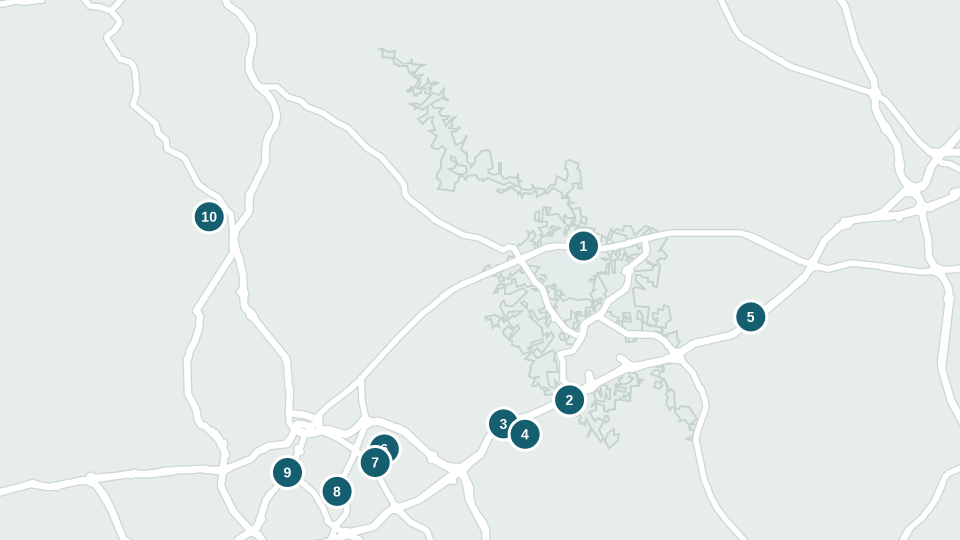
10 options near Greer, SC, nearest first. Compare services and locations, then call to check availability.
This number connects to our central helpline, not directly to a listed facility.
If you are looking for alcohol rehab in or near Greer, the first step usually involves a phone call or an online inquiry to learn about a program's approach and intake process. Before you arrange a visit, call to ask what assessment steps are required, what level of care is recommended, and what documentation you will need to bring. Many programs will schedule a face-to-face evaluation to discuss your history and begin building a treatment plan.

The three main levels are detox, residential, and outpatient. Detox is short-term medical care for when your body is physically dependent and you risk seizures or delirium if you stop abruptly. Residential is a live-in program with individual and group counseling, often for 30 to 90 days.
Outpatient means you visit a clinic or attend telehealth sessions two to five times per week, keeping your work and family schedule. You might start with a phone screening by a substance abuse professional who will recommend one level over another. Some programs offer a step-down approach, moving you to less intensive care as you improve.
"What is your typical daily schedule, and do you offer individual therapy in addition to groups?"
Across South Carolina, individuals seeking care at alcohol rehab centers often use private health insurance from an employer or the marketplace. For those who qualify, public options like Medicare or state-specific Medicaid can offer coverage, though eligibility must be confirmed before enrollment. Many facilities also provide sliding-scale fees based on income, and self-pay arrangements are commonly available for those who prefer to pay out of pocket.
It's essential to directly verify with any facility what payment methods they accept.
Reach our free, confidential helpline any time, day or night.
A short conversation helps match you with the right level of care.
If needed, withdrawal is managed safely under medical supervision.
You leave with a clear plan for ongoing treatment and support.
Start by calling at least three different centers. Ask each one about their staff credentials, success rates they track, and any alumni support groups. Compare the length of their program; some are fixed at 30 days, others are flexible based on progress.
Consider whether you want a gender-specific program or one that allows family involvement. Read online reviews but take them with caution, as people often only post when they are very angry or very happy. Trust your gut after speaking with the admissions person.
If a program pressures you to commit immediately, that is a warning sign.
If you are looking for alcohol rehab in or near Greer, the first step usually involves a phone call or an online inquiry to learn about a program's approach and intake process.

Severe alcohol withdrawal can kill you. Signs to watch for: shaking that will not stop, rapid heartbeat, confusion, fever, or seeing things that are not there. If you or someone else has these symptoms, call 911 right now.
Do not wait. Do not drive yourself. The emergency room can give medicines like benzodiazepines to prevent seizures and keep you safe.
After your body is stabilized, the hospital social worker can help you find a treatment center.
If you or someone else is in immediate danger, call 911 now.
300 John Street, Suite 4-B, Greer, SC, 29651
Active
2700 East Phillips Road, Greer, SC, 29650
Active
47 Fisherman Lane, Greenville, SC, 29615
Active
157 Brozzini Court, Suite C, Greenville, SC, 29615
Active
325 Inglesby Parkway, Unit F, Duncan, SC, 29334
Active
602 Airport Road, Suite C, Greenville, SC, 29607
Active
130 Industrial Drive, Suite 130, Greenville, SC, 29607
Active
1400 Cleveland Street, Greenville, SC, 29607
Active
16 Mills Avenue, Suite 8, Greenville, SC, 29605
Active
1 Havenwood Lane, Travelers Rest, SC, 29690
Active
These lists use only what the 10 active facilities listed for Greer report to SAMHSA's FindTreatment.gov. No facility pays to be included or can ask to be moved. Reporting more options is not a measure of quality, outcomes or suitability for any person. A missing option means the facility did not report it to the source, not that it is not offered. Call the facility to confirm everything before relying on it.
How this list is made: each facility scores one point for each of these 5 levels of care (settings) it reports to SAMHSA's FindTreatment.gov (Residential (24-hour); Outpatient; Intensive outpatient; Partial hospitalization / day treatment; Hospital inpatient). A facility needs at least 3 to appear. Facilities are shown from the highest count to the lowest; facilities with the same count are in alphabetical order, which has no other meaning. Up to 10 are shown.
How this list is made: each facility scores one point for each of these 7 payment and cost-assistance options it reports to SAMHSA's FindTreatment.gov (Medicaid; Medicare; Private health insurance; Military insurance (TRICARE); Cash or self-payment; Sliding fee scale; Payment assistance). A facility needs at least 4 to appear. Facilities are shown from the highest count to the lowest; facilities with the same count are in alphabetical order, which has no other meaning. Up to 10 are shown.
How this list is made: each facility scores one point for each of these 4 medications used in treatment it reports to SAMHSA's FindTreatment.gov (Buprenorphine; Methadone; Naltrexone; Medication for alcohol use disorder). A facility needs at least 2 to appear. Facilities are shown from the highest count to the lowest; facilities with the same count are in alphabetical order, which has no other meaning. Up to 10 are shown.
How this list is made: each facility scores one point for each of these 12 age groups and client groups accepted it reports to SAMHSA's FindTreatment.gov (Adolescents; Young adults; Adults; Seniors; Pregnant or postpartum women; Adult women; Adult men; Veterans; Active duty military; Criminal justice clients; Clients who have experienced trauma; Co-occurring mental and substance use disorders). A facility needs at least 5 to appear. Facilities are shown from the highest count to the lowest; facilities with the same count are in alphabetical order, which has no other meaning. Up to 10 are shown.
The first call is usually a conversation where you can ask about the program's approach, services, and admission requirements. The program will likely ask about your situation and may schedule an in-person assessment to determine the appropriate level of care.
Start by making a list of programs near you and calling each one to ask about their services, treatment approach, and what they offer for alcohol use concerns. Ask about the credentials of their staff, what a typical day looks like, and whether they have experience with your specific needs.
There is no single answer. Detox is generally short—a few days to a week. Residential programs average about a month but can go longer. Outpatient schedules are flexible, often meeting a few hours a week for several months. Your counselor will help decide when you are ready to step down.
Coverage varies by plan. The best way to find out is to call the phone number on your insurance card and ask if they cover detox, residential, and outpatient alcohol treatment. You can also ask the rehab center's billing department to pre-verify your benefits, which they often do for free.
You can, but you may need to adjust your schedule. If you choose outpatient care, many programs offer evening hours. If you need residential, talk to your human resources department about medical leave—substance use treatment is protected under federal law. Some employers also offer Employee Assistance Programs (EAP) that can help arrange care.
Last updated