 Sentinel Alcohol Detox
2020 Talley Road, Leesburg, FL, 34748
Active
- Hospital inpatient
- Detox
- Medication-assisted treatment
- Medicaid
City
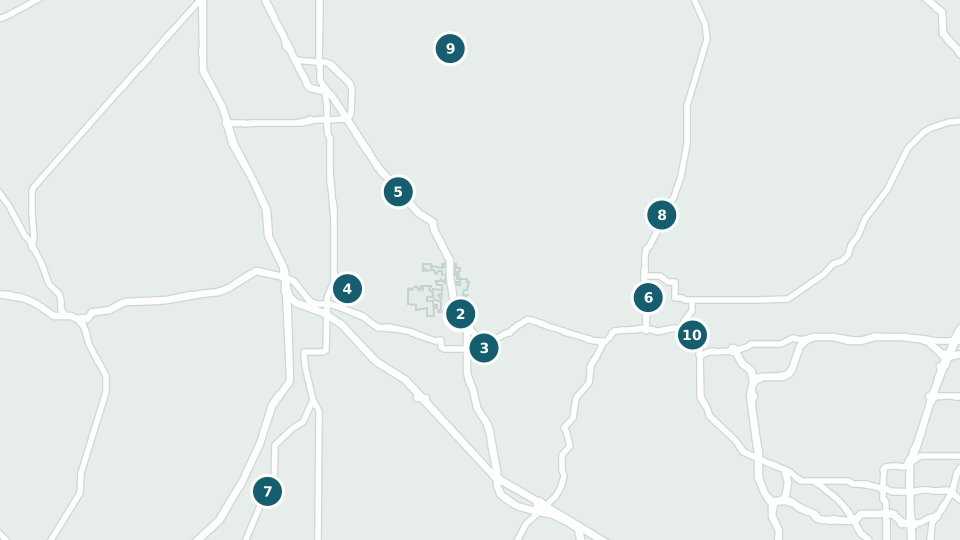
10 options near Fruitland Park, FL, nearest first. Compare services and locations, then call to check availability.
This number connects to our central helpline, not directly to a listed facility.
You will speak with a real person who understands what you are going through.
The call is free and confidential, with no obligation to move forward.
You will leave the call knowing exactly what happens next.
If alcohol has started to run your life, or you are watching someone you love slide deeper into drinking, the hardest part is often just picking up the phone. You are not alone in Fruitland Park. This part of Lake County has real options nearby, and people here reach out for help every day.
The first step usually looks simpler than you fear. You call a facility, answer some questions about how much and how often you drink, and talk about how long it has been since your last drink. Staff use that information to figure out how risky your withdrawal might be and what level of care fits.
Some people start with detox, where nurses and doctors keep you safe while the alcohol leaves your system. Others go straight into counseling and group sessions. Either way, the first day is mostly about intake, paperwork, and letting a stranger get to know your situation so they can help.
One thing to keep in mind: severe withdrawal is a medical emergency. If you or someone near you is having seizures, hallucinations, confusion, or a racing heart, do not wait for a treatment center bed. Call 911 or get to an emergency room right now.
Alcohol withdrawal can turn dangerous fast, and hospital staff can stabilize you before you move on to rehab. For everyone else, the path is slower but steadier. You make a call, you show up, and you let the process begin.
Treatment centers around Fruitland Park, including facilities in Leesburg, Wildwood, Lady Lake, Eustis, Bushnell, and Umatilla, are used to people walking in scared and unsure. They expect that. You do not need to have the right words or a plan figured out.
You just need to start.
Call (877) 712-7713
Think of the three levels as steps, not rivals. Detox handles the physical part: it gets alcohol out of your body safely, with doctors watching for seizures, confusion, and dangerous changes in your heart rate and blood pressure. It usually lasts under a week.
Residential treatment takes over from there. You sleep at the center, follow a full daily schedule of counseling and group work, and stay away from the people and places tied to your drinking. Outpatient treatment covers the same ground but you go home each night.
It costs less and fits around a job, and it is often the choice for people who have already done a residential stay and need continuing support. To choose, ask yourself two questions. Have you had shaking, sweating, or seizures within hours of your last drink?
If yes, you need detox first. Can you stay sober at home between sessions? If you honestly cannot, residential beats outpatient every time.
Call (877) 712-7713Round-the-clock medical monitoring while your body clears alcohol safely.
You live on site for weeks, with therapy and structure every day.
Scheduled sessions while you keep living at home and working.
Ongoing support and check-ins that help sobriety last.
Write your questions down before you dial, because the call will move fast and you'll be nervous. The ones worth asking: Is there space available right now, and if not, when? Do you offer medically supervised detox, or do I need to go somewhere else first?
What does this cost, what insurance do you accept, and is there a payment plan? Who will actually be treating me, doctors and licensed counselors or peer support staff? What's a typical day like once I'm in?
How long do people usually stay? What happens if I want to leave early? What support exists after I finish?
You can also tell them honestly how much you drink and how you feel when you stop. The more they know, the better they can tell you whether their program fits you.
Across Florida, payment for alcohol rehab typically comes from a mix of sources. Private health insurance remains the most common route, and policies sold through employers or the health insurance marketplace frequently include behavioral health benefits that apply to addiction treatment. Beyond private plans, Florida Medicaid serves as the primary public coverage program for residents who meet its income and eligibility criteria, and it can assist with covered substance use treatment services.
People who are uninsured or underinsured often find that providers in the state offer sliding-scale fees, where the amount charged depends on what a person can reasonably afford. Finally, self-pay arrangements allow individuals or families to fund treatment directly, which some choose for the sake of privacy or flexibility.
Reach our free, confidential helpline any time, day or night.
A short conversation helps match you with the right level of care.
If needed, withdrawal is managed safely under medical supervision.
You leave with a clear plan for ongoing treatment and support.
Use a short checklist when you're weighing nearby options. One: does the level of care match your need? Detox requires medical supervision; if a facility can't provide it, it's the wrong starting point.
Two: what's the actual availability? Ask for a date, not a place on a waitlist. Three: cost after insurance.
Two centers can differ by thousands of dollars for the same length of stay, so get the number in writing if you can. Four: staff credentials. Licensed clinicians and medical providers should be running treatment.
Five: the schedule and length. Programs range from a couple of weeks to several months, and longer stays tend to give more stability, but only if you can realistically commit. Six: aftercare.
Does the center set up ongoing counseling, peer meetings, or follow-up appointments before you leave? If two options tie on everything else, pick the one whose people treated you better on the phone. You will spend weeks talking to them.
If alcohol has started to run your life, or you are watching someone you love slide deeper into drinking, the hardest part is often just picking up the phone.

Severe alcohol withdrawal is a medical emergency, not a rough night that you sleep off. Call 911 immediately if there is a seizure, hallucinations, deep confusion, a pounding or racing heart, high fever, or severe trembling. The same goes for anyone who stops drinking and then becomes agitated, disoriented, or unresponsive.
Don't drive yourself if you're the one who's sick; you may worsen quickly. Go to the nearest emergency room or let the ambulance take you. Once there, be straight with the staff: how much alcohol, how often, and when the last drink was.
They are not there to judge you and they will not call the police for drinking. They can give medicine that prevents seizures and steadies your body while the alcohol clears. If you are reading this in time to plan ahead, know that anyone at risk of these symptoms should detox under medical care, never alone at home.
If you or someone else is in immediate danger, call 911 now.
Call (877) 712-77132020 Talley Road, Leesburg, FL, 34748
Active
2018 Tally Road, Leesburg, FL, 34748
Active
704 Doctors Court, Leesburg, FL, 34748
Active
7330 Powell Road, Wildwood, FL, 34785
Active
13940 U.S. Highway 441, Unit 703, Lady Lake, FL, 32159
Active
201 East Magnolia Avenue, Eustis, FL, 32726
Active
119 North Market Street, Bushnell, FL, 33513
Active
633 Umatilla Boulevard, Umatilla, FL, 32784
Active
14835 SE 85th Street, Ocklawaha, FL, 32179
Active
19650 U.S. 441, Mount Dora, FL, 32757
Active
These lists use only what the 10 active facilities listed for Fruitland Park report to SAMHSA's FindTreatment.gov. No facility pays to be included or can ask to be moved. Reporting more options is not a measure of quality, outcomes or suitability for any person. A missing option means the facility did not report it to the source, not that it is not offered. Call the facility to confirm everything before relying on it.
How this list is made: each facility scores one point for each of these 5 levels of care (settings) it reports to SAMHSA's FindTreatment.gov (Residential (24-hour); Outpatient; Intensive outpatient; Partial hospitalization / day treatment; Hospital inpatient). A facility needs at least 3 to appear. Facilities are shown from the highest count to the lowest; facilities with the same count are in alphabetical order, which has no other meaning. Up to 10 are shown.
How this list is made: each facility scores one point for each of these 7 payment and cost-assistance options it reports to SAMHSA's FindTreatment.gov (Medicaid; Medicare; Private health insurance; Military insurance (TRICARE); Cash or self-payment; Sliding fee scale; Payment assistance). A facility needs at least 4 to appear. Facilities are shown from the highest count to the lowest; facilities with the same count are in alphabetical order, which has no other meaning. Up to 10 are shown.
How this list is made: each facility scores one point for each of these 4 medications used in treatment it reports to SAMHSA's FindTreatment.gov (Buprenorphine; Methadone; Naltrexone; Medication for alcohol use disorder). A facility needs at least 2 to appear. Facilities are shown from the highest count to the lowest; facilities with the same count are in alphabetical order, which has no other meaning. Up to 10 are shown.
How this list is made: each facility scores one point for each of these 12 age groups and client groups accepted it reports to SAMHSA's FindTreatment.gov (Adolescents; Young adults; Adults; Seniors; Pregnant or postpartum women; Adult women; Adult men; Veterans; Active duty military; Criminal justice clients; Clients who have experienced trauma; Co-occurring mental and substance use disorders). A facility needs at least 5 to appear. Facilities are shown from the highest count to the lowest; facilities with the same count are in alphabetical order, which has no other meaning. Up to 10 are shown.
The first day is mostly intake. You answer questions about your drinking history, your health, and when you last drank. Staff use that to decide whether you need detox first or can start counseling right away. There is paperwork, but the goal is to figure out how to keep you safe and get you into the right level of care.
If you drink heavily every day, or you have felt sick, shaky, or sweaty when you stop drinking, detox may be the safer first step. Severe withdrawal is dangerous. If you have seizures, hallucinations, confusion, or a racing heart, call 911 or go to an emergency room immediately rather than waiting for a rehab bed.
No, and in fact stopping on your own first can be dangerous if you drink heavily. Many programs have detox as the first step, so you enter while still drinking and are withdrawn safely under medical care. If a center doesn't offer detox, they can usually tell you where to get it and coordinate the transfer. Be honest on the phone about how much you drink daily so they can place you correctly.
Most programs expect setbacks and have a plan for them rather than simply throwing you out. A single drink usually leads to a conversation, a look at what triggered it, and sometimes a treatment adjustment. What matters is telling staff right away instead of hiding it, because drinking while in certain medications or in early recovery can be medically risky. Ask any program you're considering directly how they handle relapse during treatment; the answer tells you a lot about them.
For a heavy daily drinker, no, and it can be genuinely dangerous. Alcohol withdrawal is one of the few that can be fatal, causing seizures, hallucinations, and dangerous heart and blood pressure changes. If you drink heavily, or if you've ever had shakes or seizures when you stopped, detox needs medical supervision, either at a detox facility or a hospital. At most, only very light drinkers who feel mildly unwell might manage at home, and even then, checking with a doctor first is the safe move. If severe symptoms appear, call 911.
Last updated