 Sentinel Alcohol Detox
2435 Ridge Road, Sute 107, Rockwall, TX, 75087
Active
- Outpatient
- Medication-assisted treatment
- Medicaid
- Medicare
City
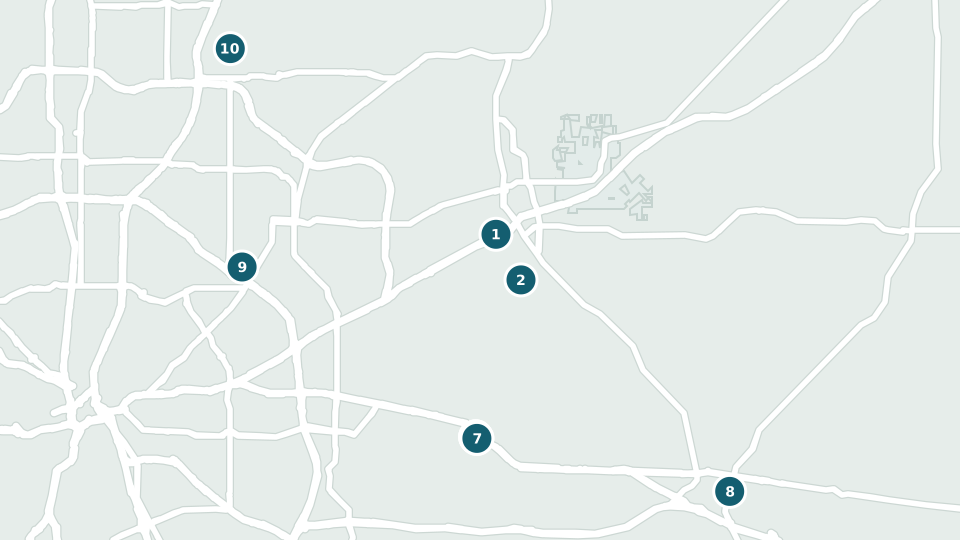
10 options near Fate, TX, nearest first. Compare services and locations, then call to check availability.
Call (877) 712-7713Free · ConfidentialThis number connects to our central helpline, not directly to a listed facility.
You will speak with a real person who understands what you are going through.
The call is free and confidential, with no obligation to move forward.
You will leave the call knowing exactly what happens next.
This page lists 10 facilities to help compare options near Fate, TX.
Call (877) 712-7713
Think of the levels as rungs on a ladder, and you enter at the rung matching how serious things are right now. Detox is the bottom rung and the most urgent. It exists because heavy, regular drinking changes your body chemistry, and sudden stopping can trigger seizures, confusion, dangerous heart rates and hallucinations.
In detox, typically five days or so, clinicians give you medication to ease those symptoms and monitor you until you are stable. Residential, sometimes called inpatient rehab, is the middle rung. You move in for twenty-eight to ninety days, live with others in recovery, and spend your days in individual counseling, group therapy and relapse-prevention work.
The point is removing you from triggers long enough to build new habits. Outpatient is the top rung, and it comes in intensities, from all-day programs several days a week down to one or two evening sessions. You stay at home and practice what you learn in real life.
Choosing between them comes down to honesty about two things: how sick you get when you stop, and how controlled your daily environment is. Bad withdrawal symptoms mean detox. A home or social circle soaked in drinking means residential.
A supportive home and a milder pattern mean outpatient, possibly after detox.
Call (877) 712-7713Round-the-clock medical monitoring while your body clears alcohol safely.
You live on site for weeks, with therapy and structure every day.
Scheduled sessions while you keep living at home and working.
Ongoing support and check-ins that help sobriety last.
The questions worth asking fall into three buckets: safety, cost and fit. On safety, ask whether the detox is medically supervised, who is on staff overnight, whether they can treat withdrawal complications on site or would send you to a hospital, and whether they handle other medical problems like high blood pressure or depression alongside the drinking. On cost, ask what insurance they accept, whether they verify your benefits before you commit, what a self-pay rate is, and whether financial aid exists.
On fit, ask how long the program runs, whether you can keep taking prescribed medications, what the daily schedule looks like, how they involve family, and what they do for people who have tried rehab before and relapsed. Ask, too, what a discharged patient's first week looks like, since that week is when relapse risk is highest. If the answers are vague on safety or cost, that is useful information too; thank them and call the next place.
Cost is one of the first questions families ask when looking into alcohol rehab in Texas, and there are several common ways to cover it. Private insurance is a frequent starting point, as policies obtained through an employer, the Marketplace, or directly from an insurer often include behavioral health benefits that apply to alcohol treatment. For residents who meet income and eligibility requirements, Texas Medicaid provides public coverage that may include substance use services.
People who are uninsured or underinsured frequently find that facilities offer sliding-scale fees, which reduce charges according to financial need. Self-pay with cash, card, or financing is also widely used by those who choose not to use insurance or do not have it.
Reach our free, confidential helpline any time, day or night.
A short conversation helps match you with the right level of care.
If needed, withdrawal is managed safely under medical supervision.
You leave with a clear plan for ongoing treatment and support.
When you are comparing programs near each other, score each on six things and let the total decide. One, safety staffing: nurses on site at all hours for detox, with a doctor reachable immediately. Two, credentials: state license plus national accreditation, and counselors who are certified addiction specialists rather than generalists.
Three, fit to your life: hours that work with your job, a location you can get to daily if outpatient, rules about phones and visitors that you can honestly live with. Four, dual-diagnosis ability: the willingness and staff to treat depression, anxiety, PTSD or chronic pain alongside the alcohol, since these drive most relapse. Five, track record with people like you: ask how many of their patients have been through detox before, or are over fifty, or are women, or whatever describes you, and listen for a real answer.
Six, cost clarity: a written estimate before admission, verified insurance benefits, no surprise bills. Then apply the tiebreakers. If two programs tie, pick the one you can start sooner, because motivation fades fast.
If they still tie, pick the one where the person on the phone treated you like a human rather than a sales prospect, because that culture shows up in every interaction once you are inside.
This page lists 10 facilities to help compare options near Fate, TX.

Take withdrawal seriously as an emergency situation. A heavy drinker who stops suddenly can go from feeling edgy and shaky to seizing or hallucinating within hours, and that escalation is deadly, not just miserable. The signs that mean call 911 or get to an emergency room now: any seizure, even one; hallucinations, meaning seeing, hearing or feeling things that are not real; confusion about where you are or who people are; a pulse racing over about 120 beats per minute; high blood pressure; fever; drenching sweats; or vomiting that prevents keeping fluid down.
If the person is shaking hard, agitated, or has stopped making sense, do not assume sleep will fix it. Emergency departments have the medication to bring withdrawal under control quickly and safely, and they see alcohol withdrawal constantly. On the phone with 911, say it is alcohol withdrawal, say how much the person drinks daily and for how many years, and mention any other drugs or medications involved.
That information is treatment-critical, and nobody will call the police over it. Do not leave the person alone, and lock away car keys if they are confused. If things are bad but not at that level, with tremors and anxiety but clear thinking, that can still turn fast, so the safest move is still to be seen tonight, either at an ER or by calling a detox program for an immediate assessment.
The window of danger is the first two or three days, and symptoms can spike on day two even after a calm day one. Getting through it medically supervised is the point of detox, and surviving tonight is step one of everything else.
If you or someone else is in immediate danger, call 911 now.
Call (877) 712-77132435 Ridge Road, Sute 107, Rockwall, TX, 75087
Active
1 Horizon Court, Suite B, Rockwall, TX, 75032
Active
713 West Broad Street, Suite 200, Forney, TX, 75126
Active
713 West Broad Street, Suite 200, Forney, TX, 75126
Active
713 West Broad Street, Suite 100, Forney, TX, 75126
Active
711 West Broad Street, Suite 237, Forney, TX, 75126
Active
711 West Broad Street, Suite 100-J, Forney, TX, 75126
Active
400 Airport Road, Terrell, TX, 75160
Active
2848 West Kingsley Road, Suite B, Garland, TX, 75041
Active
- - -, Plano, TX, 75074
Active
These lists use only what the 10 active facilities listed for Fate report to SAMHSA's FindTreatment.gov. No facility pays to be included or can ask to be moved. Reporting more options is not a measure of quality, outcomes or suitability for any person. A missing option means the facility did not report it to the source, not that it is not offered. Call the facility to confirm everything before relying on it.
How this list is made: each facility scores one point for each of these 5 levels of care (settings) it reports to SAMHSA's FindTreatment.gov (Residential (24-hour); Outpatient; Intensive outpatient; Partial hospitalization / day treatment; Hospital inpatient). A facility needs at least 3 to appear. Facilities are shown from the highest count to the lowest; facilities with the same count are in alphabetical order, which has no other meaning. Up to 10 are shown.
How this list is made: each facility scores one point for each of these 7 payment and cost-assistance options it reports to SAMHSA's FindTreatment.gov (Medicaid; Medicare; Private health insurance; Military insurance (TRICARE); Cash or self-payment; Sliding fee scale; Payment assistance). A facility needs at least 4 to appear. Facilities are shown from the highest count to the lowest; facilities with the same count are in alphabetical order, which has no other meaning. Up to 10 are shown.
How this list is made: each facility scores one point for each of these 4 medications used in treatment it reports to SAMHSA's FindTreatment.gov (Buprenorphine; Methadone; Naltrexone; Medication for alcohol use disorder). A facility needs at least 2 to appear. Facilities are shown from the highest count to the lowest; facilities with the same count are in alphabetical order, which has no other meaning. Up to 10 are shown.
How this list is made: each facility scores one point for each of these 12 age groups and client groups accepted it reports to SAMHSA's FindTreatment.gov (Adolescents; Young adults; Adults; Seniors; Pregnant or postpartum women; Adult women; Adult men; Veterans; Active duty military; Criminal justice clients; Clients who have experienced trauma; Co-occurring mental and substance use disorders). A facility needs at least 5 to appear. Facilities are shown from the highest count to the lowest; facilities with the same count are in alphabetical order, which has no other meaning. Up to 10 are shown.
If someone is shaking hard, hallucinating, confused, or has a racing heart after stopping or cutting back on alcohol, call 911 or get to the nearest emergency room right away. Alcohol withdrawal can turn dangerous fast, and ER staff can treat it safely.
Most programs start with a phone call or walk-in screening where a staff member asks about drinking history, health, and support at home. From there they talk through the level of care that fits, whether that starts with detox or another step, so you are not left guessing.
Policies vary a lot, so ask directly when you call. Many residential programs restrict phone access and outside contact for the first several days, so you can settle in without pressure from your usual life. Visits often start after the first week, sometimes with family counseling sessions built in. Outpatient programs have no restrictions since you live at home. If staying reachable matters for your job or family, say so upfront; some programs can work around it and some cannot.
Rehab programs are covered by confidentiality rules, and they do not call your employer. What you disclose at work is your decision. Many people use sick leave or short-term disability for the time away, and a doctor's note saying you are under medical care is usually all an employer needs. If you are in a safety-sensitive job or a profession with its own monitoring program, the rules differ, so ask the program's intake staff, who deal with this question weekly. Outpatient evening programs exist partly so people can keep working uninterrupted.
Yes, and a previous attempt is not evidence that treatment does not work for you. Many people need more than one episode of care, and each round teaches you something specific, like which situations, feelings or people pull you back. When you go in again, tell the staff exactly what happened last time, including how long you stayed sober and what preceded the relapse, because that shapes a better plan. Sometimes the missing piece is not more willpower but a different level of care, such as residential instead of outpatient, or treatment for an underlying issue like depression or chronic pain that was never addressed.
Last updated