 Sentinel Alcohol Detox

1514 Wealthy Street SE, Suite 242, Grand Rapids, MI, 49506
Active
- Outpatient
- Medicaid
- Medicare
- Private insurance
City
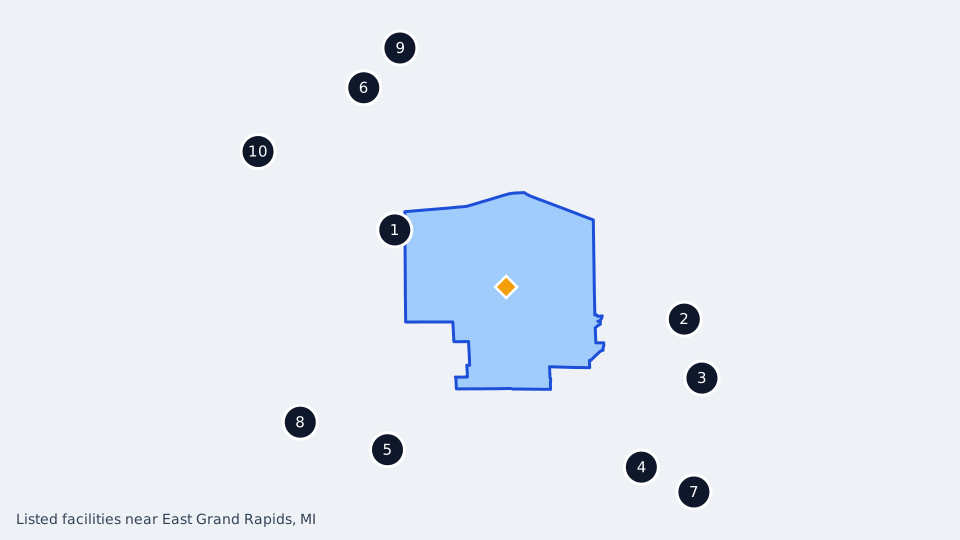
10 options near East Grand Rapids, MI, nearest first. Compare services and locations, then call to check availability.
This number connects to our central helpline, not directly to a listed facility.
You will speak with a real person who understands what you are going through.
The call is free and confidential, with no obligation to move forward.
You will leave the call knowing exactly what happens next.
If you are looking for help with alcohol use in or near East Grand Rapids, you are taking a real step forward. The first day of care usually starts with an assessment to understand your situation and goals. This helps the program create a plan that fits you, whether that involves counseling, group support, or other services.
Many programs in the area accept walk-ins or scheduled intake, so you can begin the process without delay.
Call (877) 712-7713
Detox is medical monitoring while alcohol leaves your body. It lasts a few days to a week and handles physical withdrawal. Residential means living at the facility full-time for weeks or months, with daily therapy.
Outpatient lets you live at home and attend sessions a few times a week. You choose based on how much structure you need. If your drinking is heavy or you have had withdrawal before, start with detox.
If you can manage daily life but need support, outpatient might be enough.
Call (877) 712-7713Round-the-clock medical monitoring while your body clears alcohol safely.
You live on site for weeks, with therapy and structure every day.
Scheduled sessions while you keep living at home and working.
Ongoing support and check-ins that help sobriety last.
What levels of care do you offer, and can I move between them if I need more or less support?
For alcohol rehab centers in Michigan, payment typically involves private health insurance plans, which often cover a portion of treatment costs depending on your policy's out-of-pocket limits and network providers. Public coverage, such as Medicaid or Medicare, may also be available for eligible residents, but always verify coverage with both the rehab center and your insurer before admission. Many facilities offer sliding-scale fees based on income, and self-pay options are common, with some providing payment plans.
Since policies vary, confirm all financial details directly with the facility to understand your final costs and any upfront deposits required.
Reach our free, confidential helpline any time, day or night.
A short conversation helps match you with the right level of care.
If needed, withdrawal is managed safely under medical supervision.
You leave with a clear plan for ongoing treatment and support.
Look at what each program requires for admission. Some need a detox note from a doctor; others do their own assessment. Ask about the daily schedule.
A good program has a mix of therapy, education and free time. Compare how long the program lasts. Some residential stays are 28 days; others go 90 days or more.
Outpatient programs vary by hours per week. Choose a program that fits your life, not just your calendar. If you have dual-diagnosis issues like depression or anxiety, find a program that treats both.
If you are looking for help with alcohol use in or near East Grand Rapids, you are taking a real step forward.

Severe alcohol withdrawal can be life-threatening. Confusion, rapid heartbeat, seizures, or hallucinations mean you need emergency medical help immediately. Do not wait to see if it passes.
Call 911 or go to the nearest emergency room. Do not try to detox on your own if you have a history of heavy drinking. Medical staff can make withdrawal safer with medications and monitoring.
You are not bothering anyone by going to the ER for this.
If you or someone else is in immediate danger, call 911 now.
Call (877) 712-77131514 Wealthy Street SE, Suite 242, Grand Rapids, MI, 49506
Active
1179 East Paris Avenue SE, Suite 100, Grand Rapids, MI, 49546
Active
4065 East Hills Court SE, Grand Rapids, MI, 49546
Active
3501 Lake Eastbrook Boulevard SE, Suite 150, Grand Rapids, MI, 49546
Active
2303 Kalamazoo Avenue SE, Grand Rapids, MI, 49507
Active
790 Fuller Avenue NE, Grand Rapids, MI, 49503
Active
3950 Sparks Drive, Suite 103, Grand Rapids, MI, 49546
Active
2080 Union Avenue SE, Suite B, Grand Rapids, MI, 49507
Active
1115 Ball Avenue NE, Outpatient Counseling Services, Grand Rapids, MI, 49505
Active
324 Lyon Street NE, Grand Rapids, MI, 49503
Active
Free and confidential. Call any time.
These lists use only what the 10 active facilities listed for East Grand Rapids report to SAMHSA's FindTreatment.gov. No facility pays to be included or can ask to be moved. Reporting more options is not a measure of quality, outcomes or suitability for any person. A missing option means the facility did not report it to the source, not that it is not offered. Call the facility to confirm everything before relying on it.
How this list is made: each facility scores one point for each of these 7 payment and cost-assistance options it reports to SAMHSA's FindTreatment.gov (Medicaid; Medicare; Private health insurance; Military insurance (TRICARE); Cash or self-payment; Sliding fee scale; Payment assistance). A facility needs at least 4 to appear. Facilities are shown from the highest count to the lowest; facilities with the same count are in alphabetical order, which has no other meaning. Up to 10 are shown.
How this list is made: each facility scores one point for each of these 4 medications used in treatment it reports to SAMHSA's FindTreatment.gov (Buprenorphine; Methadone; Naltrexone; Medication for alcohol use disorder). A facility needs at least 2 to appear. Facilities are shown from the highest count to the lowest; facilities with the same count are in alphabetical order, which has no other meaning. Up to 10 are shown.
How this list is made: each facility scores one point for each of these 12 age groups and client groups accepted it reports to SAMHSA's FindTreatment.gov (Adolescents; Young adults; Adults; Seniors; Pregnant or postpartum women; Adult women; Adult men; Veterans; Active duty military; Criminal justice clients; Clients who have experienced trauma; Co-occurring mental and substance use disorders). A facility needs at least 5 to appear. Facilities are shown from the highest count to the lowest; facilities with the same count are in alphabetical order, which has no other meaning. Up to 10 are shown.
Bring a photo ID, your insurance card if you have one, a list of any medications you take, and contact information for your primary care doctor if you have one. It can also help to write down any questions you have about the program before you go.
Many programs offer sliding scale fees or can help you find payment options. When you call a facility, ask about their payment options and whether they accept state-funded plans or other assistance programs.
If you have tried to cut back or quit and could not, or if drinking causes problems with work, family or health, rehab may help. A professional can assess the severity of your alcohol use and recommend the right level of care. Trust your gut. If you are asking the question, it may be time to check.
It depends on the level of care. Detox lasts 3 to 7 days. Residential programs range from 28 to 90 days, sometimes longer. Outpatient programs can last 3 to 12 months. Longer stays have better outcomes for many people. Discuss your history with a provider to find the right duration.
Relapse is common and does not mean treatment failed. Many programs offer continuing care or relapse prevention planning. You can return to a higher level of care if needed. Some people find ongoing support groups or therapy helpful. The key is to reach out for help and adjust your plan.
Last updated