 Sentinel Alcohol Detox
La Wellness Home
2428 North Lincoln St, Burbank, CA, 91504
Active
- Detox
- Incidental medical services
- Licensed or certified
- Residential
City
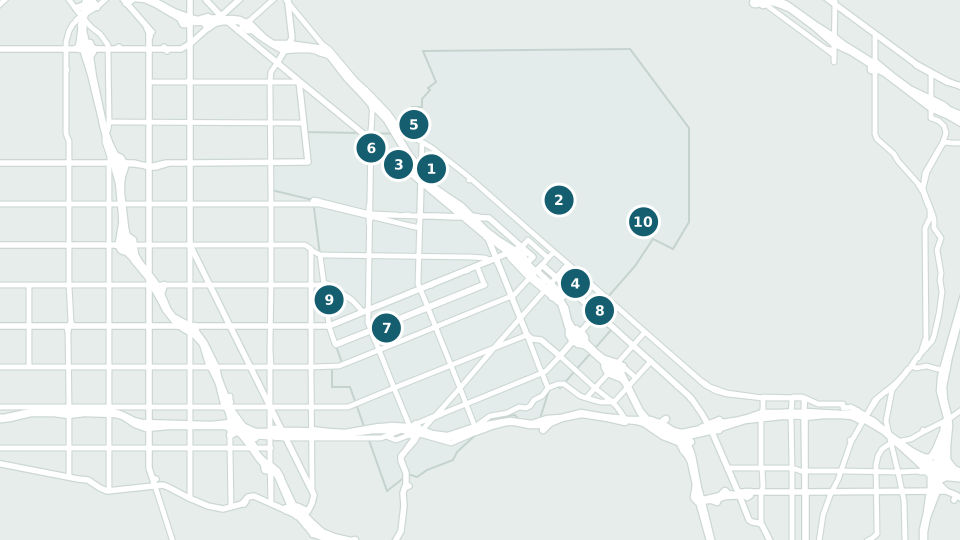
10 options near Burbank, CA, nearest first. Compare services and locations, then call to check availability.
This number connects to our central helpline, not directly to a listed facility.
You will speak with a real person who understands what you are going through.
The call is free and confidential, with no obligation to move forward.
You will leave the call knowing exactly what happens next.
If you are in or near Burbank and searching for alcohol care right now, you are probably worried about your own drinking or someone close to you, and you want to know what happens next. Start with one thing first: if there are seizures, hallucinations, confusion, or a racing heart, alcohol withdrawal is a medical emergency. Call 911 or get to an emergency room right away.
Do not wait to see if it passes. If the situation is not an emergency, the first day usually involves a phone call to a treatment center, some screening questions about drinking history and health, and a talk about when a bed or program could start. Several facilities in Burbank are licensed by the state for residential detox, which means you can stay on site while alcohol leaves your system under supervision.
Others are licensed for non-residential programs, where you live at home and come in for structured treatment instead. You do not have to figure out which one fits on your own. Calling and describing what is happening is enough for staff to point you to the right level of care.
Call (877) 712-7713
Alcohol rehab generally comes in three levels, and the right one depends on how much danger you're in and how much structure you need. Detox is the first stage for anyone who drinks heavily every day or who has tried to stop and gotten sick. It means medical supervision for the few days it takes the alcohol to leave your system, because withdrawal can bring seizures, hallucinations, and a racing heart.
Residential care means you live at the facility for a set period, usually a few weeks, with therapy, group sessions, and no access to alcohol. Outpatient care means you live at home and come in for treatment during the day or evening, which works better for people with a stable home situation and a milder level of dependence. A simple rule: if stopping cold has ever made you physically ill, or if you drink first thing in the morning, start with detox.
If home is full of stress or easy access to alcohol, residential gives you a real break. If you cannot leave work or family for weeks, outpatient lets you keep your life while you get help.
Call (877) 712-7713Round-the-clock medical monitoring while your body clears alcohol safely.
You live on site for weeks, with therapy and structure every day.
Scheduled sessions while you keep living at home and working.
Ongoing support and check-ins that help sobriety last.
When you call a rehab center for the first time, you do not need to know anything fancy. Start with the practical questions. Ask whether they have a bed or a detox spot open now, or how long the wait is.
Ask what the first day looks like, so nothing surprises you. Ask whether they take your insurance and what you'd owe out of pocket if they don't. Then ask about the medical side: who is on staff, can they treat withdrawal with medication, and would you be transferred to a hospital if something goes wrong.
It's fair to ask how long the program runs and what happens after it ends. Finally, ask the one question people forget: what should I bring with me? A good program answers all of this on the first call without pressure.
Residents of California exploring alcohol rehab will find that payment generally falls into a few familiar categories. The first is private insurance, which under both state and federal law must include substance use treatment benefits in most plans, making it the most common way people fund their care. The second is Medi-Cal, the state's publicly funded health coverage program, which serves millions of Californians and is frequently used to pay for addiction treatment.
Third, sliding-scale fees allow those with limited income to pay a reduced rate based on a simple financial assessment. Finally, self-pay remains a straightforward choice for individuals who want confidentiality or whose insurance does not apply, with many programs accepting direct payment by card, check, or financing.
Reach our free, confidential helpline any time, day or night.
A short conversation helps match you with the right level of care.
If needed, withdrawal is managed safely under medical supervision.
You leave with a clear plan for ongoing treatment and support.
Comparing rehab centers comes down to a few concrete things, and you can check most of them on one phone call. First, can they handle your situation? If you need detox, a center without medical staff is out.
Second, can you actually get in? A great program with a three-week wait helps you less than a good one with a bed tomorrow. Third, does the money work?
Get the out-of-pocket number, not vague reassurance. Fourth, look at who treats you: licensed counselors, doctors, nurses, versus a program staffed mostly by volunteers. Fifth, consider the distance from home.
Close to home makes family visits and follow-up care easier; far from home puts distance between you and your usual routine. Neither is automatically right. Also ask what happens after discharge, because the weeks after treatment are when relapse risk is highest, and a center that plans for that is thinking about your future, not just your admission.
If you are in or near Burbank and searching for alcohol care right now, you are probably worried about your own drinking or someone close to you, and you want to know what happens next.

If you or someone near you is going through severe alcohol withdrawal, treat it as a medical emergency right now. The warning signs are seizures, shaking you can't control, hallucinations, seeing or hearing things that aren't there, severe confusion, a racing heart, or fever. Heavy drinkers who stop suddenly can slide from feeling rough to medically dangerous within hours.
Do not wait to see if it passes. Call 911 or get to the nearest emergency room. Tell the medical staff exactly how much has been drinking and when the last drink was, because that changes how they treat it.
Never try to force someone to tough out withdrawal at home, and never let them sober up alone if they've had seizures before. Emergency departments deal with this every day and can give medication that makes withdrawal safer. Getting help fast is the right call, not an overreaction.
If you or someone else is in immediate danger, call 911 now.
Call (877) 712-77132428 North Lincoln St, Burbank, CA, 91504
Active
838 E Fairmount Rd, Burbank, CA, 91501
Active
3003 N San Fernando Blvd, Burbank, CA, 91504
Active
290 East Verdugo Avenue, Suite 105, Burbank, CA, 91502
Active
3057 N Naomi St, Burbank, CA, 91504
Active
3022 N. Hollywood Way, Burbank, CA, 91505
Active
1134 North Lima St, Burbank, CA, 91505
Active
209 E Alameda Avenue, Suite 100 & 102, Burbank, CA, 91502
Active
1527 N. Valley Street, Burbank, CA, 91505
Active
1250 Alta Paseo, Burbank, CA, 91501
Active
It depends on the level of care and how you respond. Medical detox usually takes under a week. Residential programs commonly run a few weeks to a few months, and outpatient programs often run two to three months or longer with sessions a few times a week. Many people move from one level to the next over several months. The honest answer is that it takes as long as it takes to get stable and build habits that hold up at home.
Most health insurance plans cover alcohol treatment to some degree, including detox and counseling, but the details vary a lot. Call the number on the back of your insurance card and ask what's covered, what your deductible is, and which facilities are in network. Then confirm the same things with the rehab center itself before you commit. Get the out-of-pocket number in writing when you can. If you have no insurance, ask about sliding-scale fees or payment plans.
Detox is the short medical process of getting alcohol safely out of your body, usually under a doctor's care for a few days, because sudden withdrawal can cause seizures and other dangerous symptoms. Rehab is the longer work of changing the drinking itself, through counseling, group therapy, and skill-building, either while living at a facility or attending as an outpatient. Detox handles the physical emergency; rehab addresses why the drinking happens and how to stop. Most people who are physically dependent on alcohol need both.
Last updated