 Sentinel Alcohol Detox
515 North Green Street, Suite 402, Brownsburg, IN, 46112
Active
- Outpatient
- Medication-assisted treatment
- Medicaid
- Private insurance
City
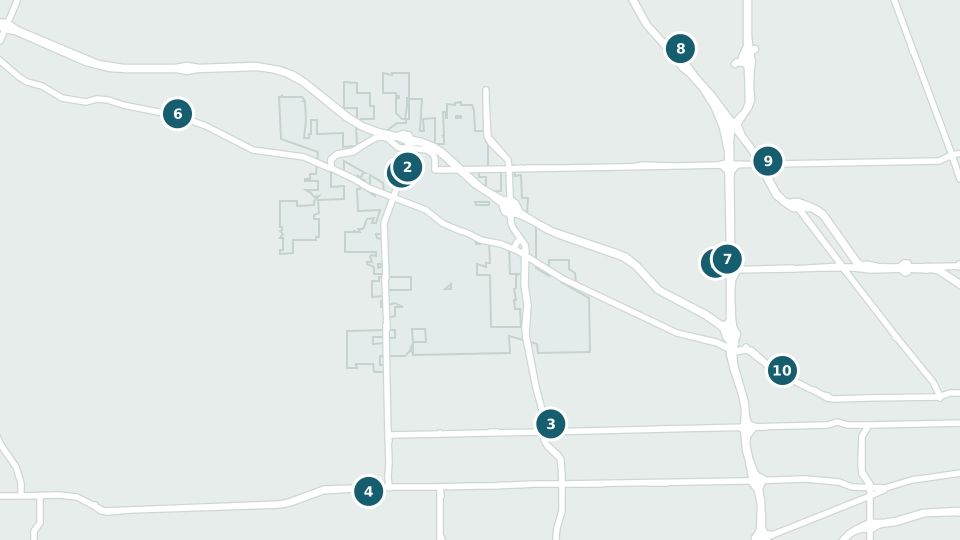
10 options near Brownsburg, IN, nearest first. Compare services and locations, then call to check availability.
This number connects to our central helpline, not directly to a listed facility.
You will speak with a real person who understands what you are going through.
The call is free and confidential, with no obligation to move forward.
You will leave the call knowing exactly what happens next.
If you are looking for alcohol care in Brownsburg right now, you are probably worried about your own drinking or about someone you love, and you need to know what happens next. The first step is usually a phone call or a visit, where a staff member asks about how much and how often alcohol is used, how long it has been that way, and any health problems alongside it. That first conversation is about figuring out how risky withdrawal might be for you and what level of care fits.
From there, the first day often means paperwork, a health check, and talk about what comes next. Some people start with medical detox, where staff watch you closely while the alcohol leaves your system and can treat symptoms like shaking, sweating, or nausea. Others begin with counseling visits a few times a week while living at home.
Which path you take depends on how sick you have been, how much support you have, and what you can manage day to day. One thing never changes: if there are seizures, hallucinations, confusion, or a racing heart right now, that is a medical emergency. Call 911 or get to the nearest emergency room instead of waiting for an appointment.
Brownsburg itself has local options, including the Willow Center and Caring Associates Counseling Group Inc, and there are more choices in Avon, Indianapolis, and Pittsboro within a short drive. You do not have to sort through all of this alone, and you do not have to have everything figured out before you ask for help.
Call (877) 712-7713
Think of alcohol treatment as a ladder with three rungs. Detox is the bottom rung: a short, medically supervised stay that gets alcohol safely out of your system. It is not treatment by itself, but it gets you stable enough to begin the real work.
Residential rehab is the middle rung. You sleep, eat and attend therapy at the facility, usually for several weeks. This is the right fit when home life is chaotic, when you have tried outpatient before and relapsed, or when you need to be somewhere drinking is simply not possible.
Outpatient is the top rung. You keep your job and your bed at home, and you go to the program for a set number of hours each week. Some outpatient programs meet during the day, others in the evening so work is not interrupted.
If your withdrawal risk is low and you have a supportive household, outpatient can work well. If either of those is in doubt, start with detox or residential.
Call (877) 712-7713Round-the-clock medical monitoring while your body clears alcohol safely.
You live on site for weeks, with therapy and structure every day.
Scheduled sessions while you keep living at home and working.
Ongoing support and check-ins that help sobriety last.
A first call to a rehab program is partly an interview, and you are allowed to interview them. Start with the practical questions: what insurance do they accept, what is the daily schedule, and how long is the typical stay. Then go deeper.
Ask who provides medical care and whether a doctor sees patients in person. Ask how they handle withdrawal and whether medication is used to make it safer. Ask what happens after the program ends, and whether they help you find meetings, therapy or a sober living arrangement.
Ask if you can talk to someone who has been through the program. And ask what the total cost is, in dollars, before you sign anything. A program that answers these questions plainly is usually a program that runs well.
Cost is one of the first questions Hoosiers ask when considering alcohol rehab, and several payment paths exist across Indiana. The most common is private insurance, which frequently covers portions of detoxification, residential treatment, and therapy, with the exact scope varying by policy and provider network. The state's public option, Indiana Medicaid, is widely used by eligible residents to fund substance use disorder care at little or no cost to them.
People who are uninsured or underinsured often find that sliding-scale fees, which tie the price of treatment to household income, make rehab more attainable, while straightforward self-pay arrangements, sometimes with installment plans, allow others to fund their treatment directly.
A few yardsticks separate a good rehab choice from a poor one. First, the right level of care: a program that only offers counseling will not help someone who needs medical detox, so match the program to the severity of the drinking problem. Second, licensed staff: counselors and medical providers should hold real credentials, and a doctor should be involved if medication is part of the plan.
Third, fit with your life: check the schedule against your work hours, the location against your ability to get there, and the length of stay against what you can commit to. Fourth, money: get the insurance and cost question settled before admission, not after. Fifth, aftercare: a strong program sets up ongoing therapy, meetings or follow-up appointments before you leave.
If a program falls short on most of these, keep looking.
If you are looking for alcohol care in Brownsburg right now, you are probably worried about your own drinking or about someone you love, and you need to know what happens next.

If heavy drinking stops and the body rebels, the situation can become life-threatening fast. Watch for seizures, seeing or hearing things that are not there, confusion that does not lift, or a heart pounding out of control. Any one of these means call 911 immediately or get to the closest emergency room.
This is not a character test and not something anyone should tough out on the couch. Medical staff can calm withdrawal safely with medication. If it is you who is sick, let someone else drive or wait for the ambulance.
If you or someone else is in immediate danger, call 911 now.
Call (877) 712-7713515 North Green Street, Suite 402, Brownsburg, IN, 46112
Active
37 Motif Boulevard, Brownsburg, IN, 46112
Active
1115 North Ronald Reagan Parkway, Suite 364, Avon, IN, 46123
Active
6655 East U.S. Highway 36, Avon, IN, 46123
Active
3850 Shore Drive, Suite 315, Indianapolis, IN, 46254
Active
608 West Main Street, Suite A, Pittsboro, IN, 46167
Active
6620 Parkdale Place, Suite N, Indianapolis, IN, 46254
Active
7322 Noel Road, Indianapolis, IN, 46278
Active
5750 West 56th Street, Indianapolis, IN, 46254
Active
5610 Crawfordsville Road, Suite 15, Indianapolis, IN, 46224
Active
These lists use only what the 10 active facilities listed for Brownsburg report to SAMHSA's FindTreatment.gov. No facility pays to be included or can ask to be moved. Reporting more options is not a measure of quality, outcomes or suitability for any person. A missing option means the facility did not report it to the source, not that it is not offered. Call the facility to confirm everything before relying on it.
How this list is made: each facility scores one point for each of these 7 payment and cost-assistance options it reports to SAMHSA's FindTreatment.gov (Medicaid; Medicare; Private health insurance; Military insurance (TRICARE); Cash or self-payment; Sliding fee scale; Payment assistance). A facility needs at least 4 to appear. Facilities are shown from the highest count to the lowest; facilities with the same count are in alphabetical order, which has no other meaning. Up to 10 are shown.
How this list is made: each facility scores one point for each of these 4 medications used in treatment it reports to SAMHSA's FindTreatment.gov (Buprenorphine; Methadone; Naltrexone; Medication for alcohol use disorder). A facility needs at least 2 to appear. Facilities are shown from the highest count to the lowest; facilities with the same count are in alphabetical order, which has no other meaning. Up to 10 are shown.
How this list is made: each facility scores one point for each of these 12 age groups and client groups accepted it reports to SAMHSA's FindTreatment.gov (Adolescents; Young adults; Adults; Seniors; Pregnant or postpartum women; Adult women; Adult men; Veterans; Active duty military; Criminal justice clients; Clients who have experienced trauma; Co-occurring mental and substance use disorders). A facility needs at least 5 to appear. Facilities are shown from the highest count to the lowest; facilities with the same count are in alphabetical order, which has no other meaning. Up to 10 are shown.
Severe withdrawal is a medical emergency. If there are seizures, hallucinations, confusion, or a racing heart, call 911 or go to the nearest emergency room right away rather than calling a rehab facility first.
The first day usually involves an intake conversation about drinking patterns and health history, some paperwork, a health check, and a decision about the right level of care, which could mean detox with medical monitoring or regular counseling visits.
Not necessarily. Many people use the Family and Medical Leave Act, which can protect a job during treatment. Outpatient programs also allow many people to keep working while they get help. It is worth talking with a human resources contact about leave options before admission.
Someone will ask about your drinking history, your health and your insurance, usually in about twenty minutes. They use the answers to figure out what level of care fits you. It is a conversation, not a commitment, and you are free to call several programs before choosing one.
Relapse is common and it does not erase the progress made. The right response is to get back into treatment quickly, sometimes at the same program, sometimes at a different level of care. Many people need more than one attempt before recovery sticks, and programs that plan for aftercare tend to see better outcomes.
Last updated