 Sentinel Alcohol Detox
43250 Midnight Ct, Banning, CA, 92220
Active
- Detox
- Incidental medical services
- Licensed or certified
- Residential
City
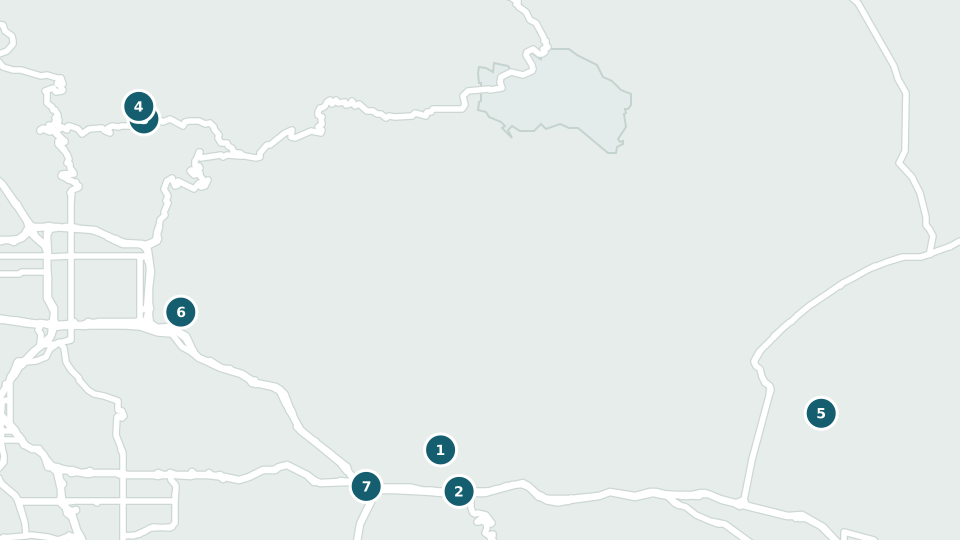
7 options near Big Bear City, CA, nearest first. Compare services and locations, then call to check availability.
This number connects to our central helpline, not directly to a listed facility.
You will speak with a real person who understands what you are going through.
The call is free and confidential, with no obligation to move forward.
You will leave the call knowing exactly what happens next.
If you are looking for alcohol help in Big Bear City right now, you are probably worried about your own drinking or someone else's, and you may not know where to start. That is a normal place to be, and you do not have to figure it out alone. The first step is usually a phone call to the helpline number above.
Someone will ask a few questions about how much and how often drinking happens, how long it has been going on, and whether there are any health problems. This helps them suggest the right kind of care. From there, the first day at a program usually involves an intake conversation, a check of your health, and a talk about what comes next.
Some programs are residential, which means you stay there for a while. Others meet during the day and you go home at night. Alcohol withdrawal can be serious.
If you or someone near you has seizures, hallucinations, confusion, or a racing heart while drinking stops, call 911 or get to an emergency room right away. Programs licensed for detox can help keep withdrawal safer under care. You can call more than one program and ask questions before choosing.
It is okay to take your time with this decision.
Call (877) 712-7713
Alcohol rehab usually starts with a question about how much medical danger you are in. Detox is the first stage, and it exists because quitting heavy drinking cold can be physically risky. In detox you are watched around the clock by medical staff who can ease withdrawal symptoms and step in if something goes wrong.
Most people stay a few days to a week. Residential treatment comes next for people who need to live at the facility for a month or longer, away from the triggers and pressures of home. Outpatient treatment means you live at home and attend sessions during the day or evening.
If your drinking has been heavy and daily, or you have ever had seizures, shakes or hallucinations when you stopped, medical detox is the safest starting point. If your drinking is serious but you cannot leave work or family, an intensive outpatient program may work. The honest test is whether you can stay sober at home between sessions; if you doubt it, a residential level of care gives you a better chance.
Call (877) 712-7713Round-the-clock medical monitoring while your body clears alcohol safely.
You live on site for weeks, with therapy and structure every day.
Scheduled sessions while you keep living at home and working.
Ongoing support and check-ins that help sobriety last.
Before you commit to any program, ask a few direct questions on the first call. Ask what levels of care they offer, so you know whether you would need to go somewhere else for detox. Ask how long the program runs and what a typical day looks like.
Ask whether they take your insurance and what your out-of-pocket cost would be. Ask what happens if you relapse during or after the program. Ask whether family can be involved in treatment.
Ask what kind of aftercare they set up, since the first months after treatment are when most slips happen. Write the answers down, and if the person on the phone brushes off a question, that tells you something too.
Paying for alcohol rehab in California typically starts with private health insurance, and most plans sold in the state are required to include substance use disorder treatment as an essential benefit. For those without private coverage, Medi-Cal, the state's public health insurance program, is a widely available option that many Californians use to access addiction treatment at little or no cost. Beyond insurance, many facilities throughout the state offer sliding-scale fees that adjust the cost of treatment based on a person's income and financial situation.
Self-pay, where an individual or family pays out of pocket, is also a common route, and some programs can arrange payment plans to make the total cost more manageable over time.
Reach our free, confidential helpline any time, day or night.
A short conversation helps match you with the right level of care.
If needed, withdrawal is managed safely under medical supervision.
You leave with a clear plan for ongoing treatment and support.
When you compare rehab options near you, judge them on concrete things rather than promises. Look at whether the program is licensed by the state. Look at whether it offers the level of care you actually need, including medical detox if your withdrawal risk is high.
Look at the distance from home: far enough to break the routine, close enough that family can visit if the program allows it. Ask about staff credentials and how many patients each counselor handles. Compare costs honestly, including what your specific insurance policy covers.
Then weigh the practical details, like whether the program works with your job or childcare situation. The best program is not the fanciest one. It is the one you can realistically get to, afford and complete.
If you are looking for alcohol help in Big Bear City right now, you are probably worried about your own drinking or someone else's, and you may not know where to start.

Severe alcohol withdrawal is a medical emergency, not something to push through alone. If you or someone near you has seizures, hallucinations, severe confusion or a racing, pounding heart after stopping drinking, call 911 right now or get to the nearest emergency room. These symptoms can turn deadly within hours.
Do not wait to see if they pass, do not try to treat them at home, and do not drive yourself if you are the one who is ill. Emergency departments deal with alcohol withdrawal every day; they can give medication that stops the danger.
If you or someone else is in immediate danger, call 911 now.
Call (877) 712-771343250 Midnight Ct, Banning, CA, 92220
Active
1035 West Ramsey Street, Suite a, Banning, CA, 92220
Active
974 Meadow Brook Road, Lake Arrowhead, CA, 92352
Active
27175 Highway 189, Unit a, Blue Jay, CA, 92317
Active
7885 Annandale Avenue, Desert Hot Springs, CA, 92240
Active
1539 Carolyn Ct, Redlands, CA, 92374
Active
210 W 6th St., Beaumont, CA, 92223
Active
It depends on the level of care. Medical detox usually lasts about a week. Residential programs commonly run thirty to ninety days. Outpatient programs can stretch over two or three months with fewer hours per week. The right length depends on how severe the drinking problem is and how the person responds to treatment.
Most health insurance plans cover alcohol treatment to some degree, including detox and counseling, because it is considered essential health care. Coverage varies by plan, so call the number on the back of your card and ask what is covered and what you would owe. Get the answers in writing if you can.
No. Detox is the short medical process of getting alcohol safely out of the system, usually under supervision for about a week. Rehab is the longer work of therapy and building a sober life. Detox alone rarely prevents relapse, which is why treatment should follow it.
Last updated