 Sentinel Alcohol Detox
Daymark Recovery Services — 1000 North 1St Street, Suite 1
0.5 mi, Albemarle1000 North 1st Street, Suite 1, Albemarle, NC, 28001
Active
- Outpatient
- Medication-assisted treatment
- Medicaid
- Medicare
City
9 options near Albemarle, NC, nearest first. Compare services and locations, then call to check availability.
This number connects to our central helpline, not directly to a listed facility.
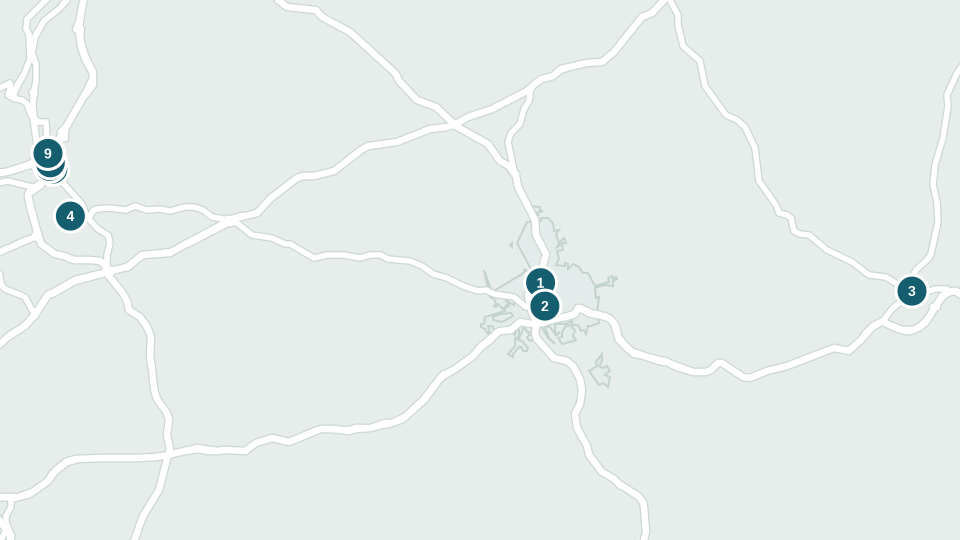
If you are looking for alcohol rehabilitation in or near Albemarle, North Carolina, the first step is calling a program to ask about its intake process. While the specific services each facility offers are not confirmed in this directory, an initial appointment usually includes an assessment to discuss your drinking, your health and your goals. Ask what happens during an intake appointment and which services are available.

Choosing between care levels depends on your situation. Use detox if you have had severe withdrawal before, drink daily, or have other health problems. Residential is best if your home environment makes it hard to stay sober, or if you have tried outpatient and relapsed.
Outpatient works well when you have a stable home, supportive people around, and a mild or moderate drinking problem. An addiction medicine provider can match you to the right level after a medical and mental health assessment. Don't worry about picking the wrong one; many programs allow you to transfer between levels if needed.
"Do you help with discharge planning, such as arranging follow-up care or housing?"
In North Carolina, alcohol rehab centers commonly accept private health insurance plans, including those purchased through the marketplace or employer-based coverage, as well as Medicare and Medicaid where applicable. Many facilities offer sliding-scale fees based on income, and self-pay options are available. Always confirm directly with the facility about which specific insurance or payment options are accepted, as eligibility varies by provider and individual circumstances.
Make sure the program fits your specific needs. For example, if you take medication for depression or anxiety, confirm the doctors know how to handle that combination. If you have children, ask whether they allow visits or have family program options.
Look at the location: a rural setting might feel safer and remove triggers, but an urban center can make it easier to attend medical appointments. Check whether they accept Medicaid or sliding-scale fees if you do not have private insurance. Ask about the daily structure—too much free time can be hard early in recovery.
Finally, ask for a written discharge plan so you know what happens after treatment ends.
If you are looking for alcohol rehabilitation in or near Albemarle, North Carolina, the first step is calling a program to ask about its intake process.

You do not have to wait until you are in crisis. But if you are already having severe symptoms—racing pulse, vomiting, confusion, or seeing things that are not real—get to an ER now. Call 911 if you cannot get there safely.
Let the paramedics or doctors know you drink alcohol every day and stopped. They have medications to prevent dangerous complications. Emergency medical care is always the right first step.
Once you are out of danger, they can help you plan next steps for recovery.
If you or someone else is in immediate danger, call 911 now.
1000 North 1st Street, Suite 1, Albemarle, NC, 28001
Active
350 Pee Dee Avenue, Albemarle, NC, 28001
Active
227 North Main Street, Suite A, Troy, NC, 27371
Active
3 Union Street South, Suite 210, Concord, NC, 28025
Active
245 Le Phillip Court NE, Concord, NC, 28025
Active
1018 Lee Ann Drive NE, Concord, NC, 28025
Active
300 Copperfield Boulevard, Suite 105, Concord, NC, 28025
Active
284 Executive Park Drive, Suite 100, Concord, NC, 28025
Active
280 Executive Park Drive, Suite 160, Concord, NC, 28025
Active
These lists use only what the 9 active facilities listed for Albemarle report to SAMHSA's FindTreatment.gov. No facility pays to be included or can ask to be moved. Reporting more options is not a measure of quality, outcomes or suitability for any person. A missing option means the facility did not report it to the source, not that it is not offered. Call the facility to confirm everything before relying on it.
How this list is made: each facility scores one point for each of these 5 levels of care (settings) it reports to SAMHSA's FindTreatment.gov (Residential (24-hour); Outpatient; Intensive outpatient; Partial hospitalization / day treatment; Hospital inpatient). A facility needs at least 3 to appear. Facilities are shown from the highest count to the lowest; facilities with the same count are in alphabetical order, which has no other meaning. Up to 10 are shown.
How this list is made: each facility scores one point for each of these 7 payment and cost-assistance options it reports to SAMHSA's FindTreatment.gov (Medicaid; Medicare; Private health insurance; Military insurance (TRICARE); Cash or self-payment; Sliding fee scale; Payment assistance). A facility needs at least 4 to appear. Facilities are shown from the highest count to the lowest; facilities with the same count are in alphabetical order, which has no other meaning. Up to 10 are shown.
How this list is made: each facility scores one point for each of these 4 medications used in treatment it reports to SAMHSA's FindTreatment.gov (Buprenorphine; Methadone; Naltrexone; Medication for alcohol use disorder). A facility needs at least 2 to appear. Facilities are shown from the highest count to the lowest; facilities with the same count are in alphabetical order, which has no other meaning. Up to 10 are shown.
How this list is made: each facility scores one point for each of these 12 age groups and client groups accepted it reports to SAMHSA's FindTreatment.gov (Adolescents; Young adults; Adults; Seniors; Pregnant or postpartum women; Adult women; Adult men; Veterans; Active duty military; Criminal justice clients; Clients who have experienced trauma; Co-occurring mental and substance use disorders). A facility needs at least 5 to appear. Facilities are shown from the highest count to the lowest; facilities with the same count are in alphabetical order, which has no other meaning. Up to 10 are shown.
Ask about the types of alcohol treatment they offer, such as outpatient counseling or residential care. Confirm whether they provide medical evaluation, group or individual therapy, and any medication options for alcohol use disorder. Also ask about their hours, admission requirements and what you need to bring to a first visit.
Each program sets its own admission criteria. Call the facility directly to ask whether it serves people from Albemarle and surrounding areas, what insurance or payment options it accepts and whether it offers care for your specific situation.
A typical timeline is: detox 3–7 days, residential 30–90 days, outpatient 3–6 months. But many programs are individualized. Some people need more time, some less. The key is to stay engaged until you and your treatment team agree you are stable.
Many plans do, but you need to check. Start by calling the program you are interested in and asking their admissions team if they accept your insurance. They can usually run a quick verification. If you have no insurance, ask about state-funded options or sliding-scale fees based on your income.
Yes, you have options. For mild to moderate alcohol problems, outpatient rehab can fit around a work schedule. For more severe cases, residential care means a temporary stay; you can request a medical leave of absence. Many companies are understanding, and your treatment team can provide documentation if needed.
Last updated