 Sentinel Alcohol Detox
10524 Euclid Avenue, WO Walker Center, Suite 3200, Cleveland, OH, 44106
Active
- Day treatment
- Detox
- Medication-assisted treatment
- Medicaid
City
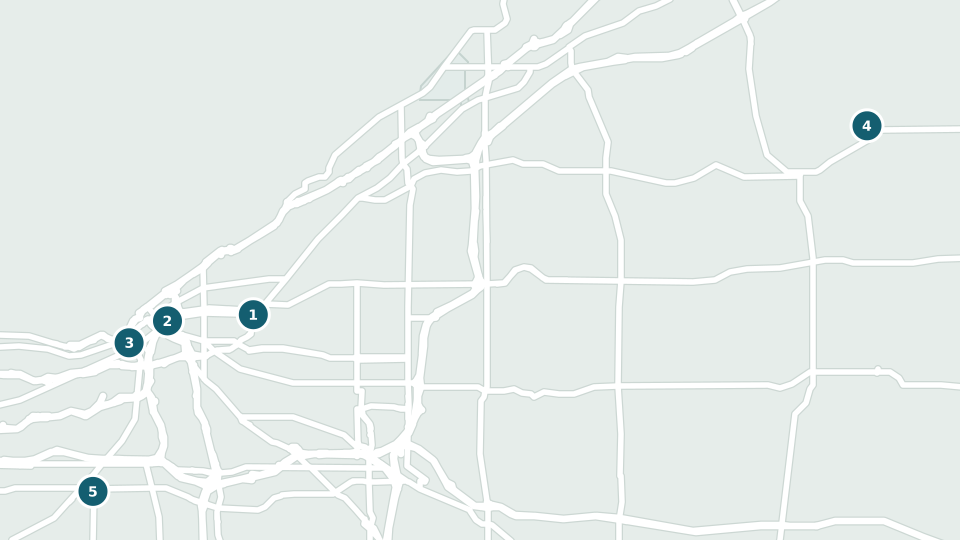
5 options near Willowick, OH, nearest first. Compare services and locations, then call to check availability.
Call (877) 712-7713Free · ConfidentialThis number connects to our central helpline, not directly to a listed facility.
You will speak with a real person who understands what you are going through.
The call is free and confidential, with no obligation to move forward.
You will leave the call knowing exactly what happens next.

The three main levels of help do different jobs, so it helps to know which problem you actually have right now. Detox handles the physical danger of stopping. Heavy, long-term drinkers can have seizures, racing hearts, confusion and terrifying hallucinations when they quit cold turkey, and detox units exist to get you through that window with medicine and monitoring.
If you have ever had a seizure when you stopped drinking, or you drink around the clock, this is where you start. Residential rehab handles the habit itself. You live at the program, follow a structured day of counseling and groups, and put distance between yourself and your kitchen, your bar and your drinking friends while you practice new routines.
It is the right call when your environment is part of the problem or when you want intensive support early on. Outpatient handles the life around the drinking. You attend a program during the day or evening and sleep in your own bed.
It suits people with milder withdrawal risk, steady housing and a reason to stay home, like a job or small children. To choose, ask which one would fail first. If your body would fail without medical supervision, choose detox.
If your willpower would fail at home, choose residential. If neither is likely to fail but the drinking is still hurting you, outpatient is a reasonable place to begin. Plenty of people move between levels as their needs change.
Call (877) 712-7713Round-the-clock medical monitoring while your body clears alcohol safely.
You live on site for weeks, with therapy and structure every day.
Scheduled sessions while you keep living at home and working.
Ongoing support and check-ins that help sobriety last.
Make the most of the first call by having a short list in front of you. First, logistics: when can you start, what do you need to bring, and is there anything you should not bring. Second, medical safety: are there doctors or nurses on site, what medicines do they use for withdrawal, and how do they handle emergencies at three in the morning.
Third, money: do they accept your insurance, what is your estimated out-of-pocket cost, and is financial help available. Fourth, the program itself: how many weeks does it run, what does a day look like, is family included, and do they treat other issues like depression or pain at the same time. Fifth, the exit: what follow-up do they offer, and what do they recommend if things go badly after you leave.
Keep the answers in one place so you can compare programs side by side later.
Cost is often one of the first questions people have when considering alcohol detox in Ohio. Across the state, payment typically happens in a few ways: through private health insurance, which many residents obtain through an employer or the health insurance marketplace, and which frequently includes coverage for detox and related care depending on the specific plan. Ohio Medicaid is widely used as well, giving eligible low-income residents access to substance use treatment services at little or no cost.
Some treatment providers also use sliding-scale fees, where what you pay is based on your income, and direct self-payment remains an option for those who prefer or need to fund their own care.
Distance, speed and fit matter more than reputation. A program you can reach in under half an hour, with an opening this week, will serve you better than a distant program with a month-long wait, because the day you decide to quit is a fragile day and every barrier between you and a bed is a chance to change your mind. Once you have a few realistic options, compare them on concrete things.
Does the program offer medical detox or will it refer you out? Will they bill your insurance and tell you your expected cost before admission, in writing if possible? What is the counselor-to-client ratio during the day, and who watches the unit at night?
Do they use medication for withdrawal and for cravings, or is the approach purely talk and groups? Are there separate tracks if you also deal with trauma, chronic pain or another substance? Finally, ask what happens on day one, and listen to how they describe it.
A program that can tell you exactly what your first hours will look like has thought about the moment you arrive, and that thoughtfulness tends to show up everywhere else.
Take this one seriously: heavy drinkers who stop suddenly can slide into a medical emergency within hours.

Take this one seriously: heavy drinkers who stop suddenly can slide into a medical emergency within hours. Call 911 or head straight to the nearest emergency room if there is a seizure, hallucinations, severe confusion, a heart racing out of proportion to anything you are doing, vomiting that will not stop, or a fever during withdrawal. Do not sleep it off.
Do not attempt a last detox at home to tough it out. Do not get behind the wheel if your thinking or hands are not steady. If you are on the phone with a program and symptoms appear while you wait for intake, end the conversation about beds and go to the ER.
Emergency staff see alcohol withdrawal constantly, it is not a moral event to them, it is a medical one. Say plainly how long and how much the drinking has been going on and when the last drink was, and let them take it from there.
If you or someone else is in immediate danger, call 911 now.
Call (877) 712-771310524 Euclid Avenue, WO Walker Center, Suite 3200, Cleveland, OH, 44106
Active
1710 Prospect Avenue, Cleveland, OH, 44115
Active
1730 West 25th Street, Suite 2-A, Cleveland, OH, 44113
Active
9600 Old State Road, Chardon, OH, 44024
Active
5850 Ridge Road, Cleveland, OH, 44129
Active
These lists use only what the 5 active facilities listed for Willowick report to SAMHSA's FindTreatment.gov. No facility pays to be included or can ask to be moved. Reporting more options is not a measure of quality, outcomes or suitability for any person. A missing option means the facility did not report it to the source, not that it is not offered. Call the facility to confirm everything before relying on it.
How this list is made: each facility scores one point for each of these 5 levels of care (settings) it reports to SAMHSA's FindTreatment.gov (Residential (24-hour); Outpatient; Intensive outpatient; Partial hospitalization / day treatment; Hospital inpatient). A facility needs at least 3 to appear. Facilities are shown from the highest count to the lowest; facilities with the same count are in alphabetical order, which has no other meaning. Up to 10 are shown.
How this list is made: each facility scores one point for each of these 7 payment and cost-assistance options it reports to SAMHSA's FindTreatment.gov (Medicaid; Medicare; Private health insurance; Military insurance (TRICARE); Cash or self-payment; Sliding fee scale; Payment assistance). A facility needs at least 4 to appear. Facilities are shown from the highest count to the lowest; facilities with the same count are in alphabetical order, which has no other meaning. Up to 10 are shown.
How this list is made: each facility scores one point for each of these 4 medications used in treatment it reports to SAMHSA's FindTreatment.gov (Buprenorphine; Methadone; Naltrexone; Medication for alcohol use disorder). A facility needs at least 2 to appear. Facilities are shown from the highest count to the lowest; facilities with the same count are in alphabetical order, which has no other meaning. Up to 10 are shown.
How this list is made: each facility scores one point for each of these 12 age groups and client groups accepted it reports to SAMHSA's FindTreatment.gov (Adolescents; Young adults; Adults; Seniors; Pregnant or postpartum women; Adult women; Adult men; Veterans; Active duty military; Criminal justice clients; Clients who have experienced trauma; Co-occurring mental and substance use disorders). A facility needs at least 5 to appear. Facilities are shown from the highest count to the lowest; facilities with the same count are in alphabetical order, which has no other meaning. Up to 10 are shown.
Call 911 or go to the nearest emergency room right away. Seizures, hallucinations, confusion, or a racing heart are signs of severe withdrawal that needs immediate medical care. An ER can stabilize you before a detox or rehab program takes over.
Most options near Willowick are in the greater Cleveland area, roughly 20 to 30 minutes away. One Cleveland program offers outpatient care and a partial hospitalization program for adults, treats co-occurring mental health conditions, and accepts Medicaid, Medicare, private insurance, and self-pay. If you are not sure which level of care fits, call the helpline number above and ask.
Expect several days, not several weeks. Withdrawal symptoms typically start within hours of the last drink, are usually strongest on the second and third day, and for most people ease off noticeably by the end of the first week. Sleep problems and irritability can linger longer. If you drink heavily every day, or you have ever had a seizure, shakes or hallucinations when stopping, your timeline could be more dangerous, so have a doctor or detox program involved from the start rather than riding it out alone.
For a light or moderate drinker, yes, usually. For a heavy daily drinker, stopping all at once without medical support can trigger seizures, dangerous heart rhythms and confusion, and it is one situation where quitting too fast can be life-threatening. The safest first move is a quick medical assessment, either through a detox program or your doctor, where you report honestly how much you drink and any past withdrawal episodes. If your risk is low, you may be able to stop at home with monitoring. If it is not, supervised detox with medication is the standard answer.
It often does, and it is worth saying early in the first phone call. Many rehab programs will not admit you until the physical withdrawal is over, so a completed detox, whether at a hospital or a detox clinic, is exactly what they are looking for. Be prepared to tell them when you finished, whether you have had any alcohol since, and what medications you were sent home with. Bring your discharge summary if you have one. If a program insists on repeating its own medical evaluation, that is normal caution on their part, not a rejection.
Last updated