 Sentinel Alcohol Detox
Middlesex Recovery Norton
6.3 mi, Norton85 East Main Street, Suite A, Norton, MA, 02766
Active
- Outpatient
- Detox
- Medication-assisted treatment
- Medicaid
City
No listed facilities are in Taunton. The nearest listed facility is 6.3 miles from Taunton. Compare the facilities near Taunton below; distances are straight-line estimates.
This number connects to our central helpline, not directly to a listed facility.
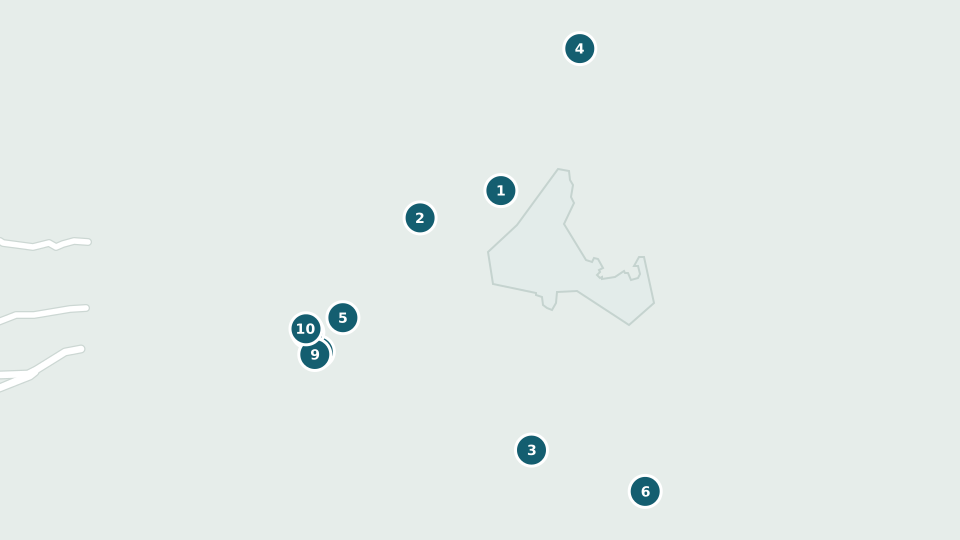
If you are looking into alcohol detox in or near Taunton, the first step is often calling a program to ask about its screening and intake process. Many programs begin with a clinical assessment, which helps staff understand your health history and the type of support you need. Detox may involve medical monitoring to manage withdrawal symptoms in a safe environment.
Ask what happens during the first day, whether a doctor or nurse is available, and what to bring for an overnight stay.

Detox is the first step when you stop drinking. It means 24-hour medical monitoring to manage withdrawal safely. Residential care is live-in treatment after detox, with daily therapy and no outside distractions.
Outpatient care lets you live at home and attend therapy sessions a few times a week. You choose by how severe your drinking is: if you have shakes, seizures, or heavy daily use, start with detox. If your drinking is heavy but not daily, residential may be a good next step.
Outpatient is best for people who have already been through detox or residential and need ongoing support.
Ask if they have a medical doctor on staff 24 hours a day. Ask how they handle severe withdrawal symptoms like seizures. Ask what medications they use, and if the program tapers you off or stops suddenly.
Ask if they accept your insurance. Ask what happens after detox: do they help you transition to residential or outpatient? Ask about the daily schedule and if you can leave the facility.
Ask about the cost and any hidden fees.
In Massachusetts, payment for alcohol detox can be made through several common methods. Private insurance often includes detox benefits, but you must check your specific plan for details. MassHealth, the state's Medicaid program, may cover detox for those who qualify; always confirm eligibility beforehand.
Sliding-scale fees, which adjust based on financial need, are available at some facilities. Self-pay is also an option. To avoid surprises, speak directly with the detox center about your preferred payment method prior to admission.
Compare how close the program is to your home. You may need to visit daily or stay for weeks. Look at the program's admission criteria: some only take people with insurance, others have sliding scale fees.
Check if they offer separate detox and residential or combine them. Ask how long the wait is for a bed. If you have a co-occurring mental health condition like depression, ask if they have a psychiatrist on staff.
Choose a program that matches your schedule: some offer evening outpatient groups, others are daytime only.
If you are looking into alcohol detox in or near Taunton, the first step is often calling a program to ask about its screening and intake process.

If you or someone you are with is having a seizure, shaking violently, confused, or seeing things that are not there, this is a medical emergency. Call 911 right now. Do not wait.
Severe alcohol withdrawal can be deadly. Do not try to detox alone if these symptoms appear. You need immediate hospital care.
If you or someone else is in immediate danger, call 911 now.
85 East Main Street, Suite A, Norton, MA, 02766
Active
7 North Main Street, Suite 215, Attleboro, MA, 02703
Active
386 Stanley Street, Fall River, MA, 02720
Active
966 Park Street, Suite B-3, Stoughton, MA, 02072
Active
345 Blackstone Boulevard, Providence, RI, 02906
Active
581 Faunce Corner Road, North Dartmouth, MA, 02747
Active
460 Pine Street, Providence, RI, 02907
Active
830 Chalkstone Avenue, Unit 116-F, Providence, RI, 02908
Active
110 Elmwood Avenue, Providence, RI, 02907
Active
825 Chalkstone Avenue, Providence, RI, 02908
Active
These lists use only what the 10 active facilities listed for Taunton report to SAMHSA's FindTreatment.gov. No facility pays to be included or can ask to be moved. Reporting more options is not a measure of quality, outcomes or suitability for any person. A missing option means the facility did not report it to the source, not that it is not offered. Call the facility to confirm everything before relying on it.
How this list is made: each facility scores one point for each of these 5 levels of care (settings) it reports to SAMHSA's FindTreatment.gov (Residential (24-hour); Outpatient; Intensive outpatient; Partial hospitalization / day treatment; Hospital inpatient). A facility needs at least 3 to appear. Facilities are shown from the highest count to the lowest; facilities with the same count are in alphabetical order, which has no other meaning. Up to 10 are shown.
How this list is made: each facility scores one point for each of these 7 payment and cost-assistance options it reports to SAMHSA's FindTreatment.gov (Medicaid; Medicare; Private health insurance; Military insurance (TRICARE); Cash or self-payment; Sliding fee scale; Payment assistance). A facility needs at least 4 to appear. Facilities are shown from the highest count to the lowest; facilities with the same count are in alphabetical order, which has no other meaning. Up to 10 are shown.
How this list is made: each facility scores one point for each of these 4 medications used in treatment it reports to SAMHSA's FindTreatment.gov (Buprenorphine; Methadone; Naltrexone; Medication for alcohol use disorder). A facility needs at least 2 to appear. Facilities are shown from the highest count to the lowest; facilities with the same count are in alphabetical order, which has no other meaning. Up to 10 are shown.
How this list is made: each facility scores one point for each of these 12 age groups and client groups accepted it reports to SAMHSA's FindTreatment.gov (Adolescents; Young adults; Adults; Seniors; Pregnant or postpartum women; Adult women; Adult men; Veterans; Active duty military; Criminal justice clients; Clients who have experienced trauma; Co-occurring mental and substance use disorders). A facility needs at least 5 to appear. Facilities are shown from the highest count to the lowest; facilities with the same count are in alphabetical order, which has no other meaning. Up to 10 are shown.
Medical detox is often recommended if you experience withdrawal symptoms such as shaking, sweating, nausea, anxiety or confusion after stopping or reducing alcohol use. A medical professional can assess your health and determine the safest level of care. Call a program to discuss your situation and ask about its screening process.
Ask whether the program offers medically supervised detox, what the intake process involves, and whether a doctor or nurse is available around the clock. You can also ask about the typical length of stay, what to bring, and whether the program offers counseling or referrals after detox.
Most detox programs for alcohol last 3 to 7 days. The worst symptoms usually happen in the first 48 to 72 hours. Your body needs time to adjust to being without alcohol. The length depends on how much and how long you were drinking.
Common medications include benzodiazepines like Valium or Librium to prevent seizures and reduce anxiety. Other medications like clonidine help with high blood pressure. Some programs use vitamins like thiamine to prevent brain damage.
If you drink alcohol daily or in heavy amounts, stopping can be dangerous. Signs you need detox include morning shakes, nausea, sweating, or a strong craving. If you have had withdrawal symptoms before, a medical detox is likely needed.
Last updated