 Sentinel Alcohol Detox
201 SE Osceola Street, Stuart, FL, 34994
Active
- Hospital inpatient
- Detox
- Medication-assisted treatment
- Private insurance
City
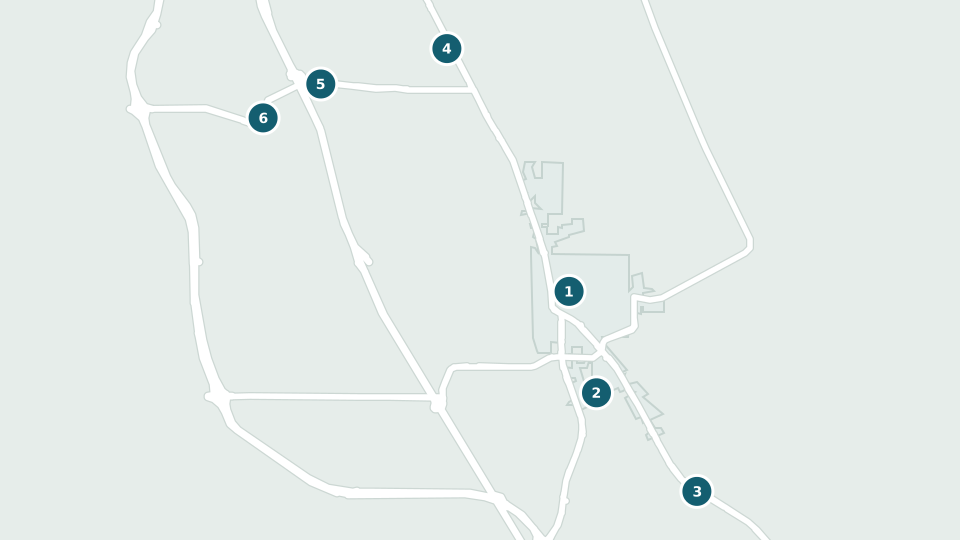
6 options near Stuart, FL, nearest first. Compare services and locations, then call to check availability.
Call (877) 712-7713Free · ConfidentialThis number connects to our central helpline, not directly to a listed facility.
You will speak with a real person who understands what you are going through.
The call is free and confidential, with no obligation to move forward.
You will leave the call knowing exactly what happens next.
If you are reading this in Stuart, you are probably worried about your own drinking or someone else's, and you want help close to home before things get worse. That is the right instinct. Alcohol withdrawal can turn dangerous fast, so the first step is usually a phone call or a walk-in to a detox program, where a nurse or counselor asks about how much and how often you drink, your health history, and any medicines you take.
From there, staff check your withdrawal symptoms, settle you in, and watch you closely while your body clears the alcohol. Some people feel shaky, sick, or anxious in the first day, and staff are there to keep you safe and as comfortable as they can. Banyan Stuart is a local option that lists detox for alcohol among its services.
If you or the person you are worried about has seizures, hallucinations, confusion, or a racing heart right now, call 911 or go to the nearest emergency room instead of waiting for a treatment opening.
Call (877) 712-7713
Detox is the first step, and it has one job: getting alcohol out of your body safely while doctors and nurses watch for the dangerous parts of withdrawal. That can mean tremors, sweating, a racing heart, and in serious cases seizures or confusion. Medically supervised detox usually lasts a few days to a week, and staff can give medication to keep you comfortable and stable.
Residential treatment comes after detox. You live at the facility for weeks at a time, follow a structured day of counseling and groups, and stay away from the people and routines that fed the drinking. Outpatient care lets you live at home and come in for appointments, sometimes a few hours a week, sometimes most of the day.
The honest way to choose: if you have tried to stop on your own and could not get through the first days, or if you drink heavily every day, start with detox. If your home situation is chaotic or full of drinking, residential gives you a real chance to practice sober living. If you have a stable home, a job you cannot leave, and milder symptoms, outpatient can work.
Many people do detox first, then step down to residential or outpatient. You do not have to figure out the whole path tonight. You only have to pick the right first door.
Call (877) 712-7713Round-the-clock medical monitoring while your body clears alcohol safely.
You live on site for weeks, with therapy and structure every day.
Scheduled sessions while you keep living at home and working.
Ongoing support and check-ins that help sobriety last.
Ask these questions on your first call, and write the answers down. Does a doctor supervise the detox, and are nurses on site around the clock? What medications do you use for withdrawal symptoms?
How long does detox usually last here, and what happens on a typical day? Do you take my insurance, and what will I owe out of pocket if you do not? Is there a bed open now, and if not, how long is the wait?
What happens after detox, and do you help arrange the next step? Can my family visit or call? What should I bring with me?
What happens if I need a hospital? And one more that people forget to ask: what do people say was hardest about being there? The way staff answer matters as much as the answers.
Good programs answer plainly, even when the honest answer is that they do not know yet. If the person on the phone rushes you, dodges the money question, or promises things that sound too good, keep dialing.
If you are considering alcohol detox anywhere in Florida, it helps to know how people usually handle the cost. Many residents start by checking whether their private health insurance includes benefits for substance use treatment, since policies differ in what detox services they cover and for how long. Others qualify for Florida Medicaid, the state's well-known public program that can help eligible individuals access medically supervised detox at little or no cost.
Beyond insurance, sliding-scale fees are another widely used option; with this approach, the amount a person pays is adjusted according to income, making treatment more accessible for those with limited financial resources. Self-pay is also common, allowing individuals to cover the full cost themselves, and many programs are willing to discuss payment plans or clear pricing when asked directly.
When you compare programs near you, put safety first. Ask whether a doctor oversees the detox, whether nurses are on staff around the clock, and whether the facility can get you to a hospital quickly if withdrawal turns severe. If someone has a history of seizures, heavy daily drinking, or other medical problems like liver disease, that rules out anything without close medical supervision.
Second, check the practical side: does the program take your insurance, is there a bed open now or a waiting list, and how far is it from the people who will support you. A program you can reach tonight beats a perfect program with a three-week wait. Third, ask what happens after detox.
A place that hands you a phone number at discharge is weaker than one that helps you plan the next step, whether that is residential care, outpatient counseling, or a recovery group. Fourth, trust your gut on the phone call. The person who answers should treat you with respect, answer your questions plainly, and not pressure you.
If they dodge questions about cost, staffing, or what a typical day looks like, call somewhere else. You are the customer here, even in crisis, and you are allowed to be picky.
If you are reading this in Stuart, you are probably worried about your own drinking or someone else's, and you want help close to home before things get worse.

Severe alcohol withdrawal is a medical emergency, not something to wait out. If you or the person you are worried about has seizures, sees or hears things that are not there, is confused, has a pounding racing heart, is vomiting repeatedly, or is shaking badly and cannot keep it under control, call 911 right now or get to the nearest emergency room. Do not try to drive yourself if you are the one who is sick.
Emergency rooms treat withdrawal every day; it is not embarrassing and it is not a moral failure, it is a medical condition and doctors know how to handle it. If things are bad but not at that level, still do not stop drinking alone without talking to a doctor or a detox program first, because withdrawal can turn dangerous fast, sometimes a day or two in. Tell the 911 dispatcher or the ER staff exactly how much and how often the drinking has been, including when the last drink was.
That information helps them help you. Whatever happens tonight, the safest move is medical help, not white-knuckling it at home.
If you or someone else is in immediate danger, call 911 now.
Call (877) 712-7713201 SE Osceola Street, Stuart, FL, 34994
Active
1131 SE Indian Street, Stuart, FL, 34997
Active
6300 SE Federal Highway, Stuart, FL, 34997
Active
1680 SE Lyngate Drive, Suite 204, Port Saint Lucie, FL, 34952
Active
2349 SW Cary Street, Port Saint Lucie, FL, 34984
Active
2749 SW Port Saint Lucie Boulevard, Port Saint Lucie, FL, 34953
Active
These lists use only what the 6 active facilities listed for Stuart report to SAMHSA's FindTreatment.gov. No facility pays to be included or can ask to be moved. Reporting more options is not a measure of quality, outcomes or suitability for any person. A missing option means the facility did not report it to the source, not that it is not offered. Call the facility to confirm everything before relying on it.
How this list is made: each facility scores one point for each of these 5 levels of care (settings) it reports to SAMHSA's FindTreatment.gov (Residential (24-hour); Outpatient; Intensive outpatient; Partial hospitalization / day treatment; Hospital inpatient). A facility needs at least 3 to appear. Facilities are shown from the highest count to the lowest; facilities with the same count are in alphabetical order, which has no other meaning. Up to 10 are shown.
How this list is made: each facility scores one point for each of these 7 payment and cost-assistance options it reports to SAMHSA's FindTreatment.gov (Medicaid; Medicare; Private health insurance; Military insurance (TRICARE); Cash or self-payment; Sliding fee scale; Payment assistance). A facility needs at least 4 to appear. Facilities are shown from the highest count to the lowest; facilities with the same count are in alphabetical order, which has no other meaning. Up to 10 are shown.
How this list is made: each facility scores one point for each of these 4 medications used in treatment it reports to SAMHSA's FindTreatment.gov (Buprenorphine; Methadone; Naltrexone; Medication for alcohol use disorder). A facility needs at least 2 to appear. Facilities are shown from the highest count to the lowest; facilities with the same count are in alphabetical order, which has no other meaning. Up to 10 are shown.
How this list is made: each facility scores one point for each of these 12 age groups and client groups accepted it reports to SAMHSA's FindTreatment.gov (Adolescents; Young adults; Adults; Seniors; Pregnant or postpartum women; Adult women; Adult men; Veterans; Active duty military; Criminal justice clients; Clients who have experienced trauma; Co-occurring mental and substance use disorders). A facility needs at least 5 to appear. Facilities are shown from the highest count to the lowest; facilities with the same count are in alphabetical order, which has no other meaning. Up to 10 are shown.
You can expect an intake conversation about your drinking and health history, a check of your withdrawal symptoms, and close monitoring while the alcohol leaves your system. Staff at facilities like Banyan Stuart, which lists alcohol detox among its services, keep watch so you stay safe through the roughest hours.
If there are seizures, hallucinations, confusion, or a racing heart, call 911 or get to an emergency room right away. Without those danger signs, a detox facility such as Banyan Stuart, which offers detox for alcohol, is a reasonable first call to ask about admission.
Heavy drinking, drinking every day for years, past seizures or hallucinations during withdrawal, and other health problems like liver disease all raise the risk. If any of those describe you, do not stop drinking without medical supervision. A detox program will ask about your drinking history and check you over before deciding. Some people do have mild withdrawal and only need outpatient support, but that is a call for a doctor to make, not something to gamble on alone. The dangerous forms of withdrawal can appear within the first two or three days, so even feeling okay at first does not mean you are in the clear.
Typically between three and seven days, depending on how much and how long you have been drinking and how your body responds. The worst symptoms usually hit in the first two or three days, and medication can make that stretch far more bearable. You will not just lie in a bed; most programs check your vital signs regularly and begin some light counseling near the end. Detox alone is not full treatment, so plan on a next step after you are stable.
No. Quitting cold turkey after heavy, regular drinking is one of the riskiest ways to stop, because withdrawal from alcohol can cause seizures and other dangerous complications without warning. The safer route is a medically supervised detox, where staff can give medication to ease symptoms and catch problems early. If you have already stopped drinking and feel badly, call a doctor or detox program now. And if symptoms turn severe, treat it as an emergency and get medical help immediately.
Last updated