 Sentinel Alcohol Detox
Ascent Recovery Solutions
1.1 mi, Simpsonville634 Fairview Road, Building I, Simpsonville, SC, 29680
Active
- Outpatient
- Detox
- Medication-assisted treatment
- Medicaid
City
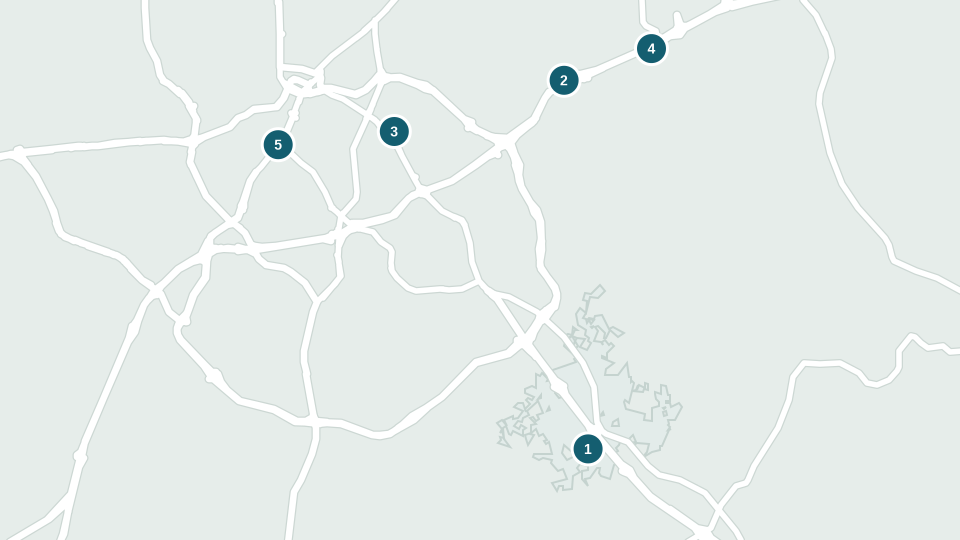
5 options near Simpsonville, SC, nearest first. Compare services and locations, then call to check availability.
This number connects to our central helpline, not directly to a listed facility.
If you or someone you care about is living in or near Simpsonville and looking for alcohol detox, the first step is usually an assessment to understand your history and needs. Programs in the area offer medical detox for alcohol withdrawal, and some have medication to help manage cravings after detox. Call the program you are considering to ask about its intake process, what to bring, and whether you need a referral or can walk in.
Ask what happens during the first day—whether there is a medical evaluation, how often staff check in, and what support is available around the clock. Also confirm whether the program treats co-occurring mental health conditions and whether it offers buprenorphine or methadone if you also need care for opioid use.

Detox is the first step. It is medically supervised withdrawal from alcohol. You stay in a facility for a few days to a week.
Medical staff manage symptoms. It is for people who need 24-hour monitoring during the initial detox phase. Residential treatment comes after detox.
You live at the facility for 30 to 90 days. It provides structured therapy and counseling. It helps you build skills for long-term sobriety.
Outpatient care allows you to live at home. You attend therapy sessions during the day. It works best for people with mild withdrawal risk who have a stable home environment.
To choose between them, ask your doctor about your withdrawal risk and your personal support system.
When you call a program, ask: What medical staff are on site 24 hours a day? Do you use medication to ease withdrawal symptoms? Is there a medical doctor available daily?
What happens after detox – do you help arrange next-step care? Can you verify that your state licenses the facility? Is the detox unit separate from other residents?
What happens if I have a medical emergency during detox? Do you accept my health insurance? How much will it cost without insurance?
Do you have a discharge plan for me after detox ends?
How South Carolina residents pay for alcohol detox often involves private insurance, where coverage depends on the specific policy and network. Public programs like Medicaid and Medicare can help those who qualify, but it is crucial to check eligibility and facility participation before admission. Sliding-scale fees, adjusted according to income, may be available at some locations, and self-pay is another common method for covering the cost of detox services without insurance.
Reach our free, confidential helpline any time, day or night.
A short conversation helps match you with the right level of care.
If needed, withdrawal is managed safely under medical supervision.
You leave with a clear plan for ongoing treatment and support.
To choose between nearby options, consider these concrete criteria. First, check state licensing. The facility should have a valid license for detox services.
Second, look at staffing. A good program has a doctor or nurse practitioner assigned to each patient. Third, ask about medication options.
Many detox programs use benzodiazepines to prevent seizures. Fourth, verify they can handle medical complications like high blood pressure or history of seizures. Fifth, ask about transfer agreements with a local hospital.
Sixth, look at the duration. Quality detox programs last at least 72 hours, longer for severe cases. Seventh, check aftercare planning.
Good programs help you arrange residential or outpatient follow-up before you leave.
If you or someone you care about is living in or near Simpsonville and looking for alcohol detox, the first step is usually an assessment to understand your history and needs.

Severe alcohol withdrawal is a medical emergency. Symptoms can include confusion, rapid heart rate, fever, seizures, or hallucinations (seeing things that are not there). Do not wait at home.
Call 911 immediately. Do not try to detox alone or with home remedies. Go to your nearest emergency room.
Tell them you are withdrawing from alcohol. Emergency medical staff can stabilize you and prevent life-threatening complications.
If you or someone else is in immediate danger, call 911 now.
634 Fairview Road, Building I, Simpsonville, SC, 29680
Active
47 Fisherman Lane, Greenville, SC, 29615
Active
130 Industrial Drive, Suite 130, Greenville, SC, 29607
Active
2700 East Phillips Road, Greer, SC, 29650
Active
16 Mills Avenue, Suite 8, Greenville, SC, 29605
Active
These lists use only what the 5 active facilities listed for Simpsonville report to SAMHSA's FindTreatment.gov. No facility pays to be included or can ask to be moved. Reporting more options is not a measure of quality, outcomes or suitability for any person. A missing option means the facility did not report it to the source, not that it is not offered. Call the facility to confirm everything before relying on it.
How this list is made: each facility scores one point for each of these 5 levels of care (settings) it reports to SAMHSA's FindTreatment.gov (Residential (24-hour); Outpatient; Intensive outpatient; Partial hospitalization / day treatment; Hospital inpatient). A facility needs at least 3 to appear. Facilities are shown from the highest count to the lowest; facilities with the same count are in alphabetical order, which has no other meaning. Up to 10 are shown.
How this list is made: each facility scores one point for each of these 7 payment and cost-assistance options it reports to SAMHSA's FindTreatment.gov (Medicaid; Medicare; Private health insurance; Military insurance (TRICARE); Cash or self-payment; Sliding fee scale; Payment assistance). A facility needs at least 4 to appear. Facilities are shown from the highest count to the lowest; facilities with the same count are in alphabetical order, which has no other meaning. Up to 10 are shown.
How this list is made: each facility scores one point for each of these 4 medications used in treatment it reports to SAMHSA's FindTreatment.gov (Buprenorphine; Methadone; Naltrexone; Medication for alcohol use disorder). A facility needs at least 2 to appear. Facilities are shown from the highest count to the lowest; facilities with the same count are in alphabetical order, which has no other meaning. Up to 10 are shown.
How this list is made: each facility scores one point for each of these 12 age groups and client groups accepted it reports to SAMHSA's FindTreatment.gov (Adolescents; Young adults; Adults; Seniors; Pregnant or postpartum women; Adult women; Adult men; Veterans; Active duty military; Criminal justice clients; Clients who have experienced trauma; Co-occurring mental and substance use disorders). A facility needs at least 5 to appear. Facilities are shown from the highest count to the lowest; facilities with the same count are in alphabetical order, which has no other meaning. Up to 10 are shown.
Medical detox for alcohol usually involves 24-hour monitoring while the substance leaves your body. A doctor or nurse may give medication to manage withdrawal symptoms and keep you safe. Call the program you are considering to ask about its medical staff, typical length of stay and what happens after detox.
Some programs accept walk-ins, while others require a referral from a doctor or a prior appointment. It is best to call ahead and ask about their admission process, what documents you need and whether they accept your insurance.
Most alcohol detox programs last 3 to 7 days. The worst symptoms often peak in the first 24 to 48 hours. Your detox length depends on your drinking history and medical needs. The staff will decide when you are medically stable to move on.
Yes. Delirium tremens (DTs) is a severe withdrawal syndrome that can be fatal. Symptoms include confusion, rapid breathing, and seizures. It is not the same as a drug overdose. But it is equally dangerous. Medical detox greatly reduces this risk.
Detox is just the start. It treats the physical dependence but not the behavioral addiction. Without follow-up care, relapse rates are high. Long-term success usually requires residential or outpatient treatment after detox.
Last updated