 Sentinel Alcohol Detox
3250 Guerneville Rd, Santa Rosa, CA, 95401
Active
- Detox
- Incidental medical services
- Licensed or certified
- Residential
City
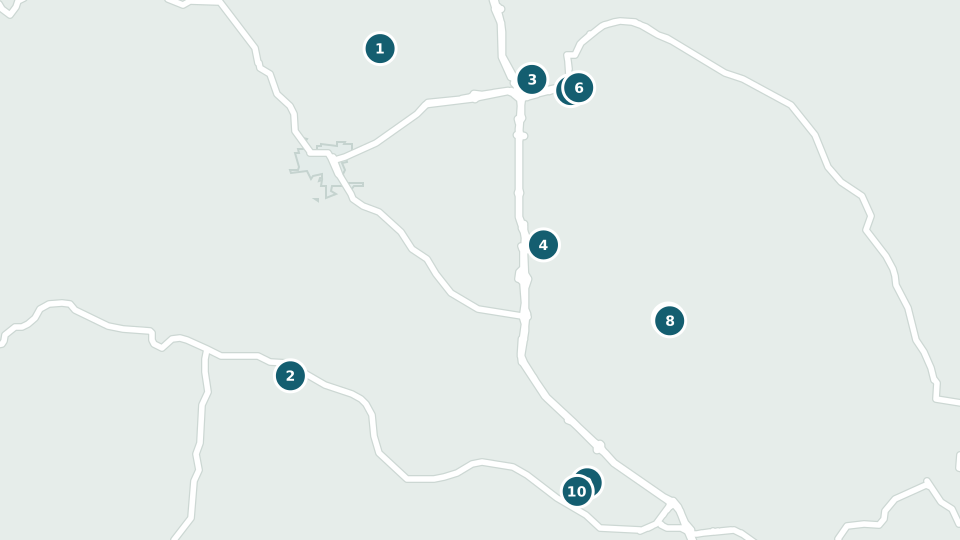
10 options near Sebastopol, CA, nearest first. Compare services and locations, then call to check availability.
This number connects to our central helpline, not directly to a listed facility.
You will speak with a real person who understands what you are going through.
The call is free and confidential, with no obligation to move forward.
You will leave the call knowing exactly what happens next.
If alcohol has become an emergency in your life or someone you love, you are in the right place to find help near Sebastopol. People usually start looking at a moment like this because drinking has gotten out of control, withdrawal symptoms have started, or a family member has finally said yes to getting care. The good news is that this part of Sonoma County has several state-licensed options within a short drive, including residential detox programs in Santa Rosa, Petaluma, Rohnert Park, and Penngrove.
On a first day at a detox program, you can expect an intake conversation about your drinking history and health, a check of your vital signs, and a plan to keep you safe and as comfortable as possible while the alcohol leaves your system. Staff will ask what you have been drinking, how much, and how recently, because those details shape how they watch over you. One thing to know before anything else: if you or someone near you is having seizures, hallucinations, confusion, or a racing heart, that is a medical emergency.
Call 911 or get to an emergency room right away rather than waiting for a program appointment. For everyone else, calling a facility directly is the fastest way to learn what to bring, whether a bed is open, and what the next step looks like.
Call (877) 712-7713
The three main levels of help do different jobs, so it helps to know which problem you actually have right now. Detox handles the physical danger of stopping. Heavy, long-term drinkers can have seizures, racing hearts, confusion and terrifying hallucinations when they quit cold turkey, and detox units exist to get you through that window with medicine and monitoring.
If you have ever had a seizure when you stopped drinking, or you drink around the clock, this is where you start. Residential rehab handles the habit itself. You live at the program, follow a structured day of counseling and groups, and put distance between yourself and your kitchen, your bar and your drinking friends while you practice new routines.
It is the right call when your environment is part of the problem or when you want intensive support early on. Outpatient handles the life around the drinking. You attend a program during the day or evening and sleep in your own bed.
It suits people with milder withdrawal risk, steady housing and a reason to stay home, like a job or small children. To choose, ask which one would fail first. If your body would fail without medical supervision, choose detox.
If your willpower would fail at home, choose residential. If neither is likely to fail but the drinking is still hurting you, outpatient is a reasonable place to begin. Plenty of people move between levels as their needs change.
Call (877) 712-7713Round-the-clock medical monitoring while your body clears alcohol safely.
You live on site for weeks, with therapy and structure every day.
Scheduled sessions while you keep living at home and working.
Ongoing support and check-ins that help sobriety last.
Make the most of the first call by having a short list in front of you. First, logistics: when can you start, what do you need to bring, and is there anything you should not bring. Second, medical safety: are there doctors or nurses on site, what medicines do they use for withdrawal, and how do they handle emergencies at three in the morning.
Third, money: do they accept your insurance, what is your estimated out-of-pocket cost, and is financial help available. Fourth, the program itself: how many weeks does it run, what does a day look like, is family included, and do they treat other issues like depression or pain at the same time. Fifth, the exit: what follow-up do they offer, and what do they recommend if things go badly after you leave.
Keep the answers in one place so you can compare programs side by side later.
For anyone exploring alcohol detox in California, the most common starting point is private health insurance, since many plans sold through employers or the state marketplace include behavioral health benefits that can substantially reduce out-of-pocket costs for detox services. Beyond private coverage, Medi-Cal—California's public health insurance program—covers substance use treatment, including detox, for eligible residents, and enrollment can often be initiated through the county at the same time a person seeks care. For those without insurance, many detox providers throughout the state offer sliding-scale fees based on income, and county-funded programs can provide treatment at little or no cost.
Self-pay is also an option, with some facilities offering payment plans to make private payment more manageable.
Reach our free, confidential helpline any time, day or night.
A short conversation helps match you with the right level of care.
If needed, withdrawal is managed safely under medical supervision.
You leave with a clear plan for ongoing treatment and support.
Distance, speed and fit matter more than reputation. A program you can reach in under half an hour, with an opening this week, will serve you better than a distant program with a month-long wait, because the day you decide to quit is a fragile day and every barrier between you and a bed is a chance to change your mind. Once you have a few realistic options, compare them on concrete things.
Does the program offer medical detox or will it refer you out? Will they bill your insurance and tell you your expected cost before admission, in writing if possible? What is the counselor-to-client ratio during the day, and who watches the unit at night?
Do they use medication for withdrawal and for cravings, or is the approach purely talk and groups? Are there separate tracks if you also deal with trauma, chronic pain or another substance? Finally, ask what happens on day one, and listen to how they describe it.
A program that can tell you exactly what your first hours will look like has thought about the moment you arrive, and that thoughtfulness tends to show up everywhere else.
If alcohol has become an emergency in your life or someone you love, you are in the right place to find help near Sebastopol.

Take this one seriously: heavy drinkers who stop suddenly can slide into a medical emergency within hours. Call 911 or head straight to the nearest emergency room if there is a seizure, hallucinations, severe confusion, a heart racing out of proportion to anything you are doing, vomiting that will not stop, or a fever during withdrawal. Do not sleep it off.
Do not attempt a last detox at home to tough it out. Do not get behind the wheel if your thinking or hands are not steady. If you are on the phone with a program and symptoms appear while you wait for intake, end the conversation about beds and go to the ER.
Emergency staff see alcohol withdrawal constantly, it is not a moral event to them, it is a medical one. Say plainly how long and how much the drinking has been going on and when the last drink was, and let them take it from there.
If you or someone else is in immediate danger, call 911 now.
Call (877) 712-77133250 Guerneville Rd, Santa Rosa, CA, 95401
Active
11207 Valley Ford Road, Petaluma, CA, 94952
Active
790 Sonoma Ave, Santa Rosa, CA, 95404
Active
608 Hudis Street, Rohnert Park, CA, 94928
Active
1430 Neotomas Avenue, Santa Rosa, CA, 95405
Active
1506 Ronne Drive, Santa Rosa, CA, 95401
Active
6851 Cold Springs Road, Penngrove, CA, 94951
Active
6868 Cold Spring Road, Penngrove, CA, 94951
Active
1733 Skillman Lane, Petaluma, CA, 94952
Active
1030 Thompson Lane, Petaluma, CA, 94952
Active
Expect several days, not several weeks. Withdrawal symptoms typically start within hours of the last drink, are usually strongest on the second and third day, and for most people ease off noticeably by the end of the first week. Sleep problems and irritability can linger longer. If you drink heavily every day, or you have ever had a seizure, shakes or hallucinations when stopping, your timeline could be more dangerous, so have a doctor or detox program involved from the start rather than riding it out alone.
For a light or moderate drinker, yes, usually. For a heavy daily drinker, stopping all at once without medical support can trigger seizures, dangerous heart rhythms and confusion, and it is one situation where quitting too fast can be life-threatening. The safest first move is a quick medical assessment, either through a detox program or your doctor, where you report honestly how much you drink and any past withdrawal episodes. If your risk is low, you may be able to stop at home with monitoring. If it is not, supervised detox with medication is the standard answer.
It often does, and it is worth saying early in the first phone call. Many rehab programs will not admit you until the physical withdrawal is over, so a completed detox, whether at a hospital or a detox clinic, is exactly what they are looking for. Be prepared to tell them when you finished, whether you have had any alcohol since, and what medications you were sent home with. Bring your discharge summary if you have one. If a program insists on repeating its own medical evaluation, that is normal caution on their part, not a rejection.
Last updated