 Sentinel Alcohol Detox
43825 Michigan Avenue, Canton, MI, 48188
Active
- Residential
- Detox
- Medication-assisted treatment
- Medicaid
City
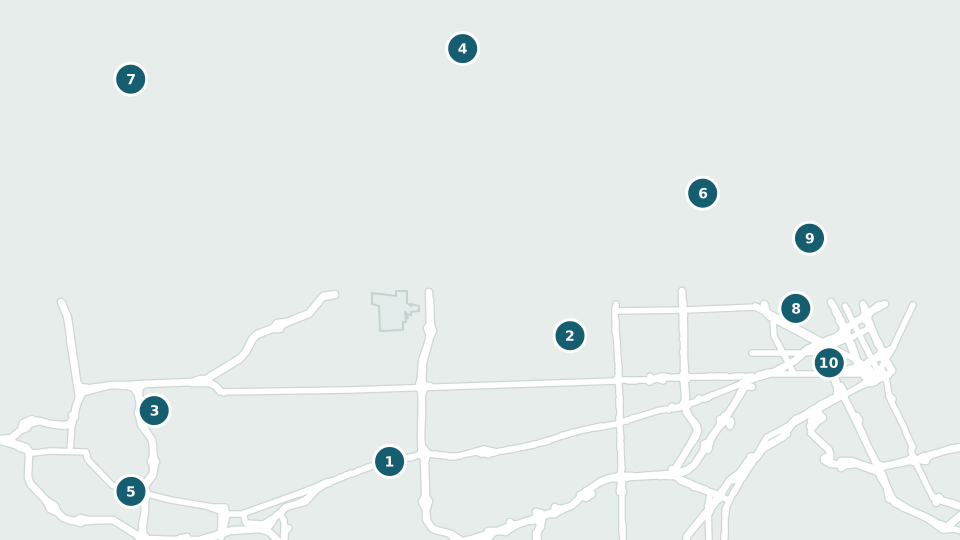
10 options near Plymouth, MI, nearest first. Compare services and locations, then call to check availability.
This number connects to our central helpline, not directly to a listed facility.
You will speak with a real person who understands what you are going through.
The call is free and confidential, with no obligation to move forward.
You will leave the call knowing exactly what happens next.
If alcohol use has become something you want to change, reaching out for help with detox in or near Plymouth can be the first real step. Detox is a medically supervised process where your body clears alcohol while you receive care to stay safe and as comfortable as possible. The first day typically includes a medical evaluation and a conversation about your alcohol use history, so the team can understand your needs and create a plan that fits you.
The focus is on stabilization, not judgment, and you will have professionals nearby throughout the process.
Call (877) 712-7713
Medical detox is the first step. It is a short-term program where doctors and nurses monitor your body as alcohol leaves your system. You may receive medication to prevent severe withdrawal symptoms.
Residential treatment means you live at the facility for several weeks or months. You attend daily therapy and groups to build a foundation for sobriety. Outpatient care allows you to live at home and attend treatment sessions a few hours each day or week.
You choose between them by looking at the severity of your drinking, your home environment, and whether you have a safe place to stay while you get help.
Call (877) 712-7713Round-the-clock medical monitoring while your body clears alcohol safely.
You live on site for weeks, with therapy and structure every day.
Scheduled sessions while you keep living at home and working.
Ongoing support and check-ins that help sobriety last.
Start by asking: 'What medical staff are on-site 24 hours a day?' You want to hear that a licensed nurse or doctor is always available. Then ask: 'What medications do you use for withdrawal?' Common options include benzodiazepines, but the program should explain their protocol. Finally, ask: 'What is your policy if I need to leave against medical advice?' The answer will tell you how they handle safety.
How you pay for alcohol detox in Michigan often depends on your personal circumstances. Private insurance, including plans from employers or the health insurance marketplace, frequently covers detox services, but you must check with your provider to understand your benefits and any preauthorization requirements. Public funding, such as through Michigan’s Medicaid or Medicare, can be a viable option for eligible residents, with coverage depending on income and other factors, so always confirm eligibility before admission.
For those without coverage, many detox centers provide sliding-scale fees based on income, and self-pay arrangements are generally accepted, allowing you to pay directly for services without insurance involvement.
Check whether each program provides 24-hour nursing or physician coverage. Without that, a detox may not be safe for heavy drinking. Look at the length of the detox: 5 to 7 days is standard, but some offer longer stays.
Compare the cost and whether they accept your insurance. Also consider the location. Some people need to leave their home environment entirely; others prefer to stay close to family support.
If alcohol use has become something you want to change, reaching out for help with detox in or near Plymouth can be the first real step.

Severe alcohol withdrawal can be life-threatening. Symptoms such as confusion, seizures, hallucinations, or a racing heart are medical emergencies. Call 911 or go to the nearest emergency room immediately.
Do not try to stop drinking on your own if you have these symptoms. Medical staff can stabilize you and start a safe detox. If you are alone, call a friend or family member on the way so someone knows your location.
If you or someone else is in immediate danger, call 911 now.
Call (877) 712-771343825 Michigan Avenue, Canton, MI, 48188
Active
27550 Joy Road, Livonia, MI, 48150
Active
4250 Plymouth Road, Rachel Upjohn Building, Ann Arbor, MI, 48109
Active
6773 West Maple Road, West Bloomfield, MI, 48322
Active
3300 Washtenaw Avenue, Suite 280, Ann Arbor, MI, 48104
Active
20820 Greenfield Road, Suite 100, Oak Park, MI, 48237
Active
12851 Grand River Road, Brighton, MI, 48116
Active
9600 Dexter Avenue, Detroit, MI, 48206
Active
300 West McNichols Street, Highland Park, MI, 48203
Active
3737 Lawton Street, Detroit, MI, 48208
Active
These lists use only what the 10 active facilities listed for Plymouth report to SAMHSA's FindTreatment.gov. No facility pays to be included or can ask to be moved. Reporting more options is not a measure of quality, outcomes or suitability for any person. A missing option means the facility did not report it to the source, not that it is not offered. Call the facility to confirm everything before relying on it.
How this list is made: each facility scores one point for each of these 5 levels of care (settings) it reports to SAMHSA's FindTreatment.gov (Residential (24-hour); Outpatient; Intensive outpatient; Partial hospitalization / day treatment; Hospital inpatient). A facility needs at least 3 to appear. Facilities are shown from the highest count to the lowest; facilities with the same count are in alphabetical order, which has no other meaning. Up to 10 are shown.
How this list is made: each facility scores one point for each of these 7 payment and cost-assistance options it reports to SAMHSA's FindTreatment.gov (Medicaid; Medicare; Private health insurance; Military insurance (TRICARE); Cash or self-payment; Sliding fee scale; Payment assistance). A facility needs at least 4 to appear. Facilities are shown from the highest count to the lowest; facilities with the same count are in alphabetical order, which has no other meaning. Up to 10 are shown.
How this list is made: each facility scores one point for each of these 4 medications used in treatment it reports to SAMHSA's FindTreatment.gov (Buprenorphine; Methadone; Naltrexone; Medication for alcohol use disorder). A facility needs at least 2 to appear. Facilities are shown from the highest count to the lowest; facilities with the same count are in alphabetical order, which has no other meaning. Up to 10 are shown.
How this list is made: each facility scores one point for each of these 12 age groups and client groups accepted it reports to SAMHSA's FindTreatment.gov (Adolescents; Young adults; Adults; Seniors; Pregnant or postpartum women; Adult women; Adult men; Veterans; Active duty military; Criminal justice clients; Clients who have experienced trauma; Co-occurring mental and substance use disorders). A facility needs at least 5 to appear. Facilities are shown from the highest count to the lowest; facilities with the same count are in alphabetical order, which has no other meaning. Up to 10 are shown.
A medical evaluation is the best way to find out if you need medically supervised detox. A doctor or clinician can assess your alcohol use, physical health, and any withdrawal symptoms you may be experiencing. Even if you are unsure, calling a detox program to ask about an evaluation is a safe place to start.
Most detox programs will give you a list of what to bring when you call to schedule. Common items include a valid ID, insurance card (if you have one), a list of current medications, and comfortable clothing. Many programs discourage bringing valuables. It is best to call the specific program ahead of time to confirm their requirements.
Stopping suddenly after heavy or long-term drinking can cause dangerous symptoms like seizures. Medically supervised detox is safer. Programs monitor your vitals and give medication if needed.
Leaving early increases your risk of relapse and severe withdrawal. Programs will try to talk with you about staying. If you do leave, they may help you set up a safety plan.
Call the program's intake line. They will ask about your drinking history, any previous withdrawal, and your insurance. They may also ask you to come in for an assessment or arrange transportation.
Last updated