 Sentinel Alcohol Detox
7305 North Military Trail, Palm Beach Gardens, FL, 33410
Active
- Hospital inpatient
- Detox
- Medication-assisted treatment
- Private insurance
City
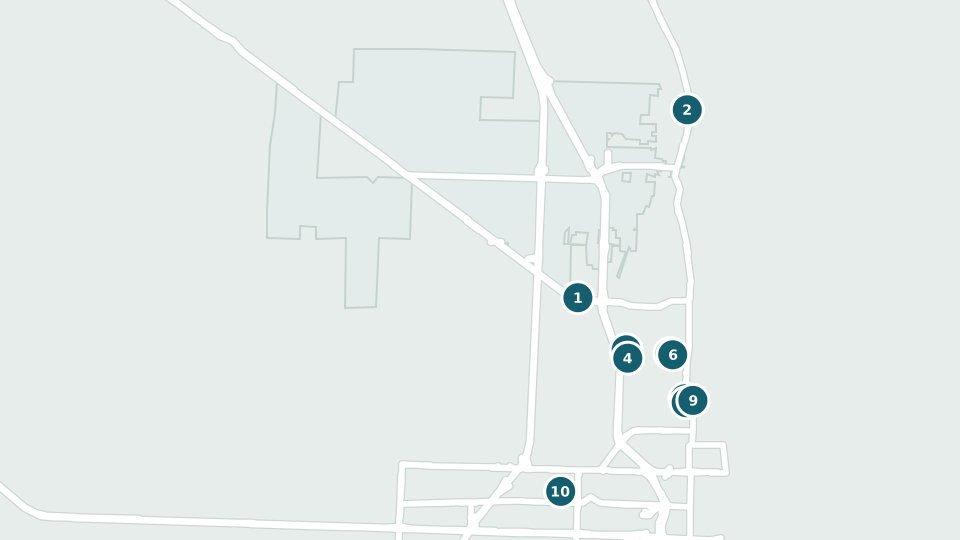
10 options near Palm Beach Gardens, FL, nearest first. Compare services and locations, then call to check availability.
This number connects to our central helpline, not directly to a listed facility.
You will speak with a real person who understands what you are going through.
The call is free and confidential, with no obligation to move forward.
You will leave the call knowing exactly what happens next.
If you are looking for alcohol detox in or near Palm Beach Gardens right now, it is usually because drinking has started to feel out of control, or because someone you love is drinking in a way that scares you. Either way, you are in the right place to start. The area around Palm Beach Gardens has licensed treatment options nearby, including facilities in North Palm Beach and West Palm Beach, so you do not have to figure this out completely alone.
The first day at a detox facility usually begins with a phone call or a walk-in. Someone will ask about how much and how often you drink, how long it has been since your last drink, and whether you have tried to stop before. You will also be asked about your health history and any medications you take. This helps staff decide how much medical support you need while alcohol leaves your system. Alcohol withdrawal can be uncomfortable and, for some people, dangerous, so facilities watch people closely during the first few days. If you or the person you are worried about is already having seizures, hallucinations, severe confusion, or a racing heart, call 911 or go to the nearest emergency room right now instead of waiting for a treatment program.
After the initial questions, most people get a physical check and a plan for the days ahead. You may be given medicine to ease withdrawal symptoms, and staff will check on you regularly. Detox is short, usually a matter of days, and its job is to get you safely through withdrawal so you can move on to longer-term care. It is normal to feel nervous about walking in. Most people do. The staff at these facilities handle withdrawal every day, and asking for help is the hardest part for almost everyone.
Call (877) 712-7713
The difference between these programs is where you sleep and how much medical attention your body needs. Detox means staying at a facility for a handful of days while the alcohol leaves your system, with staff nearby in case withdrawal turns serious. That matters because heavy drinking changes how your brain works, and stopping suddenly can cause seizures or hallucinations in some people.
Residential treatment is a longer stay, often several weeks, where every day is structured around therapy, groups, and learning how to live without drinking. Outpatient lets you stay home and visit the program on a set schedule, usually a few sessions a week. To choose, be honest about your drinking pattern.
Daily heavy drinking, morning drinks to stop the shakes, or a history of withdrawal symptoms point to detox first. Once you are medically safe, pick residential if your home environment makes staying sober hard, and outpatient if your life outside is fairly stable and you can get to appointments reliably.
Call (877) 712-7713Round-the-clock medical monitoring while your body clears alcohol safely.
You live on site for weeks, with therapy and structure every day.
Scheduled sessions while you keep living at home and working.
Ongoing support and check-ins that help sobriety last.
A first call should cover timing, money, and medicine. How soon can I come in, and if it is more than a day away, what should I do about drinking in the meantime? Will a doctor or nurse evaluate me when I arrive?
What medicines do you give for withdrawal, and are they included in the price? Do you accept my insurance, and can you verify it while I am on the phone? How long is the stay, and can I leave early if I want to?
What happens right after I finish? Finally, ask something that reveals how they treat people: what should I bring, and what will the first day be like? The tone of the answer tells you whether the staff sees patients as people or as beds to fill.
Across Florida, people seeking alcohol detox commonly pay in a few different ways. Many use private health insurance, and coverage for detox can vary depending on the plan, so it is wise to contact the insurer to confirm what substance use treatment benefits are included. For those without private coverage, Florida Medicaid is the state's public health insurance program, and it may pay for detox services for eligible residents.
Some detox programs also offer sliding-scale fees, which adjust the cost of care based on a person's income and financial situation. Finally, self-pay is an option for those who prefer to pay out of pocket or do not have insurance, and many facilities can discuss payment plans or upfront costs before admission.
Reach our free, confidential helpline any time, day or night.
A short conversation helps match you with the right level of care.
If needed, withdrawal is managed safely under medical supervision.
You leave with a clear plan for ongoing treatment and support.
When you are weighing two or three places, the deciding factors are practical ones. Can you actually get in soon, and do they have a bed now? Will your insurance cover it, or can they tell you a real number for what you would pay out of pocket before you commit?
Is the care medical, with licensed staff on site, or is it supervision only? How long does the program run, and is there a clear plan for the day you leave, because the weeks after discharge are when most relapses happen? Visit if you can, or at least ask detailed questions by phone.
Notice whether the person answering treats your questions with respect or brushes you off. How a place handles your first anxious call tells you a lot about how it will handle you as a patient. If money is the barrier, say so plainly on the call and ask about sliding fees, state funding, or charity care before you cross a place off your list.
If you are looking for alcohol detox in or near Palm Beach Gardens right now, it is usually because drinking has started to feel out of control, or because someone you love is drinking in a way that scares you.

Stop reading and act if any of this is happening right now: a seizure, hallucinations, confusion about where the person is, a heart that feels like it is pounding out of the chest, heavy sweating with fever, or repeated vomiting after drinking has stopped. This is a medical emergency, the same way chest pain is. Call 911 or get to the closest emergency room immediately.
Do not attempt an at-home detox for symptoms this severe, and do not give the person more alcohol as a way to calm things down. Tell the responders how much was being drunk and when the last drink was; that detail helps them a lot. If things are bad but not at that level, and the person is shaky, anxious, and sick, that still deserves medical attention today rather than waiting, so call a detox program or a doctor the same day and describe the symptoms honestly.
If you or someone else is in immediate danger, call 911 now.
Call (877) 712-77137305 North Military Trail, Palm Beach Gardens, FL, 33410
Active
13321 U.S. Highway 1, North Palm Beach, FL, 33408
Active
2151 45th Street, Suite 108, West Palm Beach, FL, 33407
Active
4461 Medical Center Way, Suite A, West Palm Beach, FL, 33407
Active
1101 54th Street, West Palm Beach, FL, 33407
Active
900 54th Street, West Palm Beach, FL, 33407
Active
2901 Broadway Avenue, West Palm Beach, FL, 33407
Active
2700 Broadway Avenue, West Palm Beach, FL, 33407
Active
2809 Poinsettia Avenue, Suites 1, 2, and 6, West Palm Beach, FL, 33407
Active
1325 Haverhill Road, West Palm Beach, FL, 33417
Active
These lists use only what the 10 active facilities listed for Palm Beach Gardens report to SAMHSA's FindTreatment.gov. No facility pays to be included or can ask to be moved. Reporting more options is not a measure of quality, outcomes or suitability for any person. A missing option means the facility did not report it to the source, not that it is not offered. Call the facility to confirm everything before relying on it.
How this list is made: each facility scores one point for each of these 5 levels of care (settings) it reports to SAMHSA's FindTreatment.gov (Residential (24-hour); Outpatient; Intensive outpatient; Partial hospitalization / day treatment; Hospital inpatient). A facility needs at least 3 to appear. Facilities are shown from the highest count to the lowest; facilities with the same count are in alphabetical order, which has no other meaning. Up to 10 are shown.
How this list is made: each facility scores one point for each of these 7 payment and cost-assistance options it reports to SAMHSA's FindTreatment.gov (Medicaid; Medicare; Private health insurance; Military insurance (TRICARE); Cash or self-payment; Sliding fee scale; Payment assistance). A facility needs at least 4 to appear. Facilities are shown from the highest count to the lowest; facilities with the same count are in alphabetical order, which has no other meaning. Up to 10 are shown.
How this list is made: each facility scores one point for each of these 4 medications used in treatment it reports to SAMHSA's FindTreatment.gov (Buprenorphine; Methadone; Naltrexone; Medication for alcohol use disorder). A facility needs at least 2 to appear. Facilities are shown from the highest count to the lowest; facilities with the same count are in alphabetical order, which has no other meaning. Up to 10 are shown.
How this list is made: each facility scores one point for each of these 12 age groups and client groups accepted it reports to SAMHSA's FindTreatment.gov (Adolescents; Young adults; Adults; Seniors; Pregnant or postpartum women; Adult women; Adult men; Veterans; Active duty military; Criminal justice clients; Clients who have experienced trauma; Co-occurring mental and substance use disorders). A facility needs at least 5 to appear. Facilities are shown from the highest count to the lowest; facilities with the same count are in alphabetical order, which has no other meaning. Up to 10 are shown.
If you drink heavily every day or have felt sick, shaky, sweaty, or anxious when you stop or cut back, it is safer to detox with medical help than on your own. A facility can assess you and tell you what level of care fits your situation. If you are having seizures, hallucinations, confusion, or a racing heart, call 911 or go to an emergency room immediately.
Detox gets you safely through withdrawal, but it is only the first step. Most people move on to some form of ongoing treatment, such as counseling or a residential program, to work on staying sober. The facility you detox at can usually talk with you about what comes next before you leave.
You will be asked how much you drink, when your last drink was, and what happens to your body when you go without alcohol. Expect a medical check of your blood pressure, heart rate, and general health. Medications may be given to ease withdrawal symptoms. There are usually regular check-ins by staff, simple meals, rest, and quiet time, and the environment is kept calm and free of alcohol.
Many programs will talk with you the same day, and some can admit within a day or two, but it varies. That is why the first call matters so much: ask directly how soon they can see you and what to do while you wait. If there is any waiting period, ask them to help you plan a safe bridge, and remember the emergency signs to watch for in the meantime.
Yes, and it happens all the time. Programs are used to people who arrive uncertain, hungover, or after a rough night, and no one there will be shocked or lecture you. What matters to them is that you came. Being honest about the last few days helps them keep you safe during withdrawal. Walking in scared is still walking in, and that counts.
Last updated