 Sentinel Alcohol Detox

1256 Walker Ave NW, Grand Rapids, MI, 49504
Active
- Residential
- Detox
- Medication-assisted treatment
- Medicaid
City
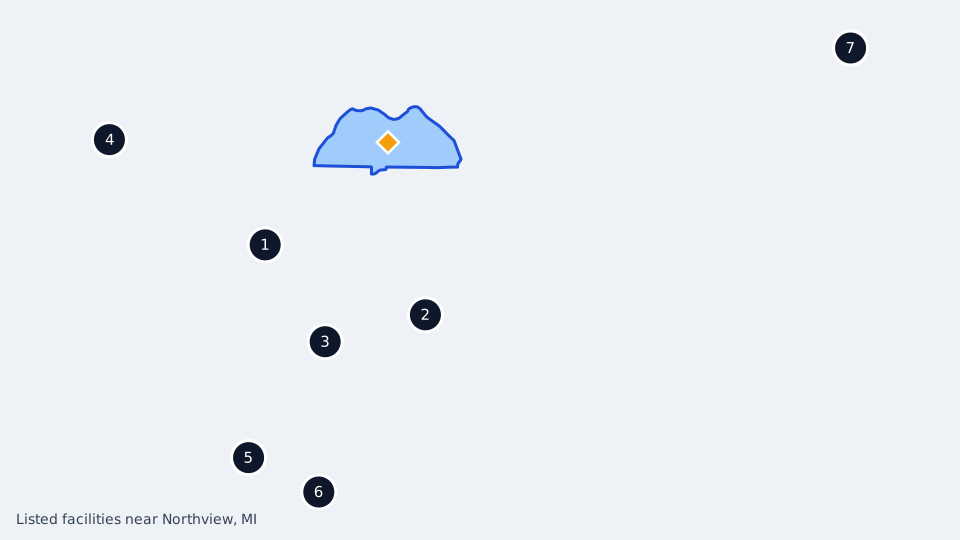
7 options near Northview, MI, nearest first. Compare services and locations, then call to check availability.
This number connects to our central helpline, not directly to a listed facility.
You will speak with a real person who understands what you are going through.
The call is free and confidential, with no obligation to move forward.
You will leave the call knowing exactly what happens next.
If you're in or near Northview and looking for alcohol detox services, you may be feeling a mix of concern and determination. The first day typically involves a medical and psychological assessment to understand your needs, followed by the start of a supervised detox process to help manage withdrawal symptoms in a safe, supportive environment.
Call (877) 712-7713
Medical detox manages the physical danger of stopping alcohol. This is where you are monitored for severe symptoms like high blood pressure, confusion, or hallucinations. Residential treatment offers a structured environment with group and individual therapy, often lasting 30 to 90 days.
Outpatient care allows you to keep working or caring for family while getting treatment a few hours each week. To decide: if you have withdrawal symptoms now or have had them before, start with detox. If you have tried outpatient before and relapsed, consider residential.
If your drinking is moderate and you have good support at home, outpatient might work.
Call (877) 712-7713Round-the-clock medical monitoring while your body clears alcohol safely.
You live on site for weeks, with therapy and structure every day.
Scheduled sessions while you keep living at home and working.
Ongoing support and check-ins that help sobriety last.
Key questions for the first call: What is your staffing ratio of nurses to patients? How do you monitor blood pressure and heart rate? How long does detox typically last for someone who drinks daily?
Do you offer any medications like benzodiazepines or comfort meds? Do you help with transportation to the program? Do you coordinate with a therapist or counselor for after detox?
Ask for a tour or at least a description of the facility. Ask if they have treated someone with your medical history before.
Payment for alcohol detox in the state of Michigan is handled through several common methods. Private insurance, including plans from major carriers or those obtained through the Health Insurance Marketplace, often includes detox as a covered benefit if it is medically required, but it is crucial to verify your specific policy details and any network restrictions. Public programs like Michigan’s Medicaid (Healthy Michigan) or Medicare may cover detox for eligible individuals, though you must confirm your eligibility and the facility’s participation.
Additionally, many facilities offer sliding-scale fees that adjust based on your financial situation, and self-pay is a straightforward option for those who prefer to pay out-of-pocket without relying on insurance or government programs.
Reach our free, confidential helpline any time, day or night.
A short conversation helps match you with the right level of care.
If needed, withdrawal is managed safely under medical supervision.
You leave with a clear plan for ongoing treatment and support.
Concrete criteria: verify the program is licensed by your state health department. Ask how many years they have been operating. Check online reviews, but take them with a grain of salt.
Ask if the facility is locked or open — some detox centers are locked for safety. Ask about amenities: private rooms, exercise, or outdoor space matter for comfort during withdrawal. Ask if they have a registered dietitian for nutritional support.
If you have a job, ask about flexible scheduling or evening programs. If you have children, ask if they have family-friendly policies or childcare referrals.
If you're in or near Northview and looking for alcohol detox services, you may be feeling a mix of concern and determination.

This is an emergency: if you have shaking in your hands that you cannot control, if you are vomiting, or if you feel like you might faint. Also call 911 if you have had a seizure or if someone with you has had one. Do not give the person more alcohol to 'calm' the withdrawal.
Get medical help immediately. Emergency services are free to call from any phone.
If you or someone else is in immediate danger, call 911 now.
Call (877) 712-77131256 Walker Ave NW, Grand Rapids, MI, 49504
Active
1179 East Paris Avenue SE, Suite 100, Grand Rapids, MI, 49546
Active
2080 Union Avenue SE, Suite B, Grand Rapids, MI, 49507
Active
15146 16th Avenue, Marne, MI, 49435
Active
5838 Metro Way SW, Wyoming, MI, 49519
Active
300 68th Street SE, Grand Rapids, MI, 49548
Active
420 Covered Village Mall, Belding, MI, 48809
Active
Free and confidential. Call any time.
These lists use only what the 7 active facilities listed for Northview report to SAMHSA's FindTreatment.gov. No facility pays to be included or can ask to be moved. Reporting more options is not a measure of quality, outcomes or suitability for any person. A missing option means the facility did not report it to the source, not that it is not offered. Call the facility to confirm everything before relying on it.
How this list is made: each facility scores one point for each of these 5 levels of care (settings) it reports to SAMHSA's FindTreatment.gov (Residential (24-hour); Outpatient; Intensive outpatient; Partial hospitalization / day treatment; Hospital inpatient). A facility needs at least 3 to appear. Facilities are shown from the highest count to the lowest; facilities with the same count are in alphabetical order, which has no other meaning. Up to 10 are shown.
How this list is made: each facility scores one point for each of these 7 payment and cost-assistance options it reports to SAMHSA's FindTreatment.gov (Medicaid; Medicare; Private health insurance; Military insurance (TRICARE); Cash or self-payment; Sliding fee scale; Payment assistance). A facility needs at least 4 to appear. Facilities are shown from the highest count to the lowest; facilities with the same count are in alphabetical order, which has no other meaning. Up to 10 are shown.
How this list is made: each facility scores one point for each of these 4 medications used in treatment it reports to SAMHSA's FindTreatment.gov (Buprenorphine; Methadone; Naltrexone; Medication for alcohol use disorder). A facility needs at least 2 to appear. Facilities are shown from the highest count to the lowest; facilities with the same count are in alphabetical order, which has no other meaning. Up to 10 are shown.
How this list is made: each facility scores one point for each of these 12 age groups and client groups accepted it reports to SAMHSA's FindTreatment.gov (Adolescents; Young adults; Adults; Seniors; Pregnant or postpartum women; Adult women; Adult men; Veterans; Active duty military; Criminal justice clients; Clients who have experienced trauma; Co-occurring mental and substance use disorders). A facility needs at least 5 to appear. Facilities are shown from the highest count to the lowest; facilities with the same count are in alphabetical order, which has no other meaning. Up to 10 are shown.
It's a good idea to bring a valid ID, insurance card if you have one, a list of any medications you take, and comfortable clothing. The facility will let you know if they have any other specific requirements.
The length of detox varies from person to person. A typical medically supervised detox program lasts anywhere from three to seven days, but the exact timeline depends on your individual health and the severity of your withdrawal symptoms.
Detoxing at home is not recommended for heavy drinkers. Withdrawal can cause seizures or heart problems that need immediate medical care. A medical detox program is the safest option. If you have only mild symptoms, talk to your doctor first.
After detox, most people need ongoing treatment such as residential or outpatient care. Detox alone does not help with the long-term reasons you drank. A good program will help you plan the next step before you leave.
Many detox programs accept private insurance, Medicaid, or Medicare. Some offer sliding scale fees based on income. There are also state-funded programs that are free. Call the program first to ask about payment options.
Last updated