 Sentinel Alcohol Detox

8223 West 20th Street, Suite 100-A, Greeley, CO, 80634
Active
- Residential
- Detox
- Medication-assisted treatment
- Medicaid
City
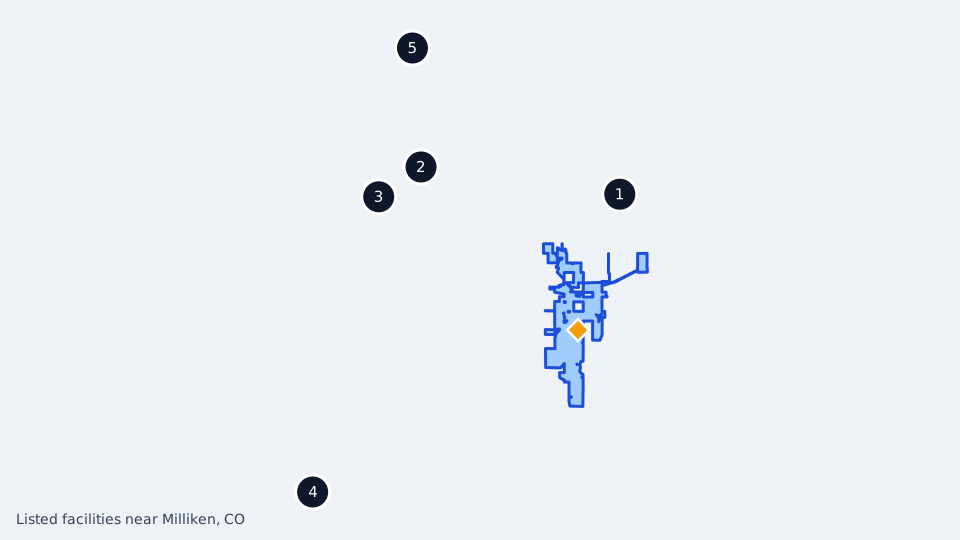
5 options near Milliken, CO, nearest first. Compare services and locations, then call to check availability.
This number connects to our central helpline, not directly to a listed facility.
You will speak with a real person who understands what you are going through.
The call is free and confidential, with no obligation to move forward.
You will leave the call knowing exactly what happens next.
If you are looking for alcohol detox in or near Milliken right now, it is usually because drinking has started to feel out of control, or because stopping has brought on shakes, sweating, or fear of what happens next. That worry is common, and it makes sense to get help before things get worse. The first day of detox normally involves a phone call or a walk-in conversation where staff ask about how much you drink, how long you have been drinking, and how you feel when you go without it.
They also ask about your health history and any medications you take. From there, the team decides how much support you need while the alcohol leaves your system. Some people stay a few days in a supervised setting where staff watch for problems and can ease the discomfort.
Others do fine with check-ins from home. Either way, you do not have to figure it out alone on day one. If you or someone near you has seizures, hallucinations, confusion, or a racing heart while withdrawing, call 911 or get to an emergency room right away.
That is a medical emergency, not something to wait out.
Call (877) 712-7713
The three main kinds of alcohol care differ in where you sleep, how long it lasts, and how much medical watching is involved. Detox is the medically supervised process of getting alcohol out of your system safely. It typically lasts under a week, and the staff's main job is managing withdrawal, which for some heavy drinkers is genuinely dangerous: symptoms can escalate to seizures, hallucinations, confusion, or a heart racing out of control.
If you drink around the clock, wake up needing a drink, or have felt physically ill when you missed drinking even one day, detox should come first, and it should happen with medical supervision rather than alone at home. Residential treatment starts where detox ends. You live at the program, follow a structured daily schedule of individual counseling, group sessions, and relapse-prevention work, usually for several weeks.
People choose it when their living situation feeds the drinking, when they have serious mental health issues alongside it, or when shorter efforts have not held. Outpatient treatment keeps you in your own bed. You attend sessions on a set schedule, often in the evenings or on days off, while you keep working or caring for family.
It fits when your drinking pattern is less physically entrenched, your home is stable and supportive, and you can honestly avoid drinking between sessions. Many people begin with detox, step down to residential, and later move to outpatient, so the choice is not permanent. The decision you make this week is simply the safest starting point, and any good program will reassess you after the first few days.
Call (877) 712-7713Round-the-clock medical monitoring while your body clears alcohol safely.
You live on site for weeks, with therapy and structure every day.
Scheduled sessions while you keep living at home and working.
Ongoing support and check-ins that help sobriety last.
Here is what is worth asking on that first call, in rough order of importance. Is there a doctor involved in care, and who is present overnight? Severe withdrawal can worsen at odd hours, so round-the-clock medical coverage is not a luxury.
How soon can I be admitted, and what does the assessment involve? Speed matters when someone has finally agreed to go. Do you accept my insurance, and what will my out-of-pocket cost be?
A surprise bill can end treatment early, so get numbers in writing if they will give them. Do you use medication for withdrawal symptoms, and how do you handle a medical emergency if one comes up? Do you treat mental health conditions like depression or anxiety alongside the drinking, or will I need somewhere else for that?
What happens after I finish: is there a scheduled next step, a counselor lined up, a group I can join? Can my family take part in my care if I want that? Write the answers down.
If you call two programs with the same list, the differences between them will become obvious within ten minutes.
Most people who enter an alcohol detox program in Colorado rely on private health insurance to cover some or all of their treatment costs, since policies sold through employers or the health insurance marketplace typically include substance use disorder benefits. Colorado residents without private coverage may qualify for Health First Colorado, the state's Medicaid program, which can pay for detox and related treatment for those who meet income and eligibility requirements. Many detox providers across the state also offer sliding-scale fees, adjusting what a person pays based on household income, and self-pay with cash, credit, or a payment plan remains an option for those who prefer not to use insurance.
Choosing between programs comes down to four practical questions you can answer with a couple of phone calls. Can they keep me safe? Ask about medical supervision, whether a doctor oversees care, and how they handle severe withdrawal symptoms like seizures or hallucinations.
Can I actually get in? Ask what the intake process involves, how soon you could start, and what documents or insurance information to bring. A program that cannot see you for weeks is not your answer tonight, no matter how good it looks.
Can I pay for it? Confirm in advance whether they accept your insurance plan, what your out-of-pocket share would be, and whether payment arrangements exist if you are uninsured; a surprise bill is a real obstacle to finishing treatment. Will they still be there next month?
The riskiest gap is the one between detox ending and longer-term care beginning, so ask how they handle that handoff: do they schedule your first counseling session before you leave, do they connect you to local support groups, is there follow-up contact? Beyond those four, think about fit: a program whose schedule, location, and atmosphere match your life is one you will actually stay in, and staying in is what determines whether any of this works.
If you are looking for alcohol detox in or near Milliken right now, it is usually because drinking has started to feel out of control, or because stopping has brought on shakes, sweating, or fear of what happens next.

If withdrawal has gone beyond feeling rough, act as though it is an emergency, because it is one. Alcohol withdrawal, in a person with heavy daily drinking, can cause seizures within the first day or two, and it can progress to hallucinations, deep confusion, a heart hammering so fast it feels like it will burst, vomiting that will not stop, or fever. Any one of those means you call 911 or get to the nearest emergency department without delay.
The person who needs to go may insist they are fine; confusion and agitation are themselves symptoms, so do not let the illness do the negotiating. Do not put them in your car if they are seizing, severely confused, or unstable; call for an ambulance instead. When you arrive, say clearly how much they were drinking, how long it has been going on, and when the last drink was, since safe treatment depends on that history.
Emergency teams see alcohol withdrawal regularly, they can control it with medication, and getting there quickly is what prevents the worst outcomes, including brain injury and death in the most severe cases. Once the emergency is stabilized, ask the hospital to connect you to a detox program or to start the referral before discharge, because the days right after an emergency visit are when people are most ready to accept help.
If you or someone else is in immediate danger, call 911 now.
Call (877) 712-77138223 West 20th Street, Suite 100-A, Greeley, CO, 80634
Active
4565 Kendall Parkway, Loveland, CO, 80538
Active
1640 Topaz Drive, Loveland, CO, 80537
Active
1308 Vivian Street, Longmont, CO, 80501
Active
4880 Ziegler Road, Fort Collins, CO, 80528
Active
Free and confidential. Call any time.
These lists use only what the 5 active facilities listed for Milliken report to SAMHSA's FindTreatment.gov. No facility pays to be included or can ask to be moved. Reporting more options is not a measure of quality, outcomes or suitability for any person. A missing option means the facility did not report it to the source, not that it is not offered. Call the facility to confirm everything before relying on it.
How this list is made: each facility scores one point for each of these 5 levels of care (settings) it reports to SAMHSA's FindTreatment.gov (Residential (24-hour); Outpatient; Intensive outpatient; Partial hospitalization / day treatment; Hospital inpatient). A facility needs at least 3 to appear. Facilities are shown from the highest count to the lowest; facilities with the same count are in alphabetical order, which has no other meaning. Up to 10 are shown.
How this list is made: each facility scores one point for each of these 7 payment and cost-assistance options it reports to SAMHSA's FindTreatment.gov (Medicaid; Medicare; Private health insurance; Military insurance (TRICARE); Cash or self-payment; Sliding fee scale; Payment assistance). A facility needs at least 4 to appear. Facilities are shown from the highest count to the lowest; facilities with the same count are in alphabetical order, which has no other meaning. Up to 10 are shown.
How this list is made: each facility scores one point for each of these 4 medications used in treatment it reports to SAMHSA's FindTreatment.gov (Buprenorphine; Methadone; Naltrexone; Medication for alcohol use disorder). A facility needs at least 2 to appear. Facilities are shown from the highest count to the lowest; facilities with the same count are in alphabetical order, which has no other meaning. Up to 10 are shown.
How this list is made: each facility scores one point for each of these 12 age groups and client groups accepted it reports to SAMHSA's FindTreatment.gov (Adolescents; Young adults; Adults; Seniors; Pregnant or postpartum women; Adult women; Adult men; Veterans; Active duty military; Criminal justice clients; Clients who have experienced trauma; Co-occurring mental and substance use disorders). A facility needs at least 5 to appear. Facilities are shown from the highest count to the lowest; facilities with the same count are in alphabetical order, which has no other meaning. Up to 10 are shown.
You talk with staff about your drinking, your health, and your medications, and they decide how much supervision you need while the alcohol leaves your body. If withdrawal turns severe, with seizures, hallucinations, confusion, or a racing heart, call 911 or go to an ER.
It can be. Seizures, hallucinations, confusion, or a racing heart are signs of severe withdrawal and mean you should call 911 or get to an emergency room right away rather than wait for a detox bed.
This is not a decision to make by willpower alone. Alcohol is one of the few substances whose withdrawal can be life-threatening: seizures, hallucinations, and dangerous heart-rhythm changes can appear when a heavy drinker stops suddenly. If you drink every day, drink first thing in the morning, or have ever felt sick or shaky when you went too long without a drink, assume you need medical supervision and arrange it before you quit. A detox program can assess you in one visit and tell you honestly whether a supervised setting or an outpatient approach fits your situation. The wrong kind of toughness here is the kind that puts you in an ambulance.
Detox is short by design, usually under a week for alcohol, with the most intense symptoms hitting in the first couple of days and easing after that. Sleep problems, anxiety, and low mood can linger for weeks after the medical part ends, which is one reason the days right after detox are so important to fill with counseling or a support group. When you call a program, ask two things: how long the supervised part typically lasts for someone with your drinking pattern, and what they line up for you once it ends. A program that answers both questions clearly is one that treats detox as the beginning of treatment, not the whole thing.
Bring identification, your insurance information if you have it, and any medications you take, in their original labeled bottles. Pack a few days of plain, comfortable clothes and personal hygiene items, making sure none contain alcohol, so no mouthwash, hand sanitizer, or alcohol-based perfumes. Leave valuables, large amounts of cash, and anything you would be upset to lose. It also helps to write down your drinking history honestly: how much per day, for how long, and when your last drink was, since the medical team needs that to treat you safely. If you are unsure about any item, a quick call to the program before you leave will sort it out.
Last updated