 Sentinel Alcohol Detox
15728 Road 29 1/2, Madera, CA, 93636
Active
- Detox
- Incidental medical services
- Licensed or certified
- Residential
City
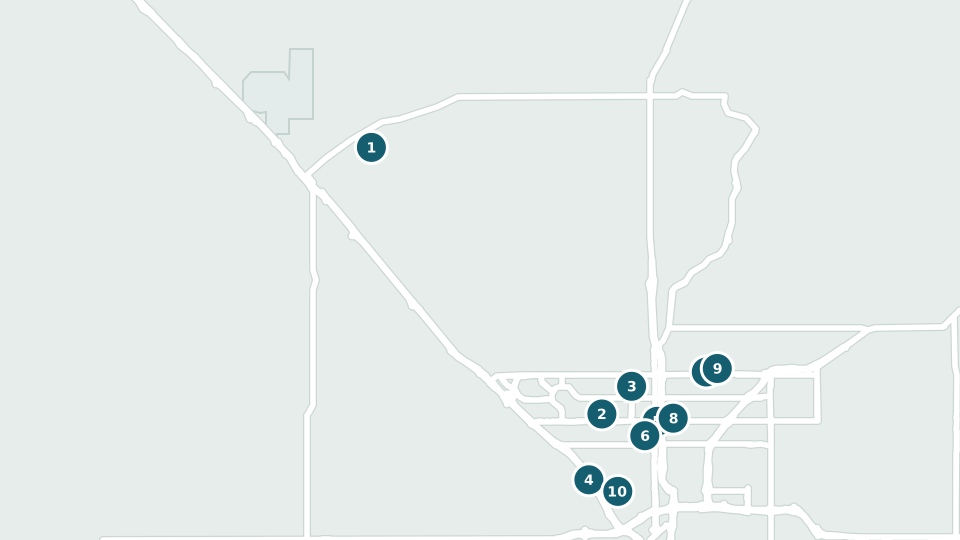
10 options near Madera Acres, CA, nearest first. Compare services and locations, then call to check availability.
This number connects to our central helpline, not directly to a listed facility.
You will speak with a real person who understands what you are going through.
The call is free and confidential, with no obligation to move forward.
You will leave the call knowing exactly what happens next.
If you are reading this tonight, chances are that drinking has stopped being a background problem and become a live one: your own or someone you love shakes, sweats, or feels sick without a drink, and the last few days have been frightening. In Madera Acres, an unincorporated patch of Madera County just northwest of the city of Madera, most supervised detox happens at programs in the city of Madera or in Fresno, roughly a 25-mile circle that includes several licensed residential detox facilities. A supervised detox exists because alcohol withdrawal can turn dangerous quickly, and the first day at a program is mostly about safety: you or your family member will be asked about drinking history, health conditions, and any withdrawal symptoms so far, and staff will monitor and keep you as comfortable as possible while your body clears the alcohol.
Nothing in that first day commits you to months of anything. It is a short, focused step with one goal: get you through withdrawal without medical harm, then talk about what comes next.
Call (877) 712-7713
Detox is the first step, and it is short. It means medical staff watch you while the alcohol clears your body, usually over three to seven days, and they can treat the shaking, sweating, nausea, anxiety and sleeplessness that come with stopping. Residential treatment comes next for many people: you live at the facility for weeks at a time, follow a full daily schedule of counseling and groups, and stay away from the settings where you drank.
Outpatient care means you keep living at home and come in for appointments a few times a week, which works best once the physical danger has passed and your home situation is steady. If you have been drinking heavily every day, or you shake or sweat when you go a few hours without a drink, start with detox and let the staff there help you decide what comes after. Someone whose drinking is heavy but who is medically stable and has support at home may be able to go straight to outpatient, but that is a call a clinician should make, not a guess you make alone at the kitchen table.
Call (877) 712-7713Round-the-clock medical monitoring while your body clears alcohol safely.
You live on site for weeks, with therapy and structure every day.
Scheduled sessions while you keep living at home and working.
Ongoing support and check-ins that help sobriety last.
On your first call, get answers to these questions. When can you admit me, and is there a waiting list? Is there a doctor or nurse on site, or on call, at all hours?
Do you take my insurance, and what would I owe out of pocket? How long does the program last, and what does a typical day look like? What medications do you use for withdrawal symptoms?
What happens after detox, and do you help arrange the next step? Can family visit or call? What should I bring with me, and what is not allowed?
Write the answers down while you are on the phone, because you will not remember them later.
For anyone exploring alcohol detox in California, the most common starting point is private health insurance, since many plans sold through employers or the state marketplace include behavioral health benefits that can substantially reduce out-of-pocket costs for detox services. Beyond private coverage, Medi-Cal—California's public health insurance program—covers substance use treatment, including detox, for eligible residents, and enrollment can often be initiated through the county at the same time a person seeks care. For those without insurance, many detox providers throughout the state offer sliding-scale fees based on income, and county-funded programs can provide treatment at little or no cost.
Self-pay is also an option, with some facilities offering payment plans to make private payment more manageable.
Reach our free, confidential helpline any time, day or night.
A short conversation helps match you with the right level of care.
If needed, withdrawal is managed safely under medical supervision.
You leave with a clear plan for ongoing treatment and support.
Judge a program by four things you can actually check on a first call. First, can they take you when you need them, and if not, how long is the wait and what should you do in the meantime? Second, is there real medical staffing, meaning a doctor or nurse involved, not just counselors checking in occasionally?
Third, will they take your insurance, and if you are uninsured, do they offer sliding scale fees or payment plans? Fourth, what happens after the program ends? A good facility has an answer for the next step, whether that is residential care, outpatient sessions, or a support group plan.
Distance matters less than fit. A place thirty minutes away that takes your insurance and can admit you this week beats a famous one two states over that costs more than you can pay.
If you are reading this tonight, chances are that drinking has stopped being a background problem and become a live one: your own or someone you love shakes, sweats, or feels sick without a drink, and the last few days have been frightening.

If you or someone near you has shaking hands, a racing heart, sweating, vomiting, confusion, hallucinations, or a seizure after cutting back or stopping drinking, treat it as an emergency. Alcohol withdrawal can turn dangerous within hours, and it can be fatal. Call 911 or get to the nearest emergency room right now.
Do not wait to see if it passes, do not try to drive yourself if you are confused or shaking, and do not let the person talk you into sleeping it off. If you are the one who is sick, tell the paramedics or nurses exactly how much you were drinking and when your last drink was, because that changes how they treat you. Emergency departments deal with withdrawal every day and they will not judge you.
If someone is seizing, stay with them, clear the area of hard or sharp objects, and note what time it started.
If you or someone else is in immediate danger, call 911 now.
Call (877) 712-771315728 Road 29 1/2, Madera, CA, 93636
Active
5260 N Bryn Mawr Dr, Fresno, CA, 93711
Active
6435 N Palm Avenue, Suite 104, Fresno, CA, 93704
Active
2550 West Clinton Avenue, Fresno, CA, 93705
Active
83 E Shaw Avenue, Suite 200, 202, 203, 204, and 250, Fresno, CA, 93710
Active
1015 E Indianapolis Ave, Fresno, CA, 93704
Active
1781 East Fir Avenue, Suite 201, Fresno, CA, 93720
Active
625 East Keats Avenue, Fresno, CA, 93710
Active
7247 N Laval Ave, Fresno, CA, 93720
Active
610 West Mckinley Avenue, Fresno, CA, 93728
Active
For most people it takes three to seven days, though heavier and longer drinking can stretch it longer. The first day or two is usually the hardest, with shakiness, anxiety, sweating and trouble sleeping. Symptoms often peak around the second or third day and then ease. Because the timeline varies a lot by person, a doctor or nurse should be the one to judge when you are safe to move on.
If you have been drinking heavily every day, if you drink in the morning to stop shaking, or if you have ever had withdrawal symptoms like seizures, hallucinations, or severe shaking, you should assume you need it. Also, if you have tried to stop before and could not get through more than a day or two, that is a strong sign. If none of that applies and your drinking is heavy but not daily, a medical professional can still assess you and tell you which level of care fits.
Pain in detox usually means discomfort rather than agony, because symptoms are managed. The worst of it is often the anxiety, restlessness, nausea, and trouble sleeping in the first couple of days, and staff can give medications that take the edge off. People who go through supervised detox very often say the anticipation was worse than the experience itself. The harder work, emotionally, tends to come later, which is why detox is only the beginning.
Last updated