 Sentinel Alcohol Detox
Murray Medical and Wellness Centers
7.0 mi, Stockbridge1101 Hospital Drive, Suite 200, Stockbridge, GA, 30281
Active
- Outpatient
- Detox
- Medication-assisted treatment
- Medicaid
City
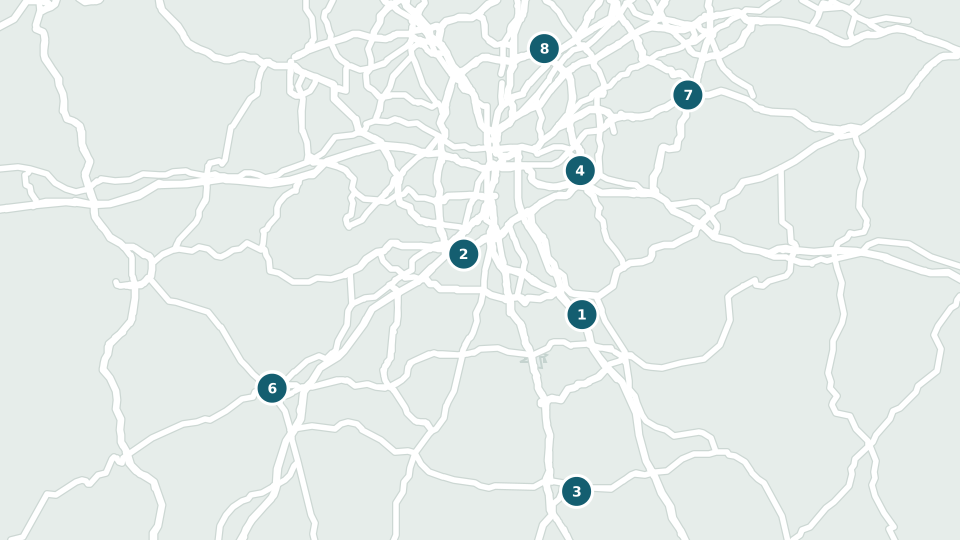
No listed facilities are in Lovejoy. The nearest listed facility is 7.0 miles from Lovejoy. Compare the facilities near Lovejoy below; distances are straight-line estimates.
This number connects to our central helpline, not directly to a listed facility.
If you are looking for alcohol detox in or near Lovejoy, the first step is to reach out to a program and ask about its intake process. On your first day, you can expect an assessment to discuss your drinking, medical history and any withdrawal symptoms. The program will explain what services it offers and what the next steps are.

Detox is the first step. It is medically supervised withdrawal from alcohol. This usually lasts 5 to 7 days.
You stay in a 24-hour facility where staff manage physical symptoms like shaking, nausea, or seizures. Residential care means living at a treatment center for weeks or months. It includes therapy, group work, and learning coping skills.
Outpatient care lets you live at home and attend sessions during the day or evening. Choose detox first if you are physically dependent and might have serious withdrawal. Choose residential if you need a structured, drug-free environment away from triggers.
Choose outpatient if your withdrawal risk is low and you have a stable home and support.
Will you do a medical evaluation before I start? Do you have a doctor or nurse on site at all times? What medications are available to manage withdrawal?
Do you support a gradual taper or only cold-turkey? What happens if I have a seizure or need to go to a hospital?
In Georgia, paying for alcohol detox commonly involves private health insurance, with individuals needing to check their plan’s coverage for detox services and any preferred providers. Government-funded programs like Medicare and Medicaid may offer coverage for detox, but eligibility and acceptance must be confirmed with the specific facility. Sliding-scale payment options are frequently provided, where fees are adjusted according to income.
Additionally, self-pay arrangements are widely available for those covering costs on their own.
Look at the level of medical supervision. For detox, you want a program that has 24-hour nursing and a physician available. Ask about the staff-to-patient ratio.
Check if they treat co-occurring mental health conditions like depression or anxiety. Consider the location: a program close to home might offer easier family support, but a program farther away may help you break old habits.
If you are looking for alcohol detox in or near Lovejoy, the first step is to reach out to a program and ask about its intake process.

If you or someone else is shaking uncontrollably, confused, hallucinating, or having a seizure, this is a medical emergency. Call 911 or go to an emergency room immediately. Severe alcohol withdrawal can be fatal.
Do not try to manage this at home. Emergency doctors can give medication to stop seizures and safely stabilize you.
If you or someone else is in immediate danger, call 911 now.
1101 Hospital Drive, Suite 200, Stockbridge, GA, 30281
Active
5454 Yorktowne Drive, Atlanta, GA, 30349
Active
1209 Greenbelt Drive, Griffin, GA, 30224
Active
1810 Moseri Road, Decatur, GA, 30032
Active
78 Hospital Road, Newnan, GA, 30263
Active
74 Hospital Road, Newnan, GA, 30263
Active
2160 Fountain Drive, Snellville, GA, 30078
Active
4598 Barclay Drive, Atlanta, GA, 30338
Active
These lists use only what the 8 active facilities listed for Lovejoy report to SAMHSA's FindTreatment.gov. No facility pays to be included or can ask to be moved. Reporting more options is not a measure of quality, outcomes or suitability for any person. A missing option means the facility did not report it to the source, not that it is not offered. Call the facility to confirm everything before relying on it.
How this list is made: each facility scores one point for each of these 5 levels of care (settings) it reports to SAMHSA's FindTreatment.gov (Residential (24-hour); Outpatient; Intensive outpatient; Partial hospitalization / day treatment; Hospital inpatient). A facility needs at least 3 to appear. Facilities are shown from the highest count to the lowest; facilities with the same count are in alphabetical order, which has no other meaning. Up to 10 are shown.
How this list is made: each facility scores one point for each of these 7 payment and cost-assistance options it reports to SAMHSA's FindTreatment.gov (Medicaid; Medicare; Private health insurance; Military insurance (TRICARE); Cash or self-payment; Sliding fee scale; Payment assistance). A facility needs at least 4 to appear. Facilities are shown from the highest count to the lowest; facilities with the same count are in alphabetical order, which has no other meaning. Up to 10 are shown.
How this list is made: each facility scores one point for each of these 4 medications used in treatment it reports to SAMHSA's FindTreatment.gov (Buprenorphine; Methadone; Naltrexone; Medication for alcohol use disorder). A facility needs at least 2 to appear. Facilities are shown from the highest count to the lowest; facilities with the same count are in alphabetical order, which has no other meaning. Up to 10 are shown.
How this list is made: each facility scores one point for each of these 12 age groups and client groups accepted it reports to SAMHSA's FindTreatment.gov (Adolescents; Young adults; Adults; Seniors; Pregnant or postpartum women; Adult women; Adult men; Veterans; Active duty military; Criminal justice clients; Clients who have experienced trauma; Co-occurring mental and substance use disorders). A facility needs at least 5 to appear. Facilities are shown from the highest count to the lowest; facilities with the same count are in alphabetical order, which has no other meaning. Up to 10 are shown.
Alcohol detox is the process of allowing your body to clear alcohol while managing withdrawal symptoms. It is usually done under medical supervision to keep you safe and comfortable. Programs may offer medications to reduce cravings or ease withdrawal, but you should ask each program what specific medical support it provides.
Coverage depends on your insurance plan and the program you choose. Call the program directly to ask whether it accepts your insurance and what your out-of-pocket costs may be. You can also contact your insurance company to find out about detox and substance use treatment benefits.
Most medically supervised detox programs last 5 to 7 days. The most intense withdrawal symptoms typically peak around 24 to 72 hours after your last drink. A longer stay may be needed if symptoms are severe or you have other medical issues.
Yes, detox programs are confidential. You can use sick leave, vacation time, or the Family and Medical Leave Act (FMLA) if you qualify. The program cannot contact your employer without your written permission.
You can, but it is not recommended. Withdrawal symptoms can return or worsen after a few days. Leaving early increases your risk of relapse and medical complications. Talk to your doctor if you feel ready to leave—they may adjust your treatment plan instead.
Last updated