 Sentinel Alcohol Detox
29552 Crown Creek, Laguna Niguel, CA, 92677
Active
- Detox
- Incidental medical services
- Licensed or certified
- Residential
City
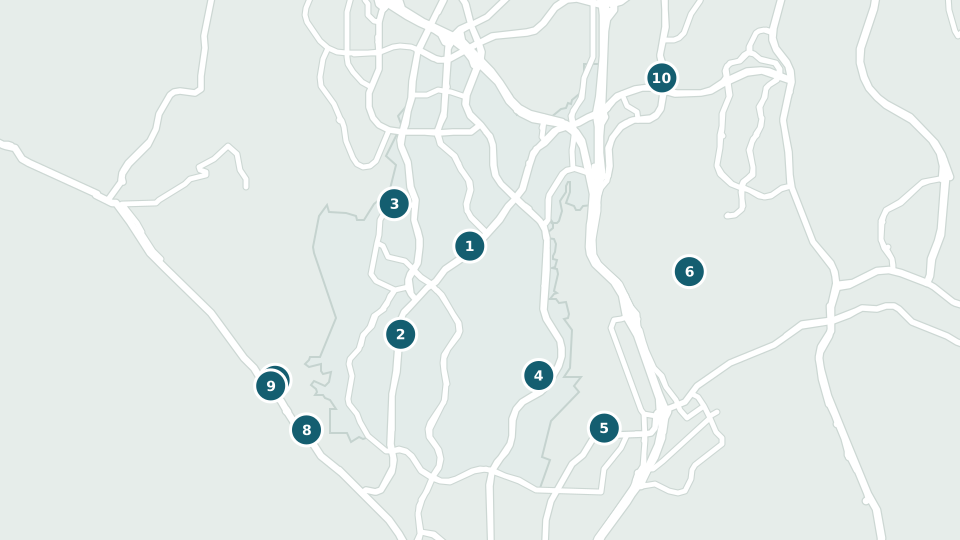
10 options near Laguna Niguel, CA, nearest first. Compare services and locations, then call to check availability.
This number connects to our central helpline, not directly to a listed facility.
You will speak with a real person who understands what you are going through.
The call is free and confidential, with no obligation to move forward.
You will leave the call knowing exactly what happens next.
If you are looking for help in Laguna Niguel right now, it is probably because drinking has tightened its grip on you or someone you love in the past few days, and you want out. That is the right instinct, and you do not have to figure it out alone. Laguna Niguel itself has state-licensed residential detox programs, and there are more within a short drive in south Orange County.
When you call, expect a short conversation about how much and how often you drink, when your last drink was, and any health problems you have. Staff ask because heavy drinking that stops suddenly can cause seizures and other dangerous withdrawal symptoms, and they need to know your risk. If a bed is available, intake usually happens the same day.
On the first day you will be checked in, seen by clinical staff, and monitored while the alcohol leaves your system. You can expect to feel sick, shaky and irritable at first; a supervised program keeps you safe and as comfortable as the process allows. Bring photo ID, your insurance card if you have one, and a few days of clothes.
You can also bring a family member to the call or the intake if having support makes it easier.
Call (877) 712-7713
Detox, residential treatment, and outpatient care are three different levels of help, and knowing the difference makes choosing much easier. Detox is the short first stage: usually three to seven days of medical supervision while alcohol leaves your body and your body recalibrates. Its whole purpose is to keep you safe through withdrawal, because heavy drinking that stops suddenly can cause seizures, hallucinations, confusion, or a racing heart.
You choose detox if you drink daily, drink heavily, have tried to stop before and felt sick, or have any shaking, sweating, or anxiety within hours of your last drink. Residential treatment means you live at the facility for weeks at a time, going through detox if needed and then doing counseling, group work, and planning for life after discharge in one place. You choose residential if your home situation is unstable, if drinking has taken over most of your days, or if you have tried outpatient approaches and kept relapsing.
Outpatient care means you sleep at home and attend treatment sessions during the day or evening, sometimes several days a week. You choose outpatient if you have a safe home, a job or caregiving duties you cannot leave, a support system you can rely on, and withdrawal symptoms that are likely to be mild. A good rule of thumb: when in doubt about safety, start with an assessment at a detox program rather than guessing, because a clinician can tell you in one visit which level you actually need.
Call (877) 712-7713Round-the-clock medical monitoring while your body clears alcohol safely.
You live on site for weeks, with therapy and structure every day.
Scheduled sessions while you keep living at home and working.
Ongoing support and check-ins that help sobriety last.
Before you commit to a program, use your first call to ask the questions that matter, and write them down so nerves do not erase them. Ask whether a doctor will oversee your care and who is on duty around the clock. Ask what medications they use to manage withdrawal symptoms and how they decide when someone needs a hospital instead.
Ask how soon you can be seen and what the intake process involves, including what to bring. Ask whether they accept your insurance, what your estimated share of the cost would be, and whether a payment plan exists if you are paying yourself. Ask whether they screen for depression, anxiety, or other mental health conditions and whether those can be treated at the same time.
Ask what happens after detox: do they arrange the next step before you leave, and do they offer counseling or connect you to local support groups. Finally, ask whether family can be involved in your care if you want them to be. A program that answers all of this plainly, without pressure to commit immediately, has passed the first test.
Cost should not be a barrier to alcohol detox in California, and residents have several realistic ways to cover it. Most people first look to private insurance—employer plans, marketplace policies, and other private coverage frequently include detoxification under their behavioral health or substance use benefits. California's Medi-Cal program is the state's public safety net, and it pays for detox and addiction treatment for those who qualify, including many low-income adults; applications are processed through counties and can move quickly when care is urgent.
Facilities across the state also use sliding-scale fees, reducing charges according to income and family size, and self-pay—paying directly, sometimes in installments—is always available for those who can fund their own treatment or choose not to involve an insurer.
When you compare programs near you, put safety and fit ahead of everything else. First, ask whether the program is licensed and whether a doctor or nurse will actually see you, not just a counselor, because alcohol withdrawal can turn dangerous fast. Second, ask whether they can treat withdrawal with medication rather than willpower alone; programs that ease symptoms with proper medication tend to keep people comfortable enough to finish.
Third, look at how you get in: a program with a clear intake process you can complete this week beats a prestigious one with a vague waiting pipeline. Fourth, ask whether they treat other problems too, since depression, anxiety, or chronic pain often travel with drinking, and a program that ignores them sets you up to relapse. Fifth, check the practical side: whether they take your insurance or offer a payment plan, whether the location is reachable by you or a family member, and whether the visit schedule works with your job or caregiving.
Sixth, ask what happens after the first week, because detox alone is a bridge, and the best programs connect you directly to the next stage of care rather than sending you out the door with a pamphlet. Trust your gut on the phone call too: a program that answers your questions patiently and without judgment is telling you something about how they will treat you in person.
If you are looking for help in Laguna Niguel right now, it is probably because drinking has tightened its grip on you or someone you love in the past few days, and you want out.

Stop reading for a moment and take this seriously: severe alcohol withdrawal is a medical emergency, not a rough patch to sleep off. If you or the person you are worried about has seizures, is seeing or hearing things that are not there, is confused about time or place, has a heart racing far beyond normal, is vomiting constantly, or has a fever, call 911 or get to the nearest emergency room right now. Do not wait to see whether it passes, and do not try to drive yourself if you are the one who is ill.
Emergency departments treat withdrawal every day; they can give medication to stop seizures and calm the nervous system safely, and they will not judge you for how much you were drinking. Tell them plainly how much and how often the drinking happened and when the last drink was, because that information determines the treatment. Once the immediate danger is handled, emergency staff can point you toward detox programs and follow-up care, so the ER visit can be the doorway to treatment rather than a dead end.
If you are helping someone else and they refuse to go while showing any of these signs, call 911 anyway and describe exactly what you are seeing.
If you or someone else is in immediate danger, call 911 now.
Call (877) 712-771329552 Crown Creek, Laguna Niguel, CA, 92677
Active
30672 Paseo Del Niguel, Laguna Niguel, CA, 92677
Active
23482 Dorielle Court, Laguna Niguel, CA, 92677
Active
33 Mallorca, Laguna Niguel, CA, 92677
Active
31931 Paseo Terraza, San Juan Capistrano, CA, 92675
Active
27391 Silver Creek Drive, San Juan Capistrano, CA, 92675
Active
31305 Ceanothus Dr, Laguna Beach, CA, 92651
Active
31957 Virginia Way, Laguna Beach, CA, 92651
Active
31365 Monterey Street, Laguna Beach, CA, 92651
Active
27012 Venado Drive, Mission Viejo, CA, 92691
Active
Most people need somewhere between three and seven days of supervised care for the acute phase, though it varies with how much you drink, your health and your history. The program you call can give you a better estimate once they hear your situation.
Quitting heavy drinking cold turkey without supervision can be dangerous, and withdrawal can include seizures and confusion. If you have ever had shakes, sweats or hallucinations when you stopped, get medical help before you stop.
For most people who drink heavily, yes, and the reason is safety rather than comfort alone. Stopping suddenly after heavy, regular drinking can trigger seizures, hallucinations, and dangerous changes in heart rate and blood pressure, sometimes within the first day or two. A supervised detox has medical staff who monitor those risks and use medication to keep withdrawal controlled. If you drink only lightly or occasionally, you may not need a medical detox at all, but let a clinician make that call after hearing your history rather than deciding by guesswork.
For most people it is between three and seven days, though the exact length depends on how much you were drinking and how your body responds. The first two or three days are usually the hardest, with symptoms peaking and staff managing them closely. After that, most people move into a calmer phase where sleep, appetite, and mood slowly settle. Some programs then step you directly into longer treatment, while others hand you off to counseling or outpatient care, so ask before you arrive what happens on day five or six.
For the most part you can expect the facility to handle the medical work, so bring the basics: your ID, your insurance card if you have one, a list of any medications you currently take, and the name of a family member or friend as your contact. Pack simple, comfortable clothes without drawstrings or alcohol-based products like mouthwash or hand sanitizer, since programs remove anything containing alcohol. Leave valuables at home. Call ahead and ask what to bring and what to leave, because each program has its own rules and it is easier to follow them from the start.
Last updated