 Sentinel Alcohol Detox
Blanchard Institute — 19902 North Cove Road
5.2 mi, Huntersville19902 North Cove Road, Huntersville, NC, 28078
Active
- Day treatment
- Detox
- Medication-assisted treatment
- Private insurance
City
No listed facilities are in Huntersville. The nearest listed facility is 5.2 miles from Huntersville. Compare the facilities near Huntersville below; distances are straight-line estimates.
This number connects to our central helpline, not directly to a listed facility.
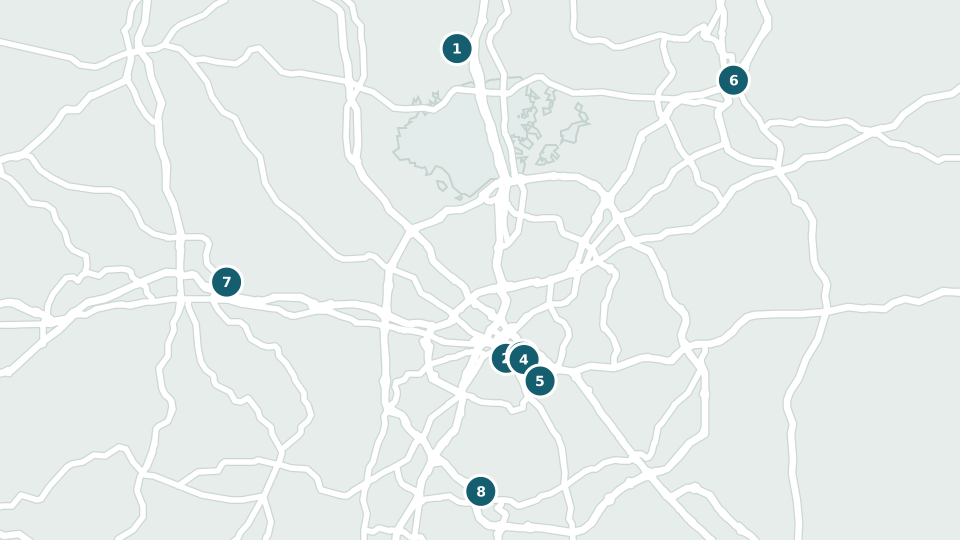
If you are looking for alcohol detox in Huntersville, you may be feeling ready to stop drinking but unsure what the first step looks like. Detox is the process of letting your body clear alcohol while managing withdrawal symptoms under medical supervision. The first day usually involves an assessment by medical staff to understand your health history and the severity of your alcohol use.
Based on that evaluation, the team will create a plan to help you through withdrawal safely. Call any program you are considering to ask about its intake process, what to bring, and whether it offers medication to reduce cravings or withdrawal symptoms.

Detox is the first step. It is medically supervised withdrawal from alcohol. You stay in a facility for a few days to a week.
Medical staff manage symptoms. It is for people who need 24-hour monitoring during the initial detox phase. Residential treatment comes after detox.
You live at the facility for 30 to 90 days. It provides structured therapy and counseling. It helps you build skills for long-term sobriety.
Outpatient care allows you to live at home. You attend therapy sessions during the day. It works best for people with mild withdrawal risk who have a stable home environment.
To choose between them, ask your doctor about your withdrawal risk and your personal support system.
When you call a program, ask: What medical staff are on site 24 hours a day? Do you use medication to ease withdrawal symptoms? Is there a medical doctor available daily?
What happens after detox – do you help arrange next-step care? Can you verify that your state licenses the facility? Is the detox unit separate from other residents?
What happens if I have a medical emergency during detox? Do you accept my health insurance? How much will it cost without insurance?
Do you have a discharge plan for me after detox ends?
Payment for alcohol detox in North Carolina typically involves private insurance, including plans from major carriers, which may cover part or all of the stay depending on the policy. For those with public insurance, such as Medicare or Medicaid, coverage is possible but requires confirming eligibility with the specific facility, as network participation varies. Sliding-scale fee structures, adjusted to a person's income, are another common option, as is self-pay for those without insurance.
Direct communication with the detox provider is necessary to understand available payment methods.
To choose between nearby options, consider these concrete criteria. First, check state licensing. The facility should have a valid license for detox services.
Second, look at staffing. A good program has a doctor or nurse practitioner assigned to each patient. Third, ask about medication options.
Many detox programs use benzodiazepines to prevent seizures. Fourth, verify they can handle medical complications like high blood pressure or history of seizures. Fifth, ask about transfer agreements with a local hospital.
Sixth, look at the duration. Quality detox programs last at least 72 hours, longer for severe cases. Seventh, check aftercare planning.
Good programs help you arrange residential or outpatient follow-up before you leave.
If you are looking for alcohol detox in Huntersville, you may be feeling ready to stop drinking but unsure what the first step looks like.

Severe alcohol withdrawal is a medical emergency. Symptoms can include confusion, rapid heart rate, fever, seizures, or hallucinations (seeing things that are not there). Do not wait at home.
Call 911 immediately. Do not try to detox alone or with home remedies. Go to your nearest emergency room.
Tell them you are withdrawing from alcohol. Emergency medical staff can stabilize you and prevent life-threatening complications.
If you or someone else is in immediate danger, call 911 now.
19902 North Cove Road, Huntersville, NC, 28078
Active
1117 East Morehead Street, Suite 100, Charlotte, NC, 28204
Active
200 Hawthorne Lane, Charlotte, NC, 28204
Active
2001 Vail Avenue, Charlotte, NC, 28207
Active
429 Billingsley Road, Charlotte, NC, 28211
Active
280 Executive Park Drive, Suite 160, Concord, NC, 28025
Active
1089 X Ray Drive, Gastonia, NC, 28054
Active
10348 Park Road, Charlotte, NC, 28210
Active
These lists use only what the 8 active facilities listed for Huntersville report to SAMHSA's FindTreatment.gov. No facility pays to be included or can ask to be moved. Reporting more options is not a measure of quality, outcomes or suitability for any person. A missing option means the facility did not report it to the source, not that it is not offered. Call the facility to confirm everything before relying on it.
How this list is made: each facility scores one point for each of these 5 levels of care (settings) it reports to SAMHSA's FindTreatment.gov (Residential (24-hour); Outpatient; Intensive outpatient; Partial hospitalization / day treatment; Hospital inpatient). A facility needs at least 3 to appear. Facilities are shown from the highest count to the lowest; facilities with the same count are in alphabetical order, which has no other meaning. Up to 10 are shown.
How this list is made: each facility scores one point for each of these 7 payment and cost-assistance options it reports to SAMHSA's FindTreatment.gov (Medicaid; Medicare; Private health insurance; Military insurance (TRICARE); Cash or self-payment; Sliding fee scale; Payment assistance). A facility needs at least 4 to appear. Facilities are shown from the highest count to the lowest; facilities with the same count are in alphabetical order, which has no other meaning. Up to 10 are shown.
How this list is made: each facility scores one point for each of these 4 medications used in treatment it reports to SAMHSA's FindTreatment.gov (Buprenorphine; Methadone; Naltrexone; Medication for alcohol use disorder). A facility needs at least 2 to appear. Facilities are shown from the highest count to the lowest; facilities with the same count are in alphabetical order, which has no other meaning. Up to 10 are shown.
How this list is made: each facility scores one point for each of these 12 age groups and client groups accepted it reports to SAMHSA's FindTreatment.gov (Adolescents; Young adults; Adults; Seniors; Pregnant or postpartum women; Adult women; Adult men; Veterans; Active duty military; Criminal justice clients; Clients who have experienced trauma; Co-occurring mental and substance use disorders). A facility needs at least 5 to appear. Facilities are shown from the highest count to the lowest; facilities with the same count are in alphabetical order, which has no other meaning. Up to 10 are shown.
Medical detox is recommended if you have been drinking heavily for a long time, have tried to quit before and experienced withdrawal symptoms, or have other medical conditions that could complicate withdrawal. A doctor or intake specialist can help you decide if supervised detox is the safest option for you.
During alcohol detox, programs often provide medical monitoring, support from nurses and doctors, and sometimes medications to help manage withdrawal symptoms and prevent complications. Not every program offers the same services, so ask each provider what is included in its detox program and whether medications are available.
Most alcohol detox programs last 3 to 7 days. The worst symptoms often peak in the first 24 to 48 hours. Your detox length depends on your drinking history and medical needs. The staff will decide when you are medically stable to move on.
Yes. Delirium tremens (DTs) is a severe withdrawal syndrome that can be fatal. Symptoms include confusion, rapid breathing, and seizures. It is not the same as a drug overdose. But it is equally dangerous. Medical detox greatly reduces this risk.
Detox is just the start. It treats the physical dependence but not the behavioral addiction. Without follow-up care, relapse rates are high. Long-term success usually requires residential or outpatient treatment after detox.
Last updated