 Sentinel Alcohol Detox
Recovery Place Inc
6.3 mi, Savannah835 East 65th Street, Suite 104, Savannah, GA, 31405
Active
- Residential
- Detox
- Medication-assisted treatment
- Private insurance
City
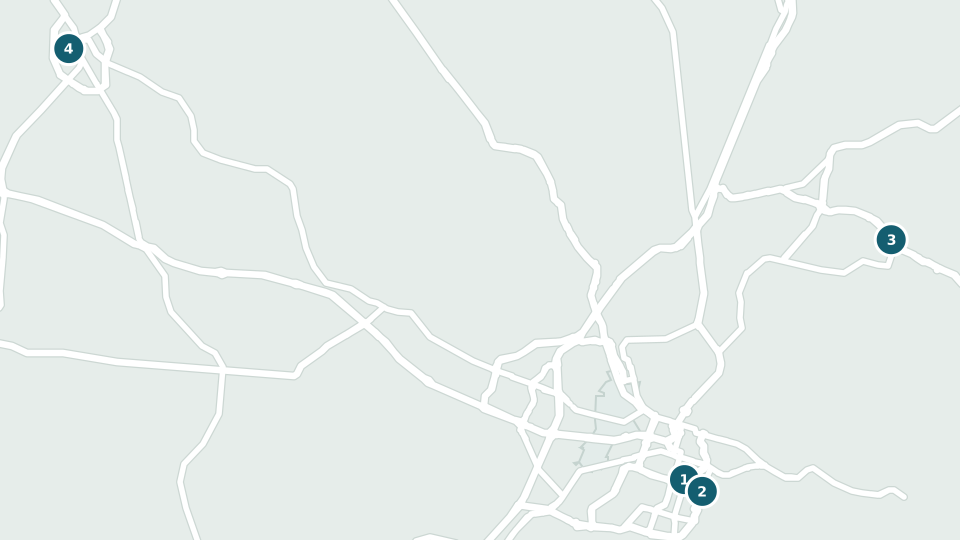
No listed facilities are in Garden City. The nearest listed facility is 6.3 miles from Garden City. Compare the facilities near Garden City below; distances are straight-line estimates.
This number connects to our central helpline, not directly to a listed facility.
If you are looking for a medically supervised detox for alcohol in or near Garden City, the first step is to find a program that offers a safe environment to manage withdrawal symptoms. On your first day, a clinical assessment typically determines your needs and whether medication may be offered to help with cravings or withdrawal.

Medical detox handles the physical danger of stopping alcohol. You are monitored around the clock, often with medications to prevent seizures or delirium tremens. Residential treatment provides a live-in program for 30 to 90 days.
It focuses on the psychological reasons behind drinking. Outpatient treatment offers flexibility. You attend therapy a few hours a week while working or caring for family.
Deciding between them starts with your withdrawal risk. If you have had seizures or severe shakes before, start with detox. If you have tried outpatient and relapsed, residential may give you the distance you need.
If your drinking is heavy but you are medically stable, an intensive outpatient program may work.
Ask if they accept your insurance and what the out-of-pocket cost will be. Ask how long the program lasts and what a typical day looks like. Ask what happens after detox—do they help you step into residential or outpatient care?
Ask about their relapse policy: do they discharge you or adjust treatment?
Throughout Georgia, alcohol detox programs typically accept private insurance as a common payment method; individuals should contact their insurer and the facility to confirm benefits and any out-of-pocket expenses. Public insurance plans, including Medicare and Medicaid, may cover detoxification for those who meet eligibility requirements, but it is essential to verify this directly. Sliding-scale fee structures are available at numerous facilities, adjusting the cost based on a person’s financial situation.
Self-pay is an accepted payment method, often with upfront pricing provided.
Compare the program's philosophy. Some use a 12-step model. Others use cognitive behavioral therapy or medication-assisted treatment.
Decide which approach fits you. Look at the aftercare planning. A good program will have a plan for you after discharge.
Ask about success rate—not guaranteed numbers, but whether they track outcomes. Check online reviews for patterns like staff respect or cleanliness.
If you are looking for a medically supervised detox for alcohol in or near Garden City, the first step is to find a program that offers a safe environment to manage withdrawal symptoms.

Sudden stopping of alcohol after heavy, long-term use can cause delirium tremens. Signs include fast heartbeat, fever, severe confusion, and seeing things that are not there. If any of these happen, get to an emergency room right away.
Do not drive yourself—call 911. The ER team can provide intravenous fluids and sedatives to prevent serious complications.
If you or someone else is in immediate danger, call 911 now.
835 East 65th Street, Suite 104, Savannah, GA, 31405
Active
2121 East Derenne Avenue, Savannah, GA, 31406
Active
60 Pennington Drive, Bluffton, SC, 29910
Active
4 West Altman Street, Statesboro, GA, 30458
Active
Medical detox is generally recommended if you have experienced withdrawal symptoms such as shaking, sweating, nausea, anxiety, or seizures when you stop drinking. A doctor or intake specialist can help you decide if supervised detox is right for you.
Ask whether the program offers supervised alcohol detox, what medications are available to manage withdrawal, whether they treat co-occurring mental health conditions, and what their intake process looks like. Also ask about payment options and what you should bring.
Yes, it can be dangerous for heavy, long-term drinkers. Sudden stopping can cause severe withdrawal symptoms like seizures or delirium tremens. Medical detox is the safest way because staff can give medications to prevent these complications.
Detox alone is not enough for lasting recovery. After detox, the program should help you transition to residential or outpatient care. This next step focuses on therapy, relapse prevention, and building a sober support system.
Look for a detox program that treats co-occurring conditions. Many offer dual diagnosis care, where a psychiatrist or therapist addresses both issues at once. Treating only the alcohol use without the underlying mental health problem often leads to relapse.
Last updated