 Sentinel Alcohol Detox
American Detox And
12.9 mi, Chesnee405 West Cherokee Street, Chesnee, SC, 29323
Active
- Hospital inpatient
- Detox
- Medication-assisted treatment
- Private insurance
City
No listed facilities are in Gaffney. The nearest listed facility is 12.9 miles from Gaffney. Compare the facilities near Gaffney below; distances are straight-line estimates.
This number connects to our central helpline, not directly to a listed facility.
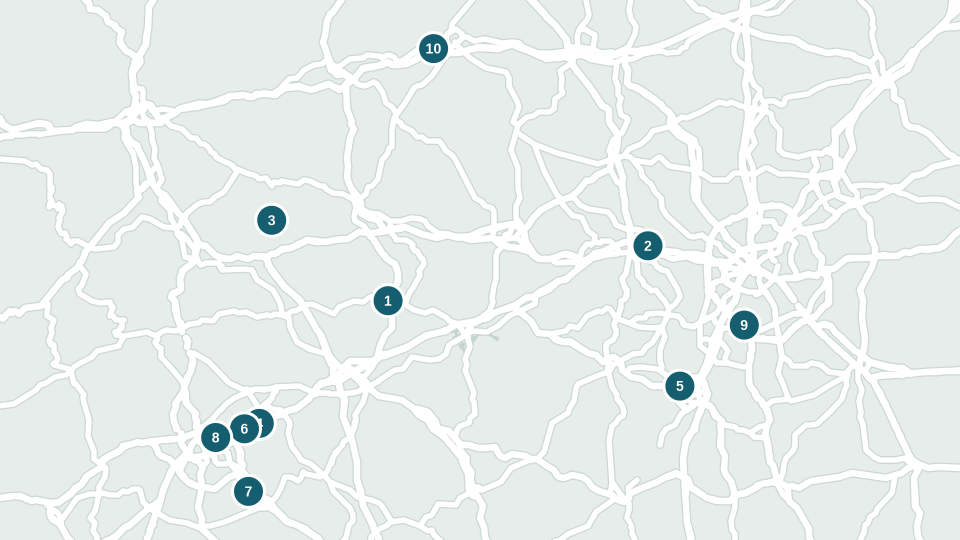
If you are in or near Gaffney and looking for alcohol detox, you are taking an important step. The first day usually involves an assessment to understand your needs and help determine the right level of care. Call the program to ask about its admission process, what to bring, and how medical support is provided during detox.

Detox is the first step. It is medically supervised withdrawal from alcohol. This usually lasts 5 to 7 days.
You stay in a 24-hour facility where staff manage physical symptoms like shaking, nausea, or seizures. Residential care means living at a treatment center for weeks or months. It includes therapy, group work, and learning coping skills.
Outpatient care lets you live at home and attend sessions during the day or evening. Choose detox first if you are physically dependent and might have serious withdrawal. Choose residential if you need a structured, drug-free environment away from triggers.
Choose outpatient if your withdrawal risk is low and you have a stable home and support.
Will you do a medical evaluation before I start? Do you have a doctor or nurse on site at all times? What medications are available to manage withdrawal?
Do you support a gradual taper or only cold-turkey? What happens if I have a seizure or need to go to a hospital?
In South Carolina, alcohol detox services are commonly paid for through private insurance plans obtained through an employer, the health insurance marketplace, or directly from an insurer. Many people also use public coverage such as Medicaid or Medicare, but it is essential to verify eligibility with the specific program and facility beforehand, as acceptance varies. Some detox programs offer sliding-scale fees based on income, and self-pay options are available for those without insurance or who prefer to pay directly.
Reach our free, confidential helpline any time, day or night.
A short conversation helps match you with the right level of care.
If needed, withdrawal is managed safely under medical supervision.
You leave with a clear plan for ongoing treatment and support.
Look at the level of medical supervision. For detox, you want a program that has 24-hour nursing and a physician available. Ask about the staff-to-patient ratio.
Check if they treat co-occurring mental health conditions like depression or anxiety. Consider the location: a program close to home might offer easier family support, but a program farther away may help you break old habits.
If you are in or near Gaffney and looking for alcohol detox, you are taking an important step.

If you or someone else is shaking uncontrollably, confused, hallucinating, or having a seizure, this is a medical emergency. Call 911 or go to an emergency room immediately. Severe alcohol withdrawal can be fatal.
Do not try to manage this at home. Emergency doctors can give medication to stop seizures and safely stabilize you.
If you or someone else is in immediate danger, call 911 now.
405 West Cherokee Street, Chesnee, SC, 29323
Active
1089 X Ray Drive, Gastonia, NC, 28054
Active
241 Pavillon Place, Mill Spring, NC, 28756
Active
2700 East Phillips Road, Greer, SC, 29650
Active
199 South Herlong Avenue, Rock Hill, SC, 29732
Active
47 Fisherman Lane, Greenville, SC, 29615
Active
634 Fairview Road, Building I, Simpsonville, SC, 29680
Active
130 Industrial Drive, Suite 130, Greenville, SC, 29607
Active
10348 Park Road, Charlotte, NC, 28210
Active
712 Jamestown Road, Morganton, NC, 28655
Active
These lists use only what the 10 active facilities listed for Gaffney report to SAMHSA's FindTreatment.gov. No facility pays to be included or can ask to be moved. Reporting more options is not a measure of quality, outcomes or suitability for any person. A missing option means the facility did not report it to the source, not that it is not offered. Call the facility to confirm everything before relying on it.
How this list is made: each facility scores one point for each of these 5 levels of care (settings) it reports to SAMHSA's FindTreatment.gov (Residential (24-hour); Outpatient; Intensive outpatient; Partial hospitalization / day treatment; Hospital inpatient). A facility needs at least 3 to appear. Facilities are shown from the highest count to the lowest; facilities with the same count are in alphabetical order, which has no other meaning. Up to 10 are shown.
How this list is made: each facility scores one point for each of these 7 payment and cost-assistance options it reports to SAMHSA's FindTreatment.gov (Medicaid; Medicare; Private health insurance; Military insurance (TRICARE); Cash or self-payment; Sliding fee scale; Payment assistance). A facility needs at least 4 to appear. Facilities are shown from the highest count to the lowest; facilities with the same count are in alphabetical order, which has no other meaning. Up to 10 are shown.
How this list is made: each facility scores one point for each of these 4 medications used in treatment it reports to SAMHSA's FindTreatment.gov (Buprenorphine; Methadone; Naltrexone; Medication for alcohol use disorder). A facility needs at least 2 to appear. Facilities are shown from the highest count to the lowest; facilities with the same count are in alphabetical order, which has no other meaning. Up to 10 are shown.
How this list is made: each facility scores one point for each of these 12 age groups and client groups accepted it reports to SAMHSA's FindTreatment.gov (Adolescents; Young adults; Adults; Seniors; Pregnant or postpartum women; Adult women; Adult men; Veterans; Active duty military; Criminal justice clients; Clients who have experienced trauma; Co-occurring mental and substance use disorders). A facility needs at least 5 to appear. Facilities are shown from the highest count to the lowest; facilities with the same count are in alphabetical order, which has no other meaning. Up to 10 are shown.
Alcohol detox is the process of letting your body clear alcohol while managing withdrawal symptoms. If you experience shaking, sweating, nausea, anxiety, or other symptoms when you stop drinking, you may need medically supervised detox. A healthcare provider can help you decide what is right for you.
Ask if they provide medical supervision during detox, what the admission process is, how long the program typically lasts, and what services are available after detox. Also ask about payment options and whether they accept your insurance.
Most medically supervised detox programs last 5 to 7 days. The most intense withdrawal symptoms typically peak around 24 to 72 hours after your last drink. A longer stay may be needed if symptoms are severe or you have other medical issues.
Yes, detox programs are confidential. You can use sick leave, vacation time, or the Family and Medical Leave Act (FMLA) if you qualify. The program cannot contact your employer without your written permission.
You can, but it is not recommended. Withdrawal symptoms can return or worsen after a few days. Leaving early increases your risk of relapse and medical complications. Talk to your doctor if you feel ready to leave—they may adjust your treatment plan instead.
Last updated