 Sentinel Alcohol Detox
Gateway Behavioral Health Services
1.8 mi, Brunswick700 Coastal Village Drive, Brunswick, GA, 31520
Active
- Hospital inpatient
- Detox
- Medication-assisted treatment
- Medicaid
City
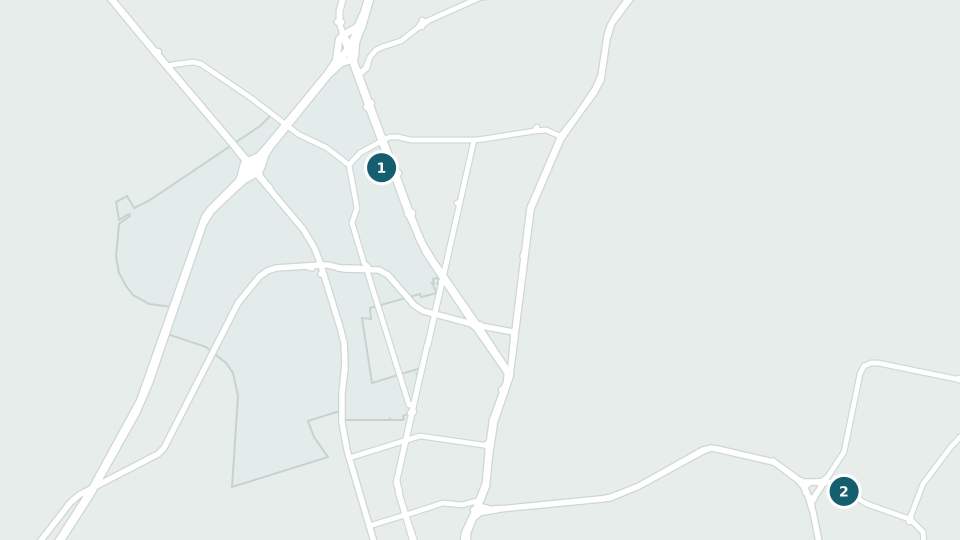
2 options near Dock Junction, GA, nearest first. Compare services and locations, then call to check availability.
This number connects to our central helpline, not directly to a listed facility.
If you are in or near Dock Junction and looking for alcohol detox, the first step is reaching out to a program to ask about its intake process. A typical first day may involve a medical assessment to understand your needs, including any withdrawal symptoms. You should ask what services are currently available, whether outpatient or inpatient options are offered, and what support you can expect during the first hours after arrival.

Detox is the first step when you stop drinking. It means 24-hour medical monitoring to manage withdrawal safely. Residential care is live-in treatment after detox, with daily therapy and no outside distractions.
Outpatient care lets you live at home and attend therapy sessions a few times a week. You choose by how severe your drinking is: if you have shakes, seizures, or heavy daily use, start with detox. If your drinking is heavy but not daily, residential may be a good next step.
Outpatient is best for people who have already been through detox or residential and need ongoing support.
Ask if they have a medical doctor on staff 24 hours a day. Ask how they handle severe withdrawal symptoms like seizures. Ask what medications they use, and if the program tapers you off or stops suddenly.
Ask if they accept your insurance. Ask what happens after detox: do they help you transition to residential or outpatient? Ask about the daily schedule and if you can leave the facility.
Ask about the cost and any hidden fees.
In Georgia, paying for alcohol detox commonly involves private health insurance, with individuals needing to check their plan’s coverage for detox services and any preferred providers. Government-funded programs like Medicare and Medicaid may offer coverage for detox, but eligibility and acceptance must be confirmed with the specific facility. Sliding-scale payment options are frequently provided, where fees are adjusted according to income.
Additionally, self-pay arrangements are widely available for those covering costs on their own.
Compare how close the program is to your home. You may need to visit daily or stay for weeks. Look at the program's admission criteria: some only take people with insurance, others have sliding scale fees.
Check if they offer separate detox and residential or combine them. Ask how long the wait is for a bed. If you have a co-occurring mental health condition like depression, ask if they have a psychiatrist on staff.
Choose a program that matches your schedule: some offer evening outpatient groups, others are daytime only.
If you are in or near Dock Junction and looking for alcohol detox, the first step is reaching out to a program to ask about its intake process.

If you or someone you are with is having a seizure, shaking violently, confused, or seeing things that are not there, this is a medical emergency. Call 911 right now. Do not wait.
Severe alcohol withdrawal can be deadly. Do not try to detox alone if these symptoms appear. You need immediate hospital care.
If you or someone else is in immediate danger, call 911 now.
700 Coastal Village Drive, Brunswick, GA, 31520
Active
2927 Demere Road, Saint Simons Island, GA, 31522
Active
You should contact a program directly to ask about its assessment process, the level of medical supervision provided, and what types of services it offers. Each program is different, so it is important to confirm details such as whether detox is inpatient or outpatient and what support is available during withdrawal.
Call the program to ask about its services, admission requirements, and current availability. Confirm that the program offers the specific type of detox you need and ask about its approach to managing withdrawal symptoms.
Most detox programs for alcohol last 3 to 7 days. The worst symptoms usually happen in the first 48 to 72 hours. Your body needs time to adjust to being without alcohol. The length depends on how much and how long you were drinking.
Common medications include benzodiazepines like Valium or Librium to prevent seizures and reduce anxiety. Other medications like clonidine help with high blood pressure. Some programs use vitamins like thiamine to prevent brain damage.
If you drink alcohol daily or in heavy amounts, stopping can be dangerous. Signs you need detox include morning shakes, nausea, sweating, or a strong craving. If you have had withdrawal symptoms before, a medical detox is likely needed.
Last updated