 Sentinel Alcohol Detox
OnCall Healthy Living Program
11.6 mi, Northampton51 Locust Street, Suite 1, Northampton, MA, 01060
Active
- Outpatient
- Detox
- Medication-assisted treatment
- Medicaid
City
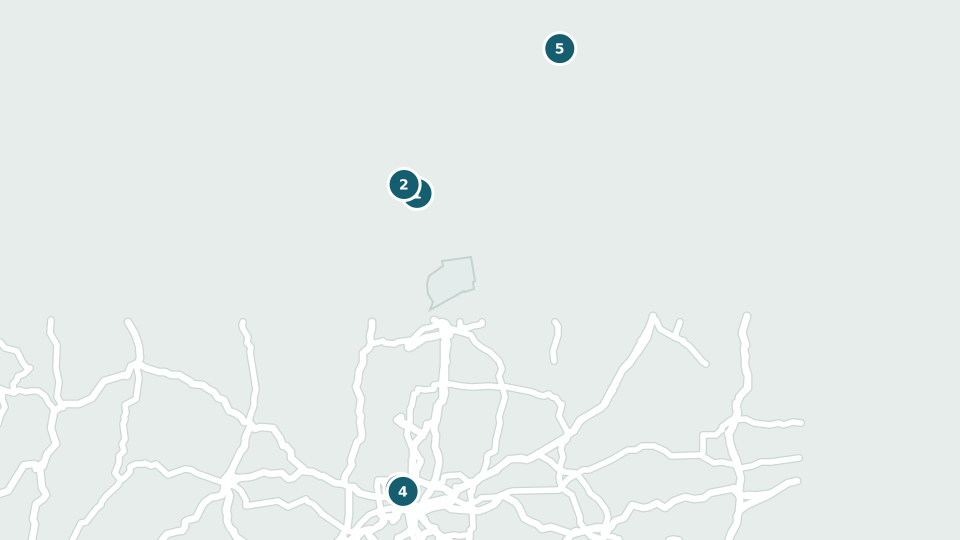
No listed facilities are in Chicopee. The nearest listed facility is 11.6 miles from Chicopee. Compare the facilities near Chicopee below; distances are straight-line estimates.
This number connects to our central helpline, not directly to a listed facility.
If you are looking for alcohol detox in Chicopee, Massachusetts, you are likely trying to find a safe place to stop drinking under medical care. The first step usually involves a phone call to a program to discuss your situation and schedule an assessment. During that assessment, staff will evaluate your health and history to recommend the right level of care, which might include medically supervised detox to help you through withdrawal symptoms.
After detox, the program will help you plan the next phase of your recovery. To find options near you, contact the programs available in the area to ask about their admission process, what to bring, and what a typical first day looks like.

Medical detox handles the physical danger of stopping alcohol. You are monitored around the clock, often with medications to prevent seizures or delirium tremens. Residential treatment provides a live-in program for 30 to 90 days.
It focuses on the psychological reasons behind drinking. Outpatient treatment offers flexibility. You attend therapy a few hours a week while working or caring for family.
Deciding between them starts with your withdrawal risk. If you have had seizures or severe shakes before, start with detox. If you have tried outpatient and relapsed, residential may give you the distance you need.
If your drinking is heavy but you are medically stable, an intensive outpatient program may work.
Ask if they accept your insurance and what the out-of-pocket cost will be. Ask how long the program lasts and what a typical day looks like. Ask what happens after detox—do they help you step into residential or outpatient care?
Ask about their relapse policy: do they discharge you or adjust treatment?
Funding alcohol detox in Massachusetts is handled through various channels. Most private insurance plans have detox coverage; however, coverage varies, so contacting your provider is recommended. MassHealth (Medicaid) may pay for detox services for eligible individuals, but eligibility verification is required.
Some centers provide sliding-scale fees tailored to income, and self-pay is a straightforward option for those without other coverage. Always confirm the exact payment options and accepted plans with the facility you choose.
Reach our free, confidential helpline any time, day or night.
A short conversation helps match you with the right level of care.
If needed, withdrawal is managed safely under medical supervision.
You leave with a clear plan for ongoing treatment and support.
Compare the program's philosophy. Some use a 12-step model. Others use cognitive behavioral therapy or medication-assisted treatment.
Decide which approach fits you. Look at the aftercare planning. A good program will have a plan for you after discharge.
Ask about success rate—not guaranteed numbers, but whether they track outcomes. Check online reviews for patterns like staff respect or cleanliness.
If you are looking for alcohol detox in Chicopee, Massachusetts, you are likely trying to find a safe place to stop drinking under medical care.

Sudden stopping of alcohol after heavy, long-term use can cause delirium tremens. Signs include fast heartbeat, fever, severe confusion, and seeing things that are not there. If any of these happen, get to an emergency room right away.
Do not drive yourself—call 911. The ER team can provide intravenous fluids and sedatives to prevent serious complications.
If you or someone else is in immediate danger, call 911 now.
51 Locust Street, Suite 1, Northampton, MA, 01060
Active
421 North Main Street, Building 4 Lower, Leeds, MA, 01053
Active
500 Blue Hills Avenue, 6th Floor, Hartford, CT, 06112
Active
500 Vine Street, Hartford, CT, 06112
Active
30 East Main Street, Orange, MA, 01364
Active
These lists use only what the 5 active facilities listed for Chicopee report to SAMHSA's FindTreatment.gov. No facility pays to be included or can ask to be moved. Reporting more options is not a measure of quality, outcomes or suitability for any person. A missing option means the facility did not report it to the source, not that it is not offered. Call the facility to confirm everything before relying on it.
How this list is made: each facility scores one point for each of these 5 levels of care (settings) it reports to SAMHSA's FindTreatment.gov (Residential (24-hour); Outpatient; Intensive outpatient; Partial hospitalization / day treatment; Hospital inpatient). A facility needs at least 3 to appear. Facilities are shown from the highest count to the lowest; facilities with the same count are in alphabetical order, which has no other meaning. Up to 10 are shown.
How this list is made: each facility scores one point for each of these 7 payment and cost-assistance options it reports to SAMHSA's FindTreatment.gov (Medicaid; Medicare; Private health insurance; Military insurance (TRICARE); Cash or self-payment; Sliding fee scale; Payment assistance). A facility needs at least 4 to appear. Facilities are shown from the highest count to the lowest; facilities with the same count are in alphabetical order, which has no other meaning. Up to 10 are shown.
How this list is made: each facility scores one point for each of these 4 medications used in treatment it reports to SAMHSA's FindTreatment.gov (Buprenorphine; Methadone; Naltrexone; Medication for alcohol use disorder). A facility needs at least 2 to appear. Facilities are shown from the highest count to the lowest; facilities with the same count are in alphabetical order, which has no other meaning. Up to 10 are shown.
How this list is made: each facility scores one point for each of these 12 age groups and client groups accepted it reports to SAMHSA's FindTreatment.gov (Adolescents; Young adults; Adults; Seniors; Pregnant or postpartum women; Adult women; Adult men; Veterans; Active duty military; Criminal justice clients; Clients who have experienced trauma; Co-occurring mental and substance use disorders). A facility needs at least 5 to appear. Facilities are shown from the highest count to the lowest; facilities with the same count are in alphabetical order, which has no other meaning. Up to 10 are shown.
Ask whether the program offers medically supervised detox for alcohol, what the admission process involves, if they accept your insurance (including MassHealth or Medicare), and how they help plan ongoing care after detox. Also ask about hours, location, and what personal items you should bring.
Some programs offer outpatient detox for alcohol, which means you receive medical monitoring during withdrawal without staying overnight. You can also ask about medication for alcohol use disorder, such as naltrexone, which may be used to reduce cravings after detox is complete.
Yes, it can be dangerous for heavy, long-term drinkers. Sudden stopping can cause severe withdrawal symptoms like seizures or delirium tremens. Medical detox is the safest way because staff can give medications to prevent these complications.
Detox alone is not enough for lasting recovery. After detox, the program should help you transition to residential or outpatient care. This next step focuses on therapy, relapse prevention, and building a sober support system.
Look for a detox program that treats co-occurring conditions. Many offer dual diagnosis care, where a psychiatrist or therapist addresses both issues at once. Treating only the alcohol use without the underlying mental health problem often leads to relapse.
Last updated