 Sentinel Alcohol Detox
Dunwoody Recovery Place
3.4 mi, Atlanta4598 Barclay Drive, Atlanta, GA, 30338
Active
- Residential
- Detox
- Medication-assisted treatment
- Private insurance
City
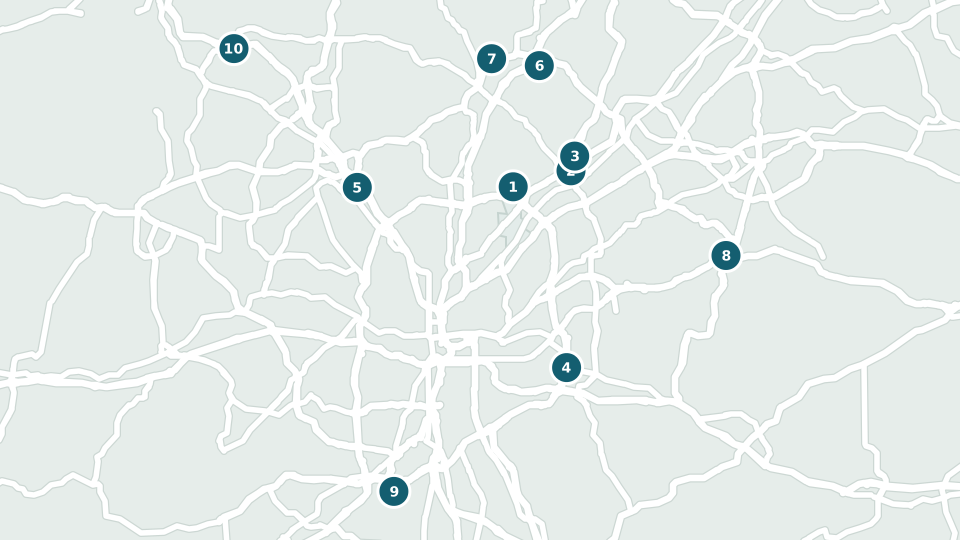
No listed facilities are in Chamblee. The nearest listed facility is 3.4 miles from Chamblee. Compare the facilities near Chamblee below; distances are straight-line estimates.
This number connects to our central helpline, not directly to a listed facility.
When you are looking for alcohol detox in Chamblee, GA, you are looking for a place where you can stop drinking safely under medical supervision. The first day usually starts with an assessment by medical staff who check your vital signs and talk with you about your drinking history and any other medical needs. They will watch for withdrawal symptoms and may give medication to keep you comfortable.
Detox is the first step before ongoing treatment or counseling.

Think of detox as the medical safety net for quitting alcohol. You stay in a supervised setting where nurses can give medication for withdrawal symptoms. Residential treatment is the next level: you live at the facility for weeks, focusing on counseling and building sober habits.
Outpatient care is less intense; you attend sessions during the day and return home at night. The choice depends on your health. If you have a history of seizures or DT's, you need detox.
If you have a stable home and mild drinking, outpatient may be enough. For most, residential after detox gives the best start.
First call: ask how quickly you can be admitted. Many detox programs have a wait, and you need to know. Ask if they use a standardized assessment like the CIWA protocol for withdrawal.
Ask about their success rate for completing detox without relapse. Ask if you can have visitors or phone calls. Ask if they provide aftercare planning or just send you home.
Ask if they accept your insurance and what the out-of-pocket cost will be. Ask if the program is in a hospital or a separate facility.
Throughout Georgia, alcohol detox programs typically accept private insurance as a common payment method; individuals should contact their insurer and the facility to confirm benefits and any out-of-pocket expenses. Public insurance plans, including Medicare and Medicaid, may cover detoxification for those who meet eligibility requirements, but it is essential to verify this directly. Sliding-scale fee structures are available at numerous facilities, adjusting the cost based on a person’s financial situation.
Self-pay is an accepted payment method, often with upfront pricing provided.
Reach our free, confidential helpline any time, day or night.
A short conversation helps match you with the right level of care.
If needed, withdrawal is managed safely under medical supervision.
You leave with a clear plan for ongoing treatment and support.
Criteria to weigh: the level of medical supervision. If you have had seizures before, you need a medically supervised detox, not just a social detox. Look at the program's discharge planning.
A good one will have a referral list for residential or step-down care. Compare costs: some are free through state funding, others are private pay. Ask about the treatment philosophy.
Some programs use a 12-step model, others use cognitive behavioral therapy. Choose the one that feels right to you. Visit the facility if possible, or at least talk to a current patient or alumni.
When you are looking for alcohol detox in Chamblee, GA, you are looking for a place where you can stop drinking safely under medical supervision.

Severe withdrawal from alcohol can cause seizures, heart failure, or brain damage. If you have a high heart rate, fever, or feel confused and disoriented, get emergency help. Go to the nearest emergency room or call 911.
Do not drive yourself if you feel unsafe. Tell the paramedics you are withdrawing from alcohol. They can help stabilize you.
If you or someone else is in immediate danger, call 911 now.
4598 Barclay Drive, Atlanta, GA, 30338
Active
3020 Holcomb Bridge Road, Norcross, GA, 30071
Active
155 Technology Parkway, Suite 400, Peachtree Corners, GA, 30092
Active
1810 Moseri Road, Decatur, GA, 30032
Active
811 Livingston Court, Suite B-11, Marietta, GA, 30067
Active
4500 North Point Parkway, Alpharetta, GA, 30022
Active
11725 Pointe Place, Roswell, GA, 30076
Active
2160 Fountain Drive, Snellville, GA, 30078
Active
5454 Yorktowne Drive, Atlanta, GA, 30349
Active
6060 Lake Acworth Drive, Suite H, Acworth, GA, 30101
Active
These lists use only what the 10 active facilities listed for Chamblee report to SAMHSA's FindTreatment.gov. No facility pays to be included or can ask to be moved. Reporting more options is not a measure of quality, outcomes or suitability for any person. A missing option means the facility did not report it to the source, not that it is not offered. Call the facility to confirm everything before relying on it.
How this list is made: each facility scores one point for each of these 5 levels of care (settings) it reports to SAMHSA's FindTreatment.gov (Residential (24-hour); Outpatient; Intensive outpatient; Partial hospitalization / day treatment; Hospital inpatient). A facility needs at least 3 to appear. Facilities are shown from the highest count to the lowest; facilities with the same count are in alphabetical order, which has no other meaning. Up to 10 are shown.
How this list is made: each facility scores one point for each of these 7 payment and cost-assistance options it reports to SAMHSA's FindTreatment.gov (Medicaid; Medicare; Private health insurance; Military insurance (TRICARE); Cash or self-payment; Sliding fee scale; Payment assistance). A facility needs at least 4 to appear. Facilities are shown from the highest count to the lowest; facilities with the same count are in alphabetical order, which has no other meaning. Up to 10 are shown.
How this list is made: each facility scores one point for each of these 4 medications used in treatment it reports to SAMHSA's FindTreatment.gov (Buprenorphine; Methadone; Naltrexone; Medication for alcohol use disorder). A facility needs at least 2 to appear. Facilities are shown from the highest count to the lowest; facilities with the same count are in alphabetical order, which has no other meaning. Up to 10 are shown.
How this list is made: each facility scores one point for each of these 12 age groups and client groups accepted it reports to SAMHSA's FindTreatment.gov (Adolescents; Young adults; Adults; Seniors; Pregnant or postpartum women; Adult women; Adult men; Veterans; Active duty military; Criminal justice clients; Clients who have experienced trauma; Co-occurring mental and substance use disorders). A facility needs at least 5 to appear. Facilities are shown from the highest count to the lowest; facilities with the same count are in alphabetical order, which has no other meaning. Up to 10 are shown.
If you have been drinking heavily for weeks or more and you experience shaking, sweating, rapid heartbeat, confusion, or nausea when you stop, you may need medical detox. Withdrawal from alcohol can be dangerous. A doctor should evaluate you before you stop drinking.
Each program has its own rules, but you can expect to be asked for a photo ID, your insurance card if you have one, and a list of any medications you take. Leave personal valuables at home. You can call ahead and ask what they recommend.
Detox can be uncomfortable, but medication helps reduce the worst symptoms like anxiety, nausea, and shaking. Many programs offer comfort medications to help you sleep and rest. The staff monitors you closely to keep you safe.
No, you do not need to stop drinking before going to detox. In fact, do not try to stop on your own first. The detox program is designed to handle withdrawal safely. Arrive as you are, and tell the staff how much you were drinking.
It is not recommended for heavy drinkers. Going through detox without medication increases the risk of seizures, hallucinations, and heart complications. Medical detox uses medication to make the process safer and more comfortable.
Last updated