 Sentinel Alcohol Detox
Seaside Health System
1.0 mi, Baton Rouge4363 Convention Street, Baton Rouge, LA, 70806
Active
- Hospital inpatient
- Detox
- Medication-assisted treatment
- Medicaid
City
6 options near Baton Rouge, LA, nearest first. Compare services and locations, then call to check availability.
This number connects to our central helpline, not directly to a listed facility.
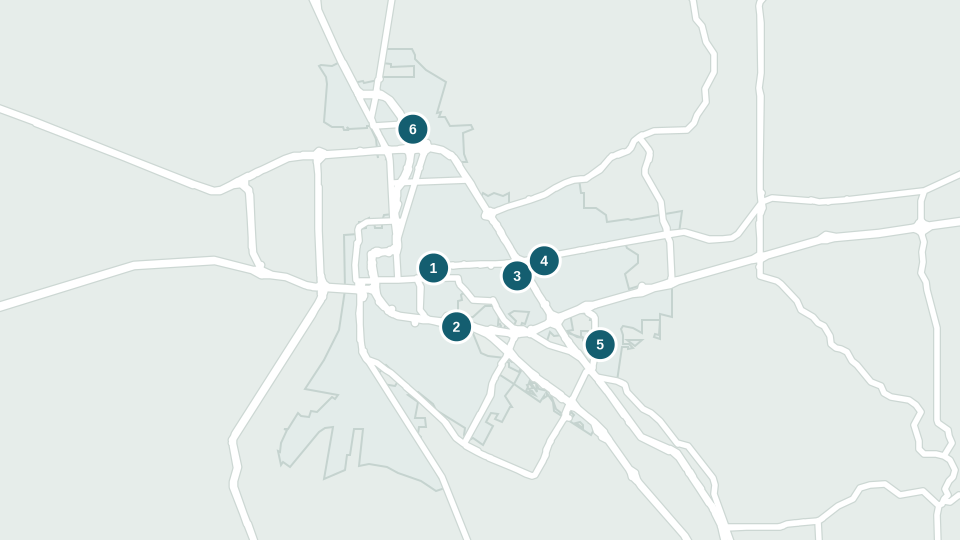
If you are looking for alcohol detox in Baton Rouge, you are likely trying to take the first step toward stopping your drinking safely. Medical detox is often the starting point, because it helps manage withdrawal symptoms. On your first day, you will typically go through an intake process where staff evaluate your health and drinking history.
Ask the program what its detox services include, how long the medical assessment takes, and whether you will have 24-hour monitoring during withdrawal. If you have health insurance, call to confirm whether it covers detox and what your out-of-pocket costs may be.

Detox is the process of stopping alcohol under medical supervision. It typically lasts 5 to 7 days. The goal is to manage withdrawal safely.
Residential treatment is a live-in program that comes after detox. You focus on counseling, relapse prevention, and daily structure. Outpatient care is flexible.
You attend therapy while keeping your job or family responsibilities. Your doctor or an assessment counselor can help you decide which level fits your needs.
Ask: 'Is a physical exam or lab work required before admission?' Some programs need recent blood work. Next ask: 'How do you handle severe withdrawal symptoms like seizures or delirium tremens?' You need to know if they can manage emergencies or if they would send you to a hospital. Also ask: 'Do you accept my insurance and what is the out-of-pocket cost?' Get a clear estimate before you arrive.
Paying for alcohol detox in Louisiana commonly involves private health insurance plans accepted at many facilities; it is essential to verify your specific coverage and network participation directly with the provider. For those without private insurance, public options such as Medicaid may offer coverage, but eligibility must be confirmed through the Louisiana Medicaid program or a facility's admissions office. Many detox centers also provide sliding-scale fees based on income, and self-pay or payment plans are frequently available for those who choose to pay out of pocket.
Ask each program how they handle co-occurring mental health issues like depression or anxiety. Many people who drink heavily also have these conditions, and treating both at once improves the outcome. Look into the ratio of staff to clients.
More staff usually means more individual attention. Finally, consider the facility's rules about smoking, phone use, and visitors. These small things can affect your comfort and focus.
If you are looking for alcohol detox in Baton Rouge, you are likely trying to take the first step toward stopping your drinking safely.

If you or someone else has a seizure, stops breathing, or becomes unresponsive after drinking heavily or stopping suddenly, call 911 right now. Do not wait to see if it gets better. Severe withdrawal requires hospital care.
Even if you are unsure, it is better to go to the ER. They can check vital signs and give medication to prevent worse outcomes.
If you or someone else is in immediate danger, call 911 now.
4363 Convention Street, Baton Rouge, LA, 70806
Active
2414 Bunker Hill Drive, Suite 100, Baton Rouge, LA, 70808
Active
624 Connells Park Lane, Suite A, Baton Rouge, LA, 70806
Active
235 Cora Drive, Baton Rouge, LA, 70815
Active
11861 Coursey Boulevard, Baton Rouge, LA, 70816
Active
7855 Howell Boulevard, Suite 100, Baton Rouge, LA, 70807
Active
These lists use only what the 6 active facilities listed for Baton Rouge report to SAMHSA's FindTreatment.gov. No facility pays to be included or can ask to be moved. Reporting more options is not a measure of quality, outcomes or suitability for any person. A missing option means the facility did not report it to the source, not that it is not offered. Call the facility to confirm everything before relying on it.
How this list is made: each facility scores one point for each of these 5 levels of care (settings) it reports to SAMHSA's FindTreatment.gov (Residential (24-hour); Outpatient; Intensive outpatient; Partial hospitalization / day treatment; Hospital inpatient). A facility needs at least 3 to appear. Facilities are shown from the highest count to the lowest; facilities with the same count are in alphabetical order, which has no other meaning. Up to 10 are shown.
How this list is made: each facility scores one point for each of these 7 payment and cost-assistance options it reports to SAMHSA's FindTreatment.gov (Medicaid; Medicare; Private health insurance; Military insurance (TRICARE); Cash or self-payment; Sliding fee scale; Payment assistance). A facility needs at least 4 to appear. Facilities are shown from the highest count to the lowest; facilities with the same count are in alphabetical order, which has no other meaning. Up to 10 are shown.
How this list is made: each facility scores one point for each of these 4 medications used in treatment it reports to SAMHSA's FindTreatment.gov (Buprenorphine; Methadone; Naltrexone; Medication for alcohol use disorder). A facility needs at least 2 to appear. Facilities are shown from the highest count to the lowest; facilities with the same count are in alphabetical order, which has no other meaning. Up to 10 are shown.
How this list is made: each facility scores one point for each of these 12 age groups and client groups accepted it reports to SAMHSA's FindTreatment.gov (Adolescents; Young adults; Adults; Seniors; Pregnant or postpartum women; Adult women; Adult men; Veterans; Active duty military; Criminal justice clients; Clients who have experienced trauma; Co-occurring mental and substance use disorders). A facility needs at least 5 to appear. Facilities are shown from the highest count to the lowest; facilities with the same count are in alphabetical order, which has no other meaning. Up to 10 are shown.
Alcohol detox is the process of letting your body clear alcohol while you are medically supervised. The goal is to manage withdrawal symptoms safely. You will be checked by medical staff, and they may use medications to help you stay comfortable. The length of detox depends on how much you were drinking and your health. Call a program to ask about its medical detox services and what support is available around the clock.
Start by calling a few programs to ask if they offer medical detox for alcohol. Ask whether they provide 24-hour monitoring, what their admission process looks like, and if they accept your insurance or offer other payment options. It is also helpful to ask if they can help you move into ongoing treatment after detox. Make a list of questions before you call so you can compare your options.
Most medical detox programs last 5 to 7 days. Withdrawal symptoms usually peak in the first 72 hours. After detox, you will be ready to start a treatment program.
Most detox programs provide bedding and toiletries. You may need to bring comfortable clothes without drawstrings or hoods. Call ahead to check their specific list.
If you have physical withdrawal symptoms like shaking, nausea, or sweating when you stop drinking, you likely need detox first. Detox is medical care. Treatment addresses the reasons you drink.
Last updated