 Sentinel Alcohol Detox
45 North Canfield Niles Road, Youngstown, OH, 44515
Active
- Hospital inpatient
- Detox
- Medication-assisted treatment
- Medicaid
City
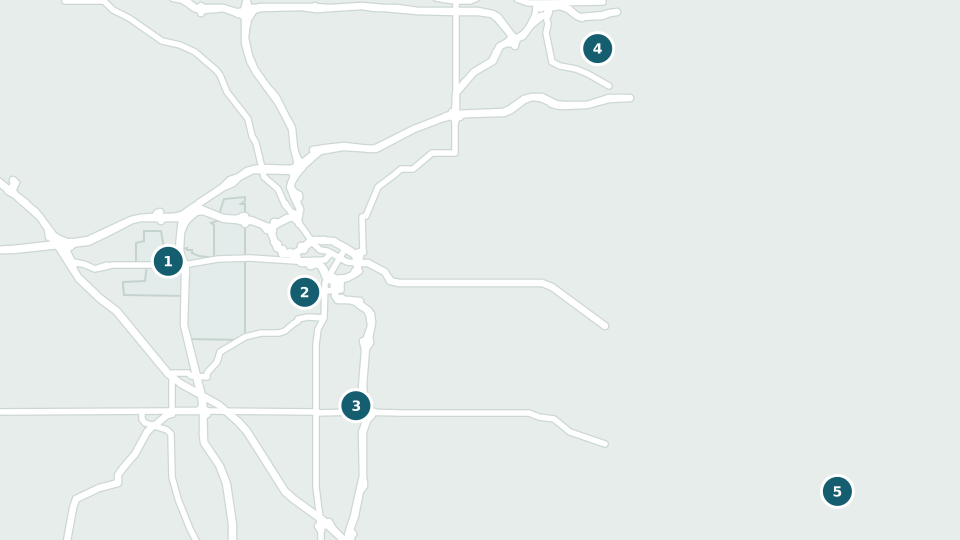
5 options near Austintown, OH, nearest first. Compare services and locations, then call to check availability.
This number connects to our central helpline, not directly to a listed facility.
You will speak with a real person who understands what you are going through.
The call is free and confidential, with no obligation to move forward.
You will leave the call knowing exactly what happens next.
If you are in or near Austintown and searching for alcohol detox right now, you are probably worried about your own drinking or someone else's, and you want to know what happens next. That worry is a normal place to start, and reaching out is the right move. If the person drinking is having seizures, hallucinations, confusion, or a racing heart, treat it as an emergency and call 911 or get to the nearest emergency room instead of waiting on an appointment.
Call (877) 712-7713
Think of the three levels as steps in a staircase. Detox is the medical step: it exists because quitting alcohol cold turkey can be dangerous, and a supervised setting means nurses or doctors can ease the worst symptoms and step in fast if your heart races, your blood pressure spikes, or you start to confuse. Residential care is the rebuilding step: after the detox part ends, you stay in the building, sleep there, eat there, and spend your days in therapy and group sessions with no access to alcohol.
Outpatient is the practice step: you return to your own bed each night and attend treatment during the day or evening. Choosing between them comes down to two honest questions. How much do you drink, and what happens to your body when you stop?
If stopping has ever made you sick, shaky, or scared, detox first. The second question is whether home helps or hurts your recovery. If home means easy access to alcohol or people who drink, residential gives you a clean runway.
If home is stable and you have someone who supports you, outpatient after detox may be enough.
Call (877) 712-7713Round-the-clock medical monitoring while your body clears alcohol safely.
You live on site for weeks, with therapy and structure every day.
Scheduled sessions while you keep living at home and working.
Ongoing support and check-ins that help sobriety last.
Ask about the things that determine your safety and your wallet. Does the program have medical supervision around the clock, or only during business hours? What withdrawal medications can they offer if symptoms get bad?
What is the total cost for someone with your insurance, and what does it cost if you pay yourself? Are there any fees that would come up later, like medication charges? What is the discharge plan, and will they help you find ongoing treatment or a support group when you leave?
If they cannot take you right away, where do they suggest you go instead? A program that answers these questions without dodging is showing you something real about how it runs.
Cost is often one of the first questions people have when considering alcohol detox in Ohio. Across the state, payment typically happens in a few ways: through private health insurance, which many residents obtain through an employer or the health insurance marketplace, and which frequently includes coverage for detox and related care depending on the specific plan. Ohio Medicaid is widely used as well, giving eligible low-income residents access to substance use treatment services at little or no cost.
Some treatment providers also use sliding-scale fees, where what you pay is based on your income, and direct self-payment remains an option for those who prefer or need to fund their own care.
Compare places near you with a short checklist instead of brochures. Ask whether a doctor or nurse will actually see you, since alcohol withdrawal can turn dangerous fast and you want medical eyes on you. Ask what a typical day looks like, because structure is part of the treatment.
Ask who leads the counseling and what kind of therapy they use. Ask about the rules on visitors and phone calls, so the stay does not blindsided you or your family. And ask what happens if you need more care than they provide, because a program that smoothly refers you elsewhere is more trustworthy than one that insists it fixes everything.
Practical fit matters too. If you do not drive, pick somewhere reachable by bus or a family ride, because a great program you cannot get to is not a real option for you.
If you are in or near Austintown and searching for alcohol detox right now, you are probably worried about your own drinking or someone else's, and you want to know what happens next.

Severe alcohol withdrawal is not something to tough out at home. Signs that mean you need emergency help now include seizures, seeing or hearing things that are not there, severe confusion, a pounding or racing heart, high fever, or shaking that you cannot control. These symptoms can appear six hours to a few days after the last drink, and they can get worse fast.
Call 911 immediately or go straight to the nearest emergency room. Turn the person on their side if they are vomiting, and never leave someone alone while they go through this. Even if you are unsure whether it is serious, call anyway, because the emergency call-taker would much rather hear from you too early than too late.
Hospitals can give medications that stop withdrawal from becoming dangerous.
If you or someone else is in immediate danger, call 911 now.
Call (877) 712-771345 North Canfield Niles Road, Youngstown, OH, 44515
Active
550 West Chalmers Avenue, Youngstown, OH, 44511
Active
930 Trailwood Drive, Youngstown, OH, 44512
Active
1980 Green Street, Farrell, PA, 16121
Active
1750 New Butler Road, Ridgewood Professional Centre, New Castle, PA, 16101
Active
These lists use only what the 5 active facilities listed for Austintown report to SAMHSA's FindTreatment.gov. No facility pays to be included or can ask to be moved. Reporting more options is not a measure of quality, outcomes or suitability for any person. A missing option means the facility did not report it to the source, not that it is not offered. Call the facility to confirm everything before relying on it.
How this list is made: each facility scores one point for each of these 5 levels of care (settings) it reports to SAMHSA's FindTreatment.gov (Residential (24-hour); Outpatient; Intensive outpatient; Partial hospitalization / day treatment; Hospital inpatient). A facility needs at least 3 to appear. Facilities are shown from the highest count to the lowest; facilities with the same count are in alphabetical order, which has no other meaning. Up to 10 are shown.
How this list is made: each facility scores one point for each of these 7 payment and cost-assistance options it reports to SAMHSA's FindTreatment.gov (Medicaid; Medicare; Private health insurance; Military insurance (TRICARE); Cash or self-payment; Sliding fee scale; Payment assistance). A facility needs at least 4 to appear. Facilities are shown from the highest count to the lowest; facilities with the same count are in alphabetical order, which has no other meaning. Up to 10 are shown.
How this list is made: each facility scores one point for each of these 4 medications used in treatment it reports to SAMHSA's FindTreatment.gov (Buprenorphine; Methadone; Naltrexone; Medication for alcohol use disorder). A facility needs at least 2 to appear. Facilities are shown from the highest count to the lowest; facilities with the same count are in alphabetical order, which has no other meaning. Up to 10 are shown.
How this list is made: each facility scores one point for each of these 12 age groups and client groups accepted it reports to SAMHSA's FindTreatment.gov (Adolescents; Young adults; Adults; Seniors; Pregnant or postpartum women; Adult women; Adult men; Veterans; Active duty military; Criminal justice clients; Clients who have experienced trauma; Co-occurring mental and substance use disorders). A facility needs at least 5 to appear. Facilities are shown from the highest count to the lowest; facilities with the same count are in alphabetical order, which has no other meaning. Up to 10 are shown.
If you or someone nearby is having seizures, hallucinations, confusion, or a racing heart, alcohol withdrawal has become an emergency. Call 911 or get to an emergency room right away. Otherwise, calling a treatment facility or a helpline is the fastest first step.
In most cases you can call a facility directly and ask about intake. In an emergency, call 911 or go to the nearest emergency room first.
Quitting cold turkey without supervision can be risky, and in some cases dangerous, depending on how much and how long you have been drinking. Heavy daily drinkers can have seizures, hallucinations, or dangerous blood pressure and heart rate changes. A supervised detox means there are staff watching for exactly those problems and medications to prevent them. Talk to a doctor or a detox program before you stop on your own, and be honest about how much you drink.
It is normal to feel afraid of stopping, partly because drinking has become how you handle stress, fear, and sleep. That fear shrinks once you learn what will actually happen: you are monitored, you can be given medicine for anxiety and shaking, and no one is going to leave you to suffer in a locked room. Fear alone is not a reason to keep drinking. The braver move is one phone call, made today, to a program that can walk you through the rest.
No. The three main ways are a doctor's office, a hospital, or a dedicated detox or treatment facility. If you do not have a regular doctor, calling a detox program directly is the fastest route, because they do assessments by phone and can tell you the same day whether you should come in. Whichever door you choose, say plainly that you think you need help with alcohol, because staff cannot help with what they do not know.
Last updated