 Sentinel Alcohol Detox
1417 Brace Road, Suite C, Cherry Hill, NJ, 08034
Active
- Residential
- Detox
- Medication-assisted treatment
- Private insurance
City
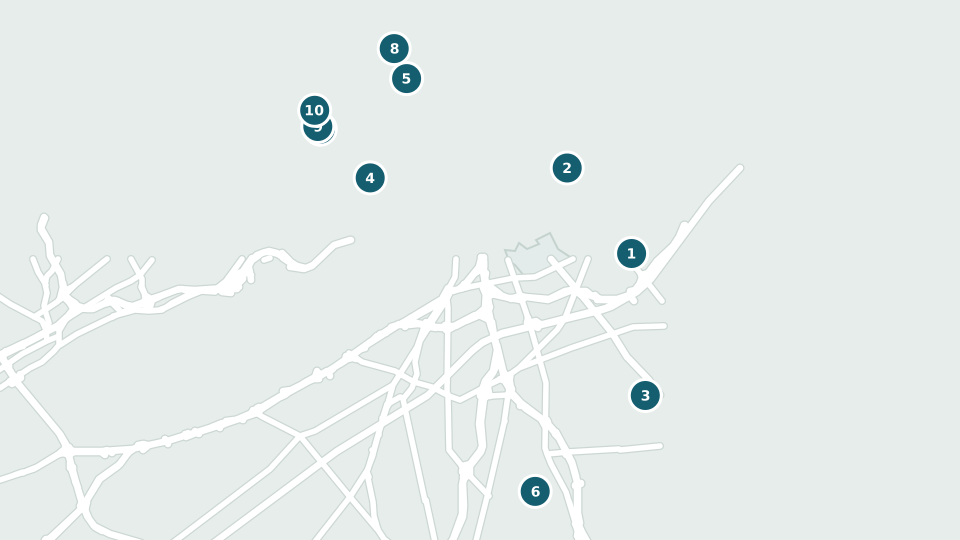
10 options near Audubon, NJ, nearest first. Compare services and locations, then call to check availability.
Call (877) 712-7713Free · ConfidentialThis number connects to our central helpline, not directly to a listed facility.
You will speak with a real person who understands what you are going through.
The call is free and confidential, with no obligation to move forward.
You will leave the call knowing exactly what happens next.
If you are in Audubon right now, worried about your own drinking or a family member's, you are in the right frame of mind to get help, and you do not have to figure it all out alone. Most people reach this point after a scare, a hard conversation, or simply one too many mornings of needing a drink to feel steady. That is a normal reason to look for detox, and acting on it is the right move.
The first day at a detox facility usually starts with a phone call or a walk-in. Staff ask about how much you drink, how often, how long it has been going on, and how you feel when you go without alcohol. They check your health, sometimes with a quick exam, and then they explain what happens next.
If a bed is open and the program fits your needs, you can often settle in the same day and let the staff take over the hard part, which is getting through the first days safely and as comfortably as medicine allows. Before that first day, one safety point matters more than anything else. Quitting alcohol cold turkey after heavy, regular drinking can be dangerous.
Seizures, hallucinations, confusion, or a racing heart are signs of a medical emergency, and in that situation you should call 911 or get to the nearest emergency room rather than wait for a detox program. Near Audubon, you are not far from care. Detox services for adults, including programs that use medication to make alcohol withdrawal safer and easier, operate close by in Cherry Hill, and other treatment centers sit within a short drive in towns like Stratford and Sewell, plus more options across the river in Philadelphia.
You do not need to pick the perfect place today. You need to make one call and let a professional guide the next step.
Call (877) 712-7713
Think of alcohol treatment as a set of steps, from most intensive to least, and you pick the step that matches how sick stopping will make you and how much structure your life needs. Detox sits at the top of the intensity ladder. It is short-term, medically supervised care, often three to seven days, where nurses and doctors watch your vital signs, ease symptoms with medication, and step in fast if withdrawal turns dangerous.
If you have been drinking every day for a long stretch, drink in the morning to steady your hands, or have ever had a seizure or the shakes when you stopped before, detox is the right entry point, and a doctor should make that call rather than you toughing it out at home. Residential rehab comes next. You move in for a stay of several weeks, get structured days of therapy and groups, and put distance between yourself and the routines and people tied to your drinking.
It suits you if home itself is a drinking trigger, or if you need round-the-clock support in early sobriety rather than a few hours a week. Outpatient is the least intensive step: you keep living at home and come in for scheduled sessions, sometimes daily at first, then less often. It works for people with milder dependence, a stable place to live, and real reasons to stay put, like a job or children in school.
The honest way to choose is to let a program's medical assessment decide: call, describe your drinking pattern honestly, and let them place you at the right step.
Call (877) 712-7713Round-the-clock medical monitoring while your body clears alcohol safely.
You live on site for weeks, with therapy and structure every day.
Scheduled sessions while you keep living at home and working.
Ongoing support and check-ins that help sobriety last.
A first phone call to a treatment program is easier when you have a list in front of you. Start with the basics: when could I actually start, and what does the intake process look like? Move to safety: will a physician be involved in my care, what happens if my withdrawal becomes severe, and is there nursing staff on site at all hours?
Then ask about comfort and treatment: do they use medication to manage withdrawal symptoms, and what does a typical day there look like? Cover money early rather than late: do they take my insurance, what will I owe, and is there a sliding scale or payment plan? Ask about the things that decide whether treatment sticks: do they assess for depression or anxiety, can they treat other health problems at the same time, and what arrangements do they make for ongoing care after the detox phase ends?
Ask whether you can involve a family member and whether visits or phone contact are allowed. Then ask them the honest question: is there anything about my situation that would make your program a poor fit, and if so, where would you send me instead? Programs that answer that last question well are the ones worth trusting.
Cost is a common concern for anyone seeking alcohol detox, and New Jersey offers several general routes to payment. Private insurance is frequently the first place people look, since many health plans provide at least partial coverage for detox services, but benefits differ between policies and it is important to understand exactly what a plan includes. NJ FamilyCare serves as the state's public coverage option for eligible residents and may offset treatment expenses, though acceptance varies by provider and eligibility must be confirmed individually.
For those facing financial constraints, sliding-scale fees tied to income are offered in various settings, lowering the overall price of care. Finally, self-pay remains a straightforward alternative, allowing individuals to fund their own treatment without relying on an insurer.
Reach our free, confidential helpline any time, day or night.
A short conversation helps match you with the right level of care.
If needed, withdrawal is managed safely under medical supervision.
You leave with a clear plan for ongoing treatment and support.
Use a short checklist to sort through nearby options, and be willing to call two or three before committing. Start with medical credentials: state licensing, a physician involved in care, and nursing staff on duty, because those determine whether withdrawal will be handled as the medical event it is. Then compare what they actually offer for comfort: medication to manage withdrawal symptoms, regular monitoring of blood pressure and heart rate, and a plan for emergencies.
Next, weigh access honestly: how soon can you be seen, do they accept your insurance, is there a sliding scale if you are paying yourself, and can you physically get there. Ask whether family can be involved if you want them to be, and whether the program screens for mental health conditions, since drinking rarely comes alone. Consider length and structure: some people need a short supervised stay and then outpatient follow-up; others do better with a longer residential stretch away from home triggers.
Ask what happens at discharge: a warm handoff to counseling, a support group, or ongoing medical care is worth more than a comfortable facility with no after-plan. Finally, notice how the first call feels. If the person on the line treats your questions as reasonable and your situation as treatable, that attitude will shape your whole experience there.
If you are in Audubon right now, worried about your own drinking or a family member's, you are in the right frame of mind to get help, and you do not have to figure it all out alone.

Some withdrawal symptoms are uncomfortable and some are emergencies, and the difference matters tonight. Heavy, long-term drinking changes how the nervous system works, and when alcohol stops suddenly, the rebound can cause seizures, hallucinations, severe confusion, a pounding racing heart, dangerous blood pressure spikes, or a dangerously high fever. If any of those appear, in yourself or in someone you love, call 911 immediately or get to the nearest emergency room.
Do not drive while symptomatic; let an ambulance come to you if there is any doubt. At the hospital, be completely honest about the drinking: how much per day, for how long, and when the last drink was. That honesty is not shameful, it is the information that keeps treatment safe, and emergency staff handle alcohol withdrawal constantly.
If the symptoms you are seeing are milder, such as shaky hands, sweating, anxiety, or trouble sleeping, that is still a reason to seek medically supervised detox rather than riding it out at home, because milder symptoms can escalate in the first two or three days. When in doubt, treat it as an emergency. Nobody is ever criticized for coming in when it turns out to be nothing.
If you or someone else is in immediate danger, call 911 now.
Call (877) 712-77131417 Brace Road, Suite C, Cherry Hill, NJ, 08034
Active
761 Cuthbert Boulevard, Cherry Hill, NJ, 08002
Active
18 East Laurel Road, Stratford, NJ, 08084
Active
1930 South Broad Street, 3rd Floor, Philadelphia, PA, 19145
Active
801 West Girard Avenue, Hawthorne Building, 4th Floor, Philadelphia, PA, 19122
Active
6 Collier Drive, Sewell, NJ, 08080
Active
3900 Woodland Avenue, Building 3, Philadelphia, PA, 19104
Active
136 West Diamond Street, Philadelphia, PA, 19122
Active
39th and Woodland Avenue, MHC, 7th Floor, Philadelphia, PA, 19104
Active
4040 Market Street, 2nd Floor, Suites 200 and 220, Philadelphia, PA, 19104
Active
These lists use only what the 10 active facilities listed for Audubon report to SAMHSA's FindTreatment.gov. No facility pays to be included or can ask to be moved. Reporting more options is not a measure of quality, outcomes or suitability for any person. A missing option means the facility did not report it to the source, not that it is not offered. Call the facility to confirm everything before relying on it.
How this list is made: each facility scores one point for each of these 5 levels of care (settings) it reports to SAMHSA's FindTreatment.gov (Residential (24-hour); Outpatient; Intensive outpatient; Partial hospitalization / day treatment; Hospital inpatient). A facility needs at least 3 to appear. Facilities are shown from the highest count to the lowest; facilities with the same count are in alphabetical order, which has no other meaning. Up to 10 are shown.
How this list is made: each facility scores one point for each of these 7 payment and cost-assistance options it reports to SAMHSA's FindTreatment.gov (Medicaid; Medicare; Private health insurance; Military insurance (TRICARE); Cash or self-payment; Sliding fee scale; Payment assistance). A facility needs at least 4 to appear. Facilities are shown from the highest count to the lowest; facilities with the same count are in alphabetical order, which has no other meaning. Up to 10 are shown.
How this list is made: each facility scores one point for each of these 4 medications used in treatment it reports to SAMHSA's FindTreatment.gov (Buprenorphine; Methadone; Naltrexone; Medication for alcohol use disorder). A facility needs at least 2 to appear. Facilities are shown from the highest count to the lowest; facilities with the same count are in alphabetical order, which has no other meaning. Up to 10 are shown.
How this list is made: each facility scores one point for each of these 12 age groups and client groups accepted it reports to SAMHSA's FindTreatment.gov (Adolescents; Young adults; Adults; Seniors; Pregnant or postpartum women; Adult women; Adult men; Veterans; Active duty military; Criminal justice clients; Clients who have experienced trauma; Co-occurring mental and substance use disorders). A facility needs at least 5 to appear. Facilities are shown from the highest count to the lowest; facilities with the same count are in alphabetical order, which has no other meaning. Up to 10 are shown.
If you drink heavily or every day, stopping on your own can be risky, and detox exists to get you through withdrawal with medical support. If you ever have seizures, hallucinations, confusion, or a racing heart while drinking less or quitting, that is an emergency, so call 911 or get to an emergency room right away.
Pick up the phone and call a detox facility near you, tell them honestly how much and how often the drinking happens, and ask what to do next. Staff deal with these calls every day, and they can tell you quickly whether you should come in, go to an emergency room, or wait for a bed.
It depends on how much, how often, and for how long you have been drinking. Daily heavy drinking over months or years, morning drinking to steady your hands, or a history of withdrawal symptoms like shaking, sweating, or anxiety are all signs your body has become physically dependent, and quitting cold turkey without supervision can be genuinely dangerous. In that situation, medically supervised detox is the safe route. If your drinking is lighter or more sporadic, withdrawal may be mild or absent, but a quick medical assessment is still worth it before you commit to a plan.
Plan on several days, commonly three to seven, with the roughest stretch in the first two or three days. How long your stay actually runs depends on your drinking history, your health, and how quickly your symptoms come down to a safe level. Programs do not rush you out at an exact hour; medical staff decide when withdrawal has subsided enough for the next step. Before you go in, ask what the typical stay looks like and what kind of follow-up they arrange afterward, because detox is short and the weeks after it matter just as much.
Keep it simple: photo ID, insurance card if you have coverage, any prescription medications in their original bottles, and comfortable clothing for a several-day stay. Skip anything with alcohol in it, such as mouthwash, perfume, or certain cough syrups, and leave jewelry, cash, and electronics you would hate to lose at home. If you take a medication regularly, bring the actual bottles so the medical staff knows exactly what and how much, which lets them keep it going safely or adjust it around your treatment. When in doubt, call the program before you pack and ask directly what is and is not allowed.
Last updated